—and What It Reveals About Indie Filmmaking Today
This film wasn’t made for the world. Rather, it was made to process something real—something personal, painful and very close to home. And yet, it reached one.
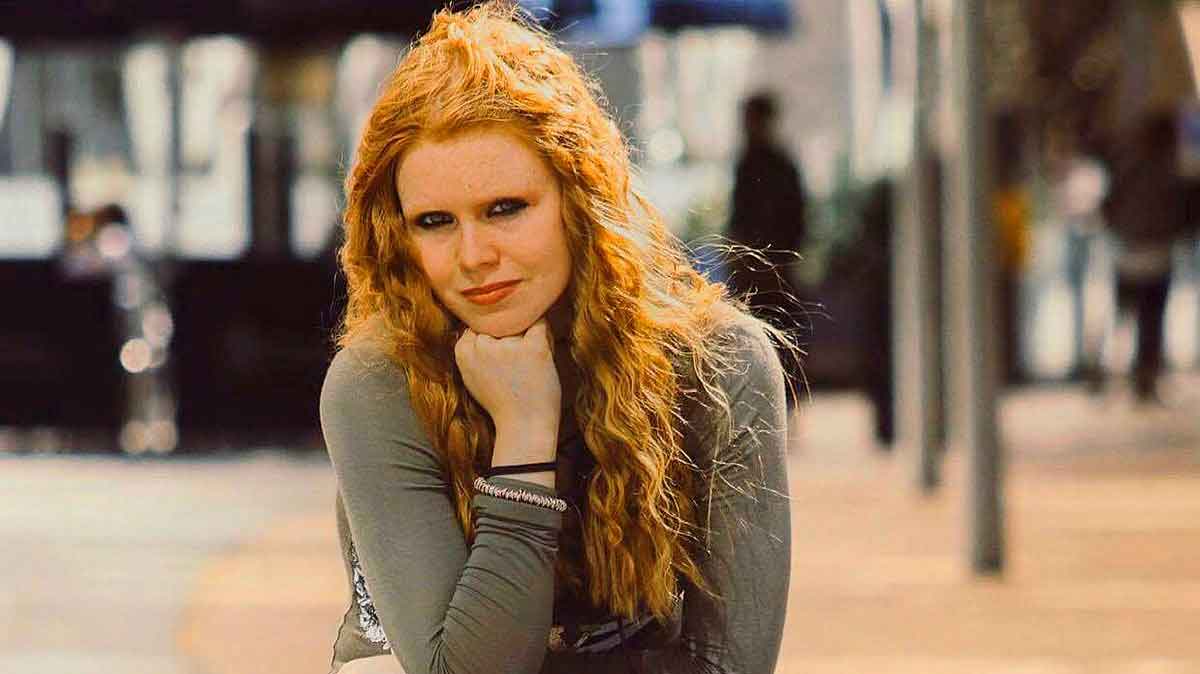
Behind Closed Doors is a short film by filmmaker Kaitlyn Lorraine Boxall. It didn’t begin as a strategy for visibility, I mean certainly not for the filmmaker. Kaitlyn didn’t set out with a “make it popular thing”. Instead, it began as a need to tell a story rooted in a lived experience. One that reflects a reality many people never see, but many silently endure.
The response that followed is a dream few independent filmmakers achieve. Kaitlyn Boxall’s 30 minute short movie became a deeply personal project that found a global audience and it is still in demand today.
This film wasn’t made for the world
Behind Closed Doors became an international success during the Covid-19 pandemic, due to the strong relevance it held to so many families. It circulated in newspapers and through new platforms. It was brought to online streaming platforms for audience around the globe through Mulat Media (Philippines) and IndieShorts (India) .
The film stars Vasile Marin, Holly Prentice and Directed by Kaitlyn Boxall
The Film
At its core, Behind Closed Doors explores the suffering of a wife and mother in a marriage to an abusive husband.. It reveals the psychological and emotional weight of domestic abuse. It’s the sufferings of a supportive wife and children, within the confines of a marriage. It is unpretentious, but deliberate.
Behind Closed Doors is set during the Covid-19 lockdown. A time when the isolation intensified the hidden struggles of people. The film captures a reality that became increasingly urgent across the world. But what gives the film its weight isn’t just its subject. It’s where it comes from.
It is a fragile, intimate period in the life of the filmmaker. And, If you’re like me, (and, I know you are) that is a tough step to take, it is painful really. The film has become a milestone in her transition from an unknown to an emerging and to a professional creative.
A Story That Comes From Real Life
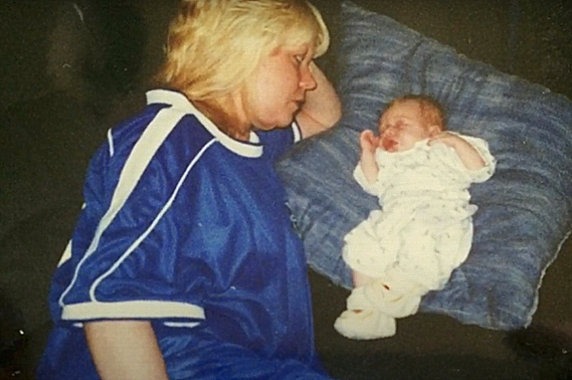
For Boxall, the idea comes from a very early period in her life. So, it took a lot of consideration on her part. “But, if I can release it?” She thought, “it should be presented as a real story, and not fiction.” This would make the story a great basis for a compelling screenplay.
So, this wasn’t going to be just another script. The story will draw directly from her mother’s experience, who is escaping domestic violence with her (Kaitlyn Boxall) as a newborn to rebuild life from a place of uncertainty.
That connection changes everything. It transforms the film from a narrative into something more. It is not just storytelling, but it is testimony. Developed alongside organizations supporting victims of abuse, the film project carries a purpose beyond the screen—one rooted in awareness, empathy, and truth.
Lights Out (2013) Short Film by David F. Sandberg
Building the Film Without a Safety Net
In the past decade, many iconic short films that went viral often leverage a group of common features. They have a high-concept, emotional storytelling and intense suspense. An example of such success is Lights Out (above). These features help to achieve a massive online viewership. They demonstrate the power of short-form storytelling to reach millions, frequently bypassing traditional distribution to become internet sensations.
So, like many of previous independent filmmakers, Boxall didn’t have the luxury of scale. Any limitation became an advantage and also a constraint is a present in disguise—a new world of possibilities open up. “It is all about problem solving, and thinking on your feet,” David Lynch.
Boxall stepped into multiple roles of writer, director, producer and editor. This didn’t happen by design, but by a necessity. Although this level of involvement forced its own challenges, she had control. It gave something quite rare. A complete alignment between her vision and its execution. So, her every decision, for example, from casting to tone of film was intentional. There was no room for excess. Only clarity.
The Making of ‘Behind Closed Doors’
Constraints That Created Focus
The Behind Closed Doors production process itself reflected a similar reality of independent filmmaking. It was filled with very constrained resources, be it people, budget or locations. There were tight timelines and constant trade-offs between quality of shots versus acting performances. The film even completed under the pressure of an approaching global lockdown. All this weighed on careful financial planning and a reliance on a small, committed team.
“It’s not a matter of how well can you make a movie. It’s how well can you make it under the circumstances. Because there’s always circumstances. And you cannot use that as an excuse. You can’t put a title card at the head of the movie and say, “Well, we had really bad problems. The actor got sick and it rained this day and we had a hurricane. The cameras broke down.” You can’t do that. You simply have to show them the movie and it’s got to work. And there are no excuses.” George Lucas
“Nothing about the process was easy. But, that pressure did something important. It forced precision. When you don’t have everything, you focus on what matters most” Kaitlyn Boxall
Actor Interview – Holly Prentice
Interview by Deone Jackson | Behind Closed Doors
Performance as the Emotional Core
Early on, Boxall had determined that the core of the film will rest on the main character. That is why one of the defining strengths of Behind Closed Doors is in its performances. Boxall chose to cast the pair of experienced actors Holly Prentice and Vasile Marin. That is the reason casting wasn’t just a step in the process, it became a critical turning point.
Finding the right lead took time, but once secured, the emotional authenticity of the performances grounded the film in something believable and deeply human. There’s no overstatement. No exaggeration. Just tension, vulnerability and truth.
From Personal Project to Global Reach
After completion, Behind Closed Doors was released on YouTube. What followed was not guaranteed, but it was significant. It began to attract viewers from across multiple countries. It began to resonate with audiences beyond its point of origin in the UK. “I was genuinely surprised“, says Boxall.
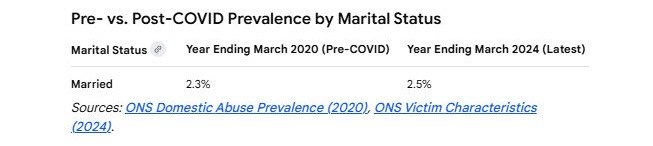
“Looking back, I would say it did go as big, as what it did, because everyone was stuck in during covid-19 and on the internet watching things. I think that’s why it got so big.” says Boxall. There was a rise in domestic violence during this period (see CSEW below). She continues, “I have had millions of comments throughout the years since it came out in 2021. Back then Behind Closed Doors hen it hit 600,320 views as of 15 January 2021″
That attention led to international viewership, and industry interest. A couple of conversations around distribution and continuation came in from Mulat Media (Philippines) and IndieShorts (India). Today Kaitlyn Boxall YouTube channel is successful because she gets about 4.1+M impressions for Behind Closed Doors, which his currently 644+k viewership strong. For a project that started as something deeply personal, the reach was unexpected, but revealing.
Why This Film Matters
Behind Closed Doors challenges a basic misconception in filmmaking. That the scale of a film determines its impact. Kaitlyn Boxall has proved that it doesn’t. What her film demonstrates is something far more relevant to today’s creative landscape. Firstly, we realize stories or narratives rooted in the truth travel further. Secondly, independent filmmaking proves resourcefulness can replace scale. Finally, that if a narrative can connect to an audience, that matters more than spectacle.
In an era where filmmakers have more tools than ever—but less clarity on how to break through—this project offers a different perspective: you don’t start by trying to reach everyone. you start by saying something real
Final Thought
Behind Closed Doors isn’t just a film that was made. Rather, it’s a film that proves something. It proves that even without massive resources, or even without institutional backing, a story grounded in truth can move beyond its origin and find its audience. Not because it was designed to go global, but because it had something real to say.
So, if you are a filmmaker or trying to be one, we start at the bottom. The only way to go, is up. So, if you’re curious, Behind Closed Doors waits on YouTube, for your eyes only (Lol). Boxall has done a marvelous work, and made both shorts into one movie.
Let us know your thoughts in the comments.
POPULAR