
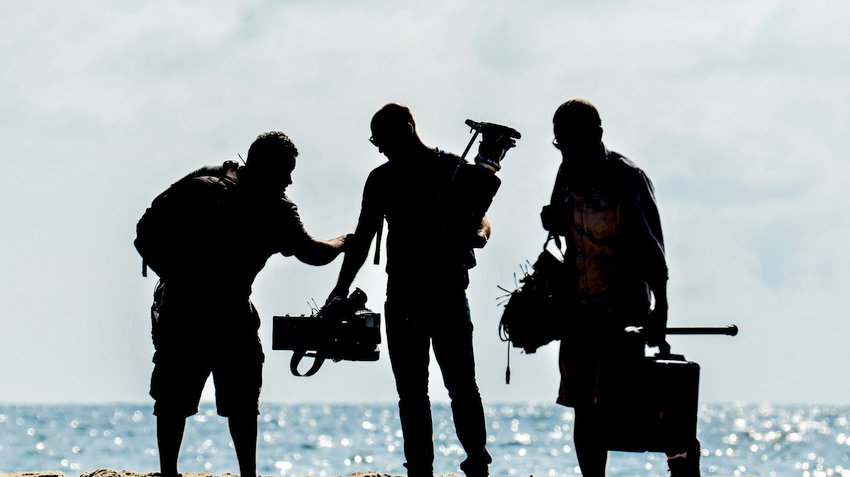
Taking your film production on the road can turn a simple story into an epic adventure. Shooting on location adds a realness and polish that a studio just can’t match. But it also brings a whole bunch of tricky logistics. From handling gear to keeping your crew happy and your budget in check, successful travel for production needs careful planning and a can-do attitude. This guide will walk you through the main things to think about to make your location shoot a big win.
Planning Your Location Shoots
The first thing you do for any production shot on location is find and lock down the perfect spots. This means more than just finding a pretty background. Good location scouting involves checking if a place actually works for filming. Think about things like how noisy it is, what the light looks like at different times of day, and if there’s power and restrooms nearby.
Start by looking online with tools like Google Earth and photo galleries to make a short list. But nothing beats seeing it in person. When you’re there, you can spot problems you wouldn’t see online, like difficult landlords or too many people walking by. For indie projects, figuring out a low-or no-budget location scouting strategy is important. This could mean using public parks, asking friends if you can film in their cool homes or businesses, or finding places that are film-friendly and offer discounts to independent filmmakers. Always get the right permits and permissions way ahead of time so you don’t have to stop filming on the day of the shoot.
Planning Your Location Shoots
A film crew travels with a ton of stuff. Cameras, lenses, lights, sound gear, tripods, monitors, and props all need to be moved, accounted for, and protected. The secret to handling all this is being organized. Before you even pack one case, make a full list of every single piece of equipment. A detailed spreadsheet will be your best friend here.
You can give specific kits to different crew members to share the responsibility. The Director of Photography might be in charge of the camera package, while the gaffer handles the lighting kit. Knowing about the different film crew positions will help you hand out these jobs well. Use tough, clearly labeled hard cases for moving everything. Color-coded tape can make it easy to quickly see what’s in each case. Don’t forget to plan for things you’ll use up, like batteries, gaffer tape, and memory cards. Running out of these essentials in a far-off place can stop your whole production cold.
Safe and Sound Storage Options
One of the trickiest parts of shooting on location that people often forget is what to do with their gear when they’re not actually filming. Leaving thousands of dollars of equipment in a van overnight is a huge risk, and hotel rooms might not be ready for early check-ins or late check-outs. This creates awkward times when your valuable gear is vulnerable. When your team is checking out a new neighborhood or has a few hours to kill before a flight, figuring out where to store luggage and bulky equipment cases can be a real headache.
This is where short-term storage really comes in handy. Services in big cities all over the world let you safely store equipment cases, personal bags, and other items for a few hours or a few days. Instead of lugging everything from a café to a park while you wait, your crew can drop the gear at a secure, insured spot. This not only keeps your equipment safe but also frees up your team to be more productive or just get some much-needed rest. It’s a simple, affordable way to cut down on stress and risk during those chaotic in-between moments of a traveling production.
Making Travel Less Stressful
Filmmaking is already a high-pressure job. Adding travel to it can push a crew to its breaking point if you don’t manage it right. A happy, well-rested crew is a productive and creative crew. The producer or production manager should make the team’s well-being a top priority. This starts with clear and constant talking. Make sure everyone has the schedule, call sheets, and contact info way ahead of time.
Book places to stay that are clean, safe, and pretty close to where you’ll be shooting most of the time to cut down on travel. On set, provide healthy snacks and lots of water. Most importantly, build in some downtime. A 12-hour shoot day followed by a 2-hour drive back to the hotel is a recipe for everyone to burn out. While the indie spirit often means pushing limits, you’ll get better performances both on and off screen if your team isn’t exhausted. Simple ways to handle managing travel stress, like encouraging breaks and being flexible, can really boost morale and the final quality of your film.
Budgeting for Travel Logistics
Travel can quickly become one of the biggest expenses in your film’s budget. It’s important to accurately account for all the costs so you don’t run out of money halfway through production. When you create a film budget, make a specific section for travel and be as detailed as possible.
Your travel budget should include:
- Transportation: Flights, train tickets, rental cars, and gas. Don’t forget to budget for getting the crew from the hotel to the set every day.
- Accommodation: Hotel rooms, Airbnb rentals, or other places to stay.
- Baggage Fees: Airlines can charge a lot for heavy or oversized equipment cases. Look up airline rules and budget accordingly.
- Per Diems: A daily allowance for cast and crew to cover food and small expenses.
- Insurance: You’ll need production insurance that covers equipment, liability, and possibly travel-specific problems.
- Contingency: Always add a backup fund (usually 10-15% of the total budget) to cover unexpected costs like a canceled flight or a broken piece of gear.

