Inside Light Bunny: Valerian Zamel on Crafting an Award-Winning Psychological Drama
A film festival Casestudy
Narrative | Dramatic Features
Film Name: Light Bunny.
Genre: Psychological Drama.
Length of film: 15 Minutes approx.
Date: January, 2025.
Director: Valerian Zamel.
Producer: Valerian Zamel & Chris Youngless.
Writer: Valerian Zamel.
Cinematographer: Steven Carter.
Editor: Valerian Zamel.
Production Company: ZAYDE FILMS.
Budget: $5,000.
Financing: Self Financed.
Shooting Format: Digital.
Screening Format: DCP.
World Premiere: HollyShorts 2025.
Awards.
– Best Drama Simi Film Festival.
– Best Drama Los Feliz Film Festival.
– Best Actress Membrana Film Festival.
– Best Actress Los Feliz Film Festival.
Website: https://www.lightbunnyfilm.com
The Official Trailer for Film
Watch The Trailer for LIGHT BUNNY directed by Valerian Zamel
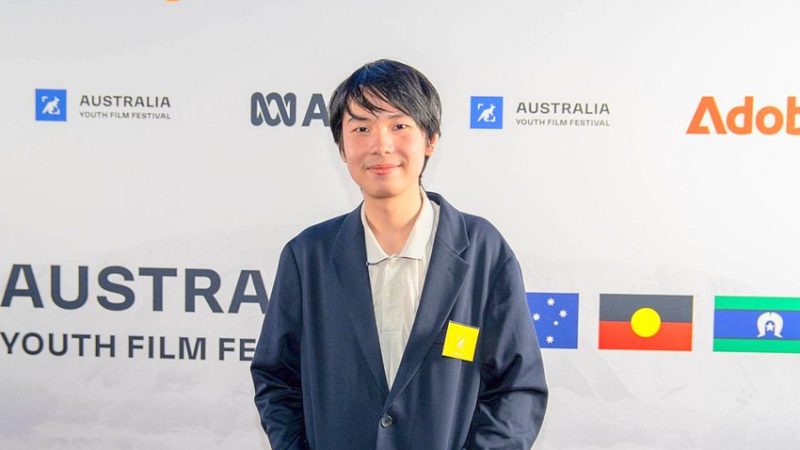
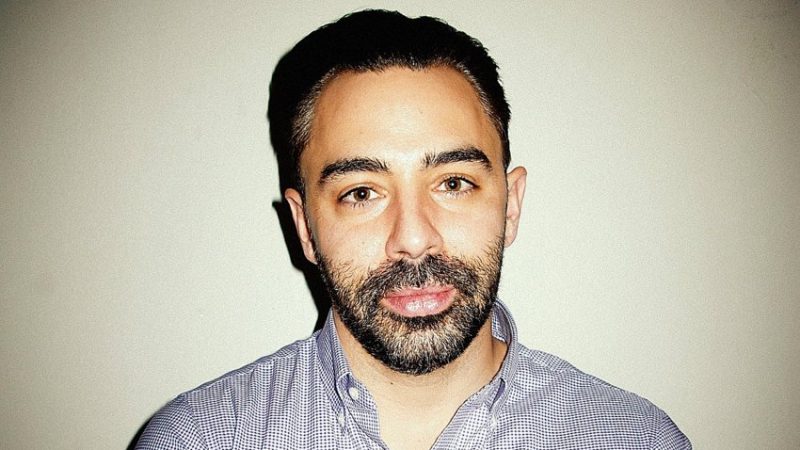
A Short Biography of Valerian Zamel
Valerian Zamel is a Writer, Director and Award-winning Editor. His work blends emotional intensity with striking, immersive visuals. Valerian’s short films have screened at SXSW, HollyShorts and Telluride Horror Show, Credo23 and San Diego Black Film Festival.
He leads editorial at Tim Miller’s Blur Studio on Emmy-winning Love, Death & Robots. For which he won an Annie Award for Best Editorial. He edited Curse of the Sin Eate. As well as branded content for Amazon, Netflix, Riot Games and Epic Games. Body and Blood marks his debut feature. A deeply personal, atmospheric horror film. It expands on the visual and sonic storytelling explored in Light Bunny.
With longtime collaborators in sound, music, cinematography, and cast returning. Valerian is building a world that’s as emotionally grounded as it is haunting. He believes horror is one of cinema’s most poetic forms. A space to explore emotional truths in their most extreme, honest expression.
The Valerian Zamel Interview
indieactivity: What is your film about?
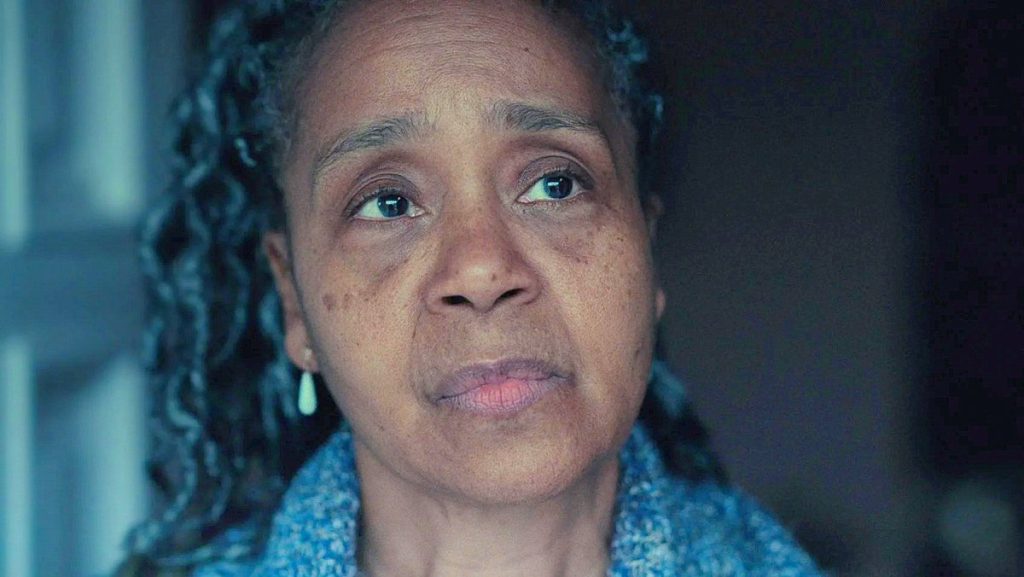
Valerian Zamel (VZ): Light Bunny is a psychological drama about a grieving mother. Sho receives a phone call from someone claiming to be her deceased son. What starts as an emotional reunion slowly becomes more unsettling. As she begins to question whether the voice on the other end is really him. A scam, or something else entirely.
The idea for the film came from two places in my life colliding. After losing someone close to me. I kept thinking about that feeling of wanting just one more conversation. One more chance to hear someone’s voice again. Around that same time, my mother was targeted by a phone scam. It hit me how easily grief and vulnerability can be weaponized by people looking to exploit others.
That intersection of grief and manipulation became the foundation for Light Bunny. I wanted to tell a story about grief. How grief can make the vulnerable do things we might otherwise know better than to do. At its core, the film is about the difficulty of letting go. The emotional danger of holding on too tightly.
Tell us about the festival run, marketing and sales?
Valerian Zamel (VZ): Light Bunny has had an incredibly rewarding festival run so far. It is screening at over twenty festivals nationally and internationally. The response has exceeded anything we expected when we made the film.
The film had its Los Angeles premiere at HollyShorts Film Festival. This is a major milestone for us. It has since gone on to screen at festivals including the Pan African Film Festival. Santa Fe International Film Festival and festivals across the US and Europe. It’s been incredibly gratifying to watch the film resonate with audiences in such different places.
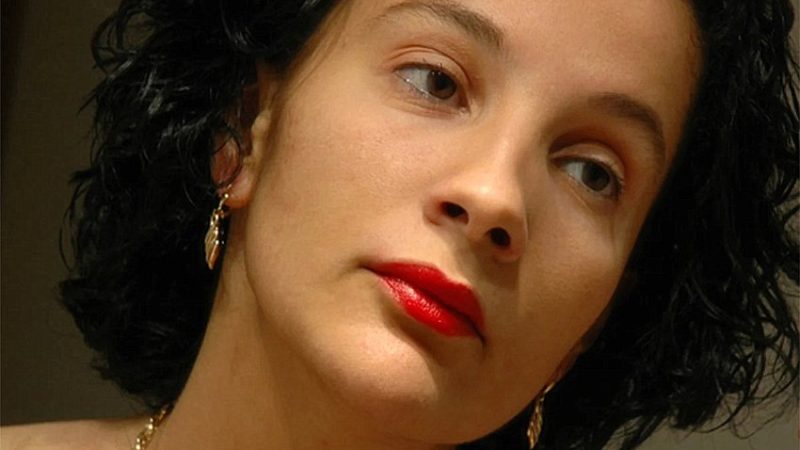
The film has also been fortunate to receive several honors throughout its run. Including Best Drama awards at SIMI Film Fest and Los Feliz Film Festival. With our amazing lead, Karole Foreman earning Best Performance awards. This is at Membrana Film Festival in England and Los Feliz Film Festival for her lead performance.
More than the accolades, what has meant the most has been the audience response. Because the film deals with grief in such an intimate way. The conversations at screenings are deeply personal discussions of loss, healing, and the complicated ways people process grief. That kind of connection is ultimately what we hoped the film would create.
The festival run is still ongoing. We’re excited to continue sharing the film with new audiences as it continues its journey.
Give the full Official Synopsis for your film?
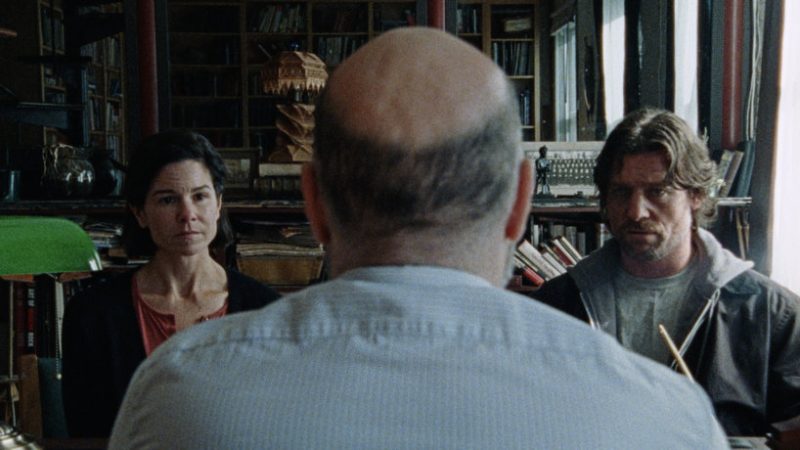
Valerian Zamel (VZ): Six months after the death of her son, Carmen remains trapped in grief. She is isolated by guilt and unable to move forward. One night, she receives a mystery call from a voice claiming to be her deceased son, Luke. speaking from an “in-between” place. Overwhelmed by the chance to hear his voice again, Carmen allows herself to believe this may be the impossible reunion she has longed for.
But as the conversation continues, the call takes a disturbing turn. The voice becomes increasingly desperate, asking Carmen for help to “move on” by providing something only she can give: her credit card information. As memories of Luke resurface, Carmen is forced to confront an impossible question, is this truly her son reaching out, or is someone exploiting her grief?
Caught between hope, denial, and suspicion, Carmen must decide whether to surrender to the illusion or finally face the pain of saying goodbye.
Development & Financing?
Valerian Zamel (VZ): Light Bunny was a story I wrote myself, born out of personal experience and developed over the course of many months through many drafts and constant iteration. My background as an editor has deeply shaped the way I write, so my process tends to be very revision-focused. I expect the first draft to be very rough, and I rely heavily on rewriting, restructuring, and refining until the emotional and narrative beats feel honest and precise.
Once the script reached a strong place on the page, we continued developing it through workshops with our cast, which helped find the emotional truth of the material and refine the performances before production.
The film was entirely self-financed. I chose to fund it independently because I wanted the freedom to make the film exactly as I envisioned it, while also challenging myself to grow as a producer and learn what it takes to bring a project from script to screen on my own terms.
From the outset, my goal was to prove that an intimate, low-budget film could still be visually ambitious and cinematic. I knew that with the right collaborators, particularly cinematographer Steven Carter and producer Chris Youngless, we could maximize every resource and create something that looked far beyond its budget. We approached every stage of production with that mindset, designing the film around what would give us the most impact with the resources available.
The film was shot over 2 days, and that production process became a real proving ground for me, not just as a writer and director, but as a producer learning how to balance creative ambition with practical limitations.
Production?
Valerian Zamel (VZ): Because of our budget, we knew from the start that the film had to be shot in two days, so every creative and logistical decision was built around that.
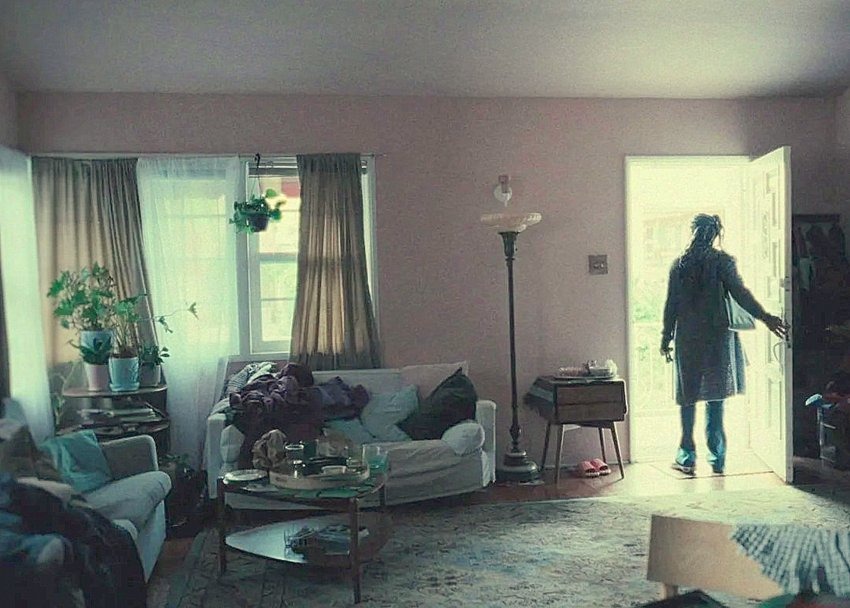
We designed the production around a single primary location, an apartment in Echo Park generously provided by my former high school English teacher, who has been a supporter and friend of mine since I was young. Having access to that space allowed us to focus our resources elsewhere and gave us a location that felt intimate and lived-in, which was important for the story.
Before production, I storyboarded the entire film shot by shot. Once the boards were complete, cinematographer Steven Carter and I went to the apartment location in advance and effectively “shot” the entire film with a stand-in, who happened to be my former high school English teacher. That process allowed us to pre-visualize every setup, determine lensing and camera placement ahead of time, and structure the shoot geographically so we could move room to room through the apartment in the most efficient way possible. On a two-day shoot, that level of preparation was essential and gave us the ability to spend our limited time executing rather than figuring things out on the day.
One of the biggest production debates centered around the fact that most of the film takes place at night. There was discussion about whether we should shoot day-for-night to save time and simplify production, but my cinematographer Steven Carter and I were committed to shooting practically at night. We felt strongly that the mood and realism of the film depended on being able to shape and work with real ambient night light rather than trying to manufacture that atmosphere artificially. It made production more demanding, but it was absolutely the right choice for the film, and Steve Carter gave it a look that is atmospheric, and intimate, and totally absorbing.
To help stretch the budget further, Steve operated with an extremely lean camera and lighting team, often handling much of the camera work himself alongside a minimal grip and gaffer setup.
In post-production, I edited the film myself, which gave me the time and flexibility to shape the cut until every beat felt as precise and emotionally effective as possible. While I primarily work in Premiere Pro, I chose to cut the film in DaVinci Resolve after using it on a feature film the previous year. That decision allowed for a much more fluid collaboration with our colorist through Resolve’s remote workflow, and the color process became a major asset in elevating the film’s final look.
Music and sound were also critical to the film’s emotional impact. I collaborated with composer Rob Cairns, whose work on Love, Death & Robots I deeply admire, and whose score became the emotional backbone of the piece. We also had the privilege of working with sound designer John Warrin of Esho Sound, whose credits include Anora and Strange Darling. Their contributions brought an enormous amount of depth and texture to the final film and its haunting soundscape.
Ultimately, the production was about making disciplined creative choices, surrounding myself with exceptional collaborators, and proving that with the right team and preparation, limited resources do not have to limit ambition.
Festival Preparation & Strategy?
Valerian Zamel (VZ): Our festival strategy was very intentional from the start. Rather than immediately spending a huge amount of money submitting everywhere, I wanted to be strategic about how we rolled the film out. Festival submissions add up quickly, especially for independent filmmakers, so we began by targeting smaller and more affordable festivals, often using early-bird deadlines to keep costs manageable.
That approach can come at the expense of preserving premiere status, but for this film, I felt it was more important to start building momentum and getting the film in front of audiences than to hold out indefinitely for a perfect premiere opportunity, which may or may not come.
At the same time, we did selectively submit to a few larger festivals to see if the film connects on that level, and we were fortunate to be accepted into HollyShorts, which became a major turning point for the film. That screening gave us confidence that the film could play at a high level and helped validate the strategy we had taken.
From there, we expanded our submissions to larger festivals and were fortunate to continue the run with selections at festivals including Santa Fe International Film Festival and Pan African Film Festival.
On the PR side, many of the larger festivals provide press lists and media support, which allowed us to directly reach out to journalists and outlets we felt might connect with the film. That outreach led to coverage in publications like The Eastsider LA and Pasatiempo during the run.
Overall, the strategy was to be thoughtful with resources, build momentum gradually, and let the film’s response dictate how aggressively we expanded the campaign. And of course, we also received our share of rejections, plenty of them, which is simply part of the festival process.
The Release?
Valerian Zamel (VZ): Light Bunny is currently still in its festival run, so we have not yet moved into a formal public release or distribution strategy. Right now our focus remains on continuing to share the film through festivals and building momentum with audiences as long as that run remains active.
Once the festival circuit concludes, we plan to evaluate the best release path for the film, whether that be online distribution, platform partnerships, or another release strategy that helps the film continue reaching audiences beyond the festival space.
Advice from the Filmmaker?
Valerian Zamel (VZ): The biggest lesson I learned from making Light Bunny is that preparation is everything, especially when resources are limited. Attention to detail is what allows you to build depth and layers into the work while still leaving room for the magic that happens on set. Preparation gives you room to dream on set.
I also learned again that limitations can become strengths if you embrace them instead of fighting them. Working with a small budget forced us to be intentional about every choice, and that discipline made the film better.
Beyond the practical lessons, Light Bunny reminded me how important it is to make work that is personal to you. This film is dedicated to my late friend, filmmaker Natalia Provatas, who co-wrote and co-directed one of my earliest short films with me many years ago. Seeing her name on screen every time the film plays has made the entire experience deeply meaningful. It’s a reminder that the work can and should matter to you personally.
Most importantly, filmmaking is completely collaborative. No matter how personal the vision, the film only becomes what it is because of the people around you. Surround yourself with collaborators you trust, people who elevate the work and challenge you to do better.
If I had to give one piece of advice to other filmmakers, it would be this: do not wait for perfect circumstances. Prepare obsessively, use the resources you have, and make work that matters to you. There is only one you, and in an industry this competitive, your greatest asset is the perspective only you can bring. Put yourself into the work and let people see what makes you, you. I’m incredibly proud of the work and the honesty I put into it, and that makes it all worth it.
Leave your comments below
Socials
Website
IMDb
Vimeo
MORE STORIES FOR YOU