“What happens when you visually reinterpret one of film’s most iconic scores?”
Some scores don’t only accompany films, they outlive them. In the global #EnterTheWorldOfHansZimmer contest, the symbiotic relationship of sound and image peaked in Shahrzad Mazloumsaki‘s video of “TIME.”
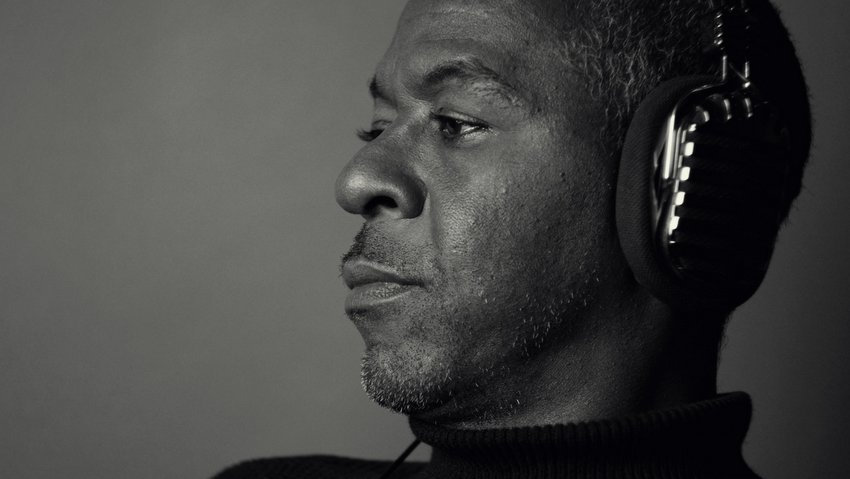
Rather than mimic the spectacle of Inception, Mazloumsaki creatively peers into our human soul. She captures the raw emotional response of individuals listening to “TIME” privately. Her video demonstrates the profound psychological effect of a score for film on a human being. Mazloumsaki transformed Zimmer’s TIME score visually into an intimate mirror of shared human vulnerability.
Few music pieces embody this more than “TIME,” a hauntingly minimalist score from Hans Zimmer. Built on repetition, tension, and emotional release, TIME is a most recognizable film score in current cinema. What happens then, when such a score deeply embedded in our collective consciousness is reinterpreted? Well, for Shahrzad Mazloumsaki, the answer lies in transformation and not imitation.
TIME Video: Her Burden of Hans’ Legacy
“Time” is not just music—it’s expectation.
Its structure is instantly recognizable. Its emotional arc is universally understood. Therefore, an attempt to re-visit the score carries with it a risk of comparison. So, for a masterwork like Hans Zimmer’s “TIME,” these defining qualities of the score for TIME creates an intimidating legacy for a debut filmmaker like Shahrzad Mazloumsaki to re-interpret visually.
Hans Zimmer’s Time-Orchestra Version | #EnterTheWorldOfHansZimmer Winner
To retouch it invites scrutiny. It is forcing a debut filmmaker to replicate the original visual cinematic magic or at best to transcend it. Mazloumsaki approaches TIME visually from a human connection angle—treating the piece not as something fixed, but as something open to interpretation.
The concept is presented as a music video, but one that’s probably never been done. It shows nine (9) people from five (5) different countries. They seat in a chair conversing to someone behind the camera. Firstly, it is shot in black and white. Secondly, the shots are framed “medium ” to “close-ups”. Lastly, the conversations are muted. So, you only hear the music, and watch the expressions made by the listeners. They get emotional while listening to TIME the Orchestra version. The audience watch the expressions of their emotions as gestures.
Interpreting, Not Replicating
What defines this re-interpretation is restraint. I had to stay with the score, and follow its effects on the mind of a person. Although, I have had the idea in my head for years, I needed the right moment and reason. I wanted to portray authentic emotions. Since, I work with actors, who are trained to “stage” emotions. I wanted raw emotions and the real tears people try to hide. I wanted people to smile or laugh, reflect and remember in response.
As soon as the song builds up, they are handed earphones to put on and listen. The people start to tear up, cry, some nod with the rhythm, others smile and are just lost in their thoughts. At the end, they take the headphones off, showing relief and laugh. Some remain in thought, processing the experience they just had. The video ends with a participant (Nina Karsten) in subjective camera.
So, it is not building toward the overwhelming crescendo that defines the original. This TIME version leans into showing nuance—subtle response to shifts in tone, texture, and pacing to create a different emotional experience. The familiar becomes unfamiliar. And in that shift, the listener is invited to engage with the piece in a new way—not as a memory of a film, but as a standalone expression.
A Different Emotional Language
Where Zimmer’s version carries a sense of inevitability—of time moving forward with unstoppable force—this video reinterpretation feels more introspective. There is space, in the peoples responses, and there is hesitation. The composition then feels like it breathes differently. And in doing so, it reflects how a score can transcend its original context, taking on new meaning depending on who engages it.
The Role of Reinterpretation in Modern Creativity
In today’s creative landscape, reinterpretation has become a powerful form of expression. It is a new genre. Artists are no longer confined to creating from nothing—they are also engaging in dialogue with existing works. This is especially true in film and music, where iconic pieces serve as both inspiration and foundation. Mazloumsaki’s work sits within this space: not replacing the original film, but responding to it privately.
Why It Matters
The visual reinterpretations like this highlight an important shift in creative culture: firstly originality is no longer just about new ideas, Secondly, it’s also about new perspectives on existing ones. In an era shaped by remixing, re-scoring, and re-framing, the question is no longer: “Has this been done before?” But: “What can I bring to it that hasn’t been felt before?”
Experience the Interpretation – Listen to the reinterpretation of “Time”
Final Thought
Some works are so iconic they seem untouchable. But creativity doesn’t stop at reverence. It evolves through re-interpretation. And sometimes, the most interesting ideas don’t come from creating something entirely new—
but from seeing something familiar differently.
Thanks for spending some time with us! P.S. Big thanks to indieactivity for the opportunity to share my experience with you!
POPULAR