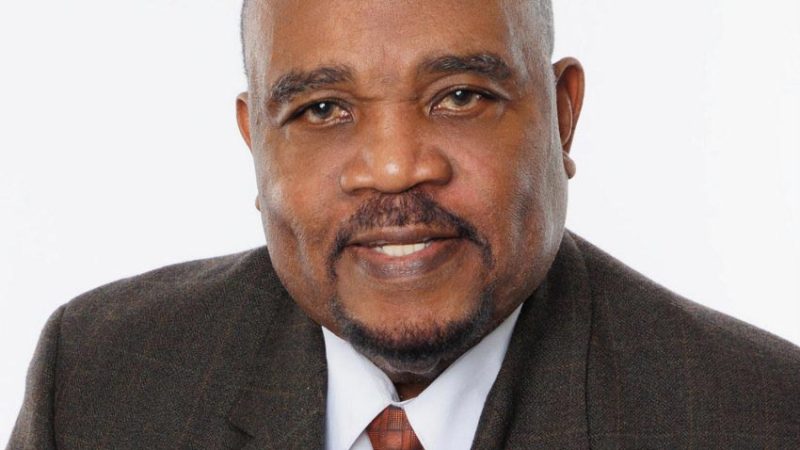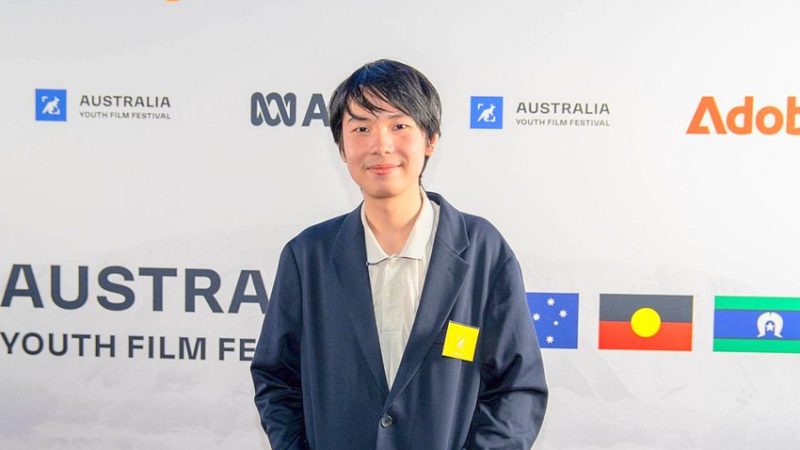
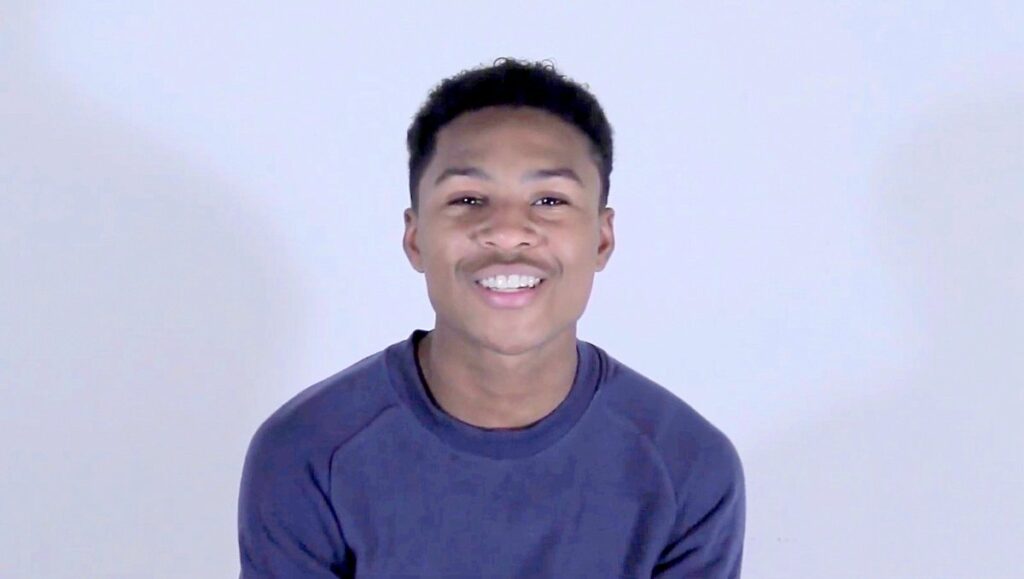
Dashaun Anderson is a creator, writer and producer focused on building elevated genre storytelling with long-term franchise potential. Through his banner, Among the Stars Entertainment. He develops original scripted projects that blend grounded character work with supernatural and psychological themes. His work emphasizes world-building, tone and narrative discipline. Positioning each project for both creative longevity and commercial scalability. With multiple projects currently in development and growing industry attention. Dashaun is committed to creating bold, cinematic series that resonate globally while maintaining a distinct creative voice.
indieactivity: How would you describe your work as a producer and agent?
Dashaun Anderson (DA): I approach my work as both a producer and an agent with a long-term, architect’s mindset. As a producer, my focus is on building worlds, not just projects—developing stories with depth, longevity, and a clear creative identity that can sustain multiple seasons or iterations. I’m hands-on at every stage, from concept and world-building through scripting and strategic positioning, ensuring that each project is creatively cohesive while also viable within the current marketplace.
As an agent, I operate as a bridge between creative vision and industry execution. I’m intentional about where and how projects are introduced, prioritizing alignment over volume. My role is to advocate for the material, protect the creator’s voice, and position the work in environments where it can grow responsibly. I’m less interested in quick placements and more focused on building partnerships that respect the story and support long-term creative growth.
Overall, my work sits at the intersection of storytelling and strategy—where strong creative ideas are matched with the right collaborators, platforms, and pathways to reach their full potential.
How did you get into producing/agent?
Dashaun Anderson (DA): My path into producing started early, when I enrolled in film school during high school. That environment was the first time I was exposed to storytelling as both an art form and a process. I became deeply fascinated not just with writing or directing, but with how ideas actually move from imagination to execution. Seeing projects come together—watching how structure, collaboration, and leadership shaped the final outcome—sparked something in me that never left.
The defining moment came when I realized I wasn’t satisfied simply contributing one piece to a project. I wanted to be involved from the ground up—shaping the vision, guiding the tone, and ensuring the story stayed intact from concept through completion. Producing felt like the role that allowed me to protect the heart of a story while also being responsible for its trajectory.
As I continued developing, that early passion evolved into purpose. I began to see producing as a form of authorship—where creative intuition meets discipline, strategy, and responsibility. What started in film school as curiosity became a commitment to building stories that are intentional, immersive, and designed to last. That mindset has stayed with me ever since and continues to define how I approach every project today.
What did you study, Producing?
Dashaun Anderson (DA): I studied film broadly, with a strong focus on storytelling, production fundamentals, and the creative process as a whole. While my early education introduced me to multiple disciplines—writing, directing, editing, and production—it was producing that ultimately resonated most with me.
That broader training proved invaluable. It gave me a holistic understanding of how each department functions and how decisions in one area impact the entire project. Over time, I naturally gravitated toward producing because it allowed me to synthesize those skills—balancing creative vision with structure, problem-solving, and long-term planning.
In many ways, my education laid the groundwork, but producing itself has been refined through hands-on development, project-building, and continuous learning. I approach producing as both a craft and a responsibility—one that requires adaptability, taste, and an understanding of the full lifecycle of a story.
How do you choose a project to produce?
Dashaun Anderson (DA): Choosing a project to produce always starts with the story, but it doesn’t end there. The first question I ask is whether the concept has a clear identity—something specific enough to stand on its own, yet expansive enough to sustain long-form storytelling. I look for material that feels intentional, not derivative, and that has an emotional core strong enough to carry the audience beyond surface-level intrigue.
I also consider longevity. I’m drawn to projects with a built-in engine—stories that can evolve, deepen, and surprise over time without losing their original purpose. That includes evaluating the world, the characters, and whether the mythology or premise can support growth rather than repetition.
Equally important is alignment. I consider whether the project matches my creative instincts, my values as a storyteller, and the type of partnerships it would require. Producing is a long-term commitment, so I’m selective about projects where I can fully stand behind the vision and contribute meaningfully from development through execution.
Ultimately, I choose projects where creative ambition and strategic viability intersect—where the story excites me creatively and makes sense within the larger landscape of the industry.
Describe a wrong impressions actors, writers and directors have about producing?
Dashaun Anderson (DA): One common misconception is that producing is primarily about logistics or financing, when in reality it’s deeply creative. Many actors, writers, and directors underestimate how involved producers are in shaping story, tone, and long-term vision. Producing isn’t just about getting a project made—it’s about guiding how and why it gets made.
Another misconception is that producers exist to dilute creative ideas. In practice, a strong producer’s role is to protect the core of a story while helping it survive real-world constraints. Good producers don’t remove ambition; they help refine it so the work can actually reach an audience intact.
There’s also a belief that producers are removed from the creative process once development is underway. In reality, producing requires constant engagement—balancing creative collaboration, problem-solving, and strategic decision-making at every stage. It’s a role rooted in accountability, not distance.
Really, producing is about stewardship. When done right, it’s less about control and more about responsibility—to the story, the collaborators, and the audience.
Do you often take courses to increase your craft?
Dashaun Anderson (DA): I’m very intentional about continuous growth, but I also believe timing matters. Right now, my focus has been on development, producing, and building projects from the ground up. As production ramps up, I plan to take director-focused courses later this year to further strengthen my craft on set and deepen my understanding of performance, blocking, and visual storytelling.
I view education as something that should directly support the work at hand. Rather than collecting credentials, I prioritize learning that complements where a project is in its lifecycle. When production begins, stepping into structured directing classes—under experienced instructors and studio environments—will be a natural extension of that process.
Essentially, I approach the craft as something that’s always evolving. Whether through formal coursework, collaboration with seasoned creatives, or hands-on production experience, I’m committed to sharpening my skills in ways that serve both the story and the team.
What books do you read?
Dashaun Anderson (DA): I’m drawn to books that explore mindset, discipline, and strategic thinking—areas that directly influence how I approach storytelling and leadership. The 48 Laws of Power by Robert Greene helped me better understand human behavior, influence, and the dynamics that exist in both creative and professional environments. The Law of Attraction shaped how I think about intention, focus, and aligning mindset with long-term goals.
Currently, I’m reading Winning the War in Your Mind by Craig Groeschel, which has been particularly impactful in reinforcing the importance of mental clarity, resilience, and self-discipline—qualities that are essential when navigating the pressures of creative development and production. These books collectively inform how I lead, create, and stay grounded while building projects over time.
How do you keep in shape as an producer/agent?
Dashaun Anderson (DA): For me, staying in shape as a producer is about maintaining balance—both mentally and physically. Producing requires sustained focus, clear judgment, and emotional regulation, so I’m intentional about routines that support long-term stamina rather than short bursts of energy.
Mentally, I prioritize structure. I keep my schedule organized, protect time for creative thinking, and make space to reset when needed. That discipline helps me stay sharp, make better decisions, and remain present through long development cycles.
Physically, I stay active in simple, consistent ways—movement, rest, and maintaining a routine that supports clarity rather than burnout. I’ve learned that producing isn’t about overextending yourself; it’s about being prepared to show up steady and focused every day.
Ultimately, staying in shape as a producer means protecting your energy. When your mind is clear and your body is supported, you’re better equipped to lead, collaborate, and carry projects forward with intention.
Why would you choose an actor, writer or director? what do you look for?
Dashaun Anderson (DA): When choosing an actor, writer, or director, the first thing I look for is alignment—creative alignment, tonal alignment, and emotional alignment with the material. Talent is essential, but understanding why a story matters and how to serve it is just as important.
With actors, I look beyond performance alone. I’m drawn to actors who bring emotional intelligence, discipline, and curiosity to a role—people who ask questions, understand subtext, and are willing to explore complexity rather than play the obvious notes. For example, I’m particularly interested in performers who can convey restraint and inner conflict, especially in genre work where subtlety often makes the difference between something memorable and something forgettable.
When evaluating writers, I look for clarity of voice and structure. A strong writer understands character motivation and consequence, not just plot. I’m drawn to writers who can balance ambition with discipline—those who know when to push boundaries and when to let the story breathe. Consistency and the ability to take thoughtful notes are also critical, especially in long-form storytelling.
With directors, I prioritize vision and communication. A director doesn’t need to be loud or flashy, but they need to be decisive and collaborative. I look for directors who understand tone, performance, and pacing—and who can lead a set with calm authority. The best directors I admire are those who elevate the material without overpowering it.
Carefully, I choose collaborators who respect the story, understand the responsibility of their role, and are invested in the long-term success of the project—not just their individual contribution.
When you are offered a project, what do you do?
Dashaun Anderson (DA): When I’m offered a project, the first thing I do is slow the process down. I take time to understand the material fully—its intent, its tone, and what the project is asking to become. I read or review everything carefully and assess whether the story has a clear identity and long-term potential, not just immediate appeal.
When I’m offered a project, the first thing I do is slow the process down. I take time to understand the material fully—its intent, its tone, and what the project is asking to become. I read or review everything carefully and assess whether the story has a clear identity and long-term potential, not just immediate appeal.
From there, I evaluate alignment. I ask whether the project matches my creative instincts, whether I can meaningfully contribute to its development, and whether the collaboration would be built on trust and shared vision. Producing is a long-term commitment, so I’m deliberate about choosing projects where expectations, roles, and goals are clearly defined.
I also look at practical considerations early—scope, development needs, and where the project realistically sits within the current marketplace. That doesn’t mean compromising the story, but it does mean understanding how to position it responsibly.
If everything aligns, I move forward with intention—clarifying next steps, development priorities, and communication. If it doesn’t, I’m comfortable passing respectfully. Protecting focus is just as important as pursuing opportunity.
What ‘thing/situation’ helps you during a production?
Dashaun Anderson (DA): Preparation is the single most important thing that helps me during a production. When the groundwork is solid—clear vision, defined roles, and strong communication—everything else becomes more manageable. I place a lot of value on planning because it allows the team to stay creative without chaos.
Really important is trust. Production moves fast, and having collaborators who understand the tone of the project and feel empowered to speak up makes a significant difference. I rely on open communication and calm problem-solving, especially when unexpected challenges arise.
On a personal level, staying grounded helps me lead effectively. Production can be intense, so maintaining perspective—remembering why the story matters—keeps decisions clear and energy focused. When preparation, trust, and composure are in place, a production has room to operate at its best.
explain a creative choice you took on set of a recent production
Dashaun Anderson (DA): One creative choice I’ve made recently came during early production planning and visual development rather than a traditional on-set moment. I made the decision to prioritize restraint over spectacle—allowing atmosphere, performance, and pacing to do more of the work than overt visual effects.
In practice, that meant designing scenes to hold longer on character reactions, limiting unnecessary coverage, and letting silence and negative space build tension. Instead of forcing moments to feel “big,” I focused on making them feel intimate and unsettling, trusting the audience to lean in.
That choice influenced everything from shot selection to performance direction and ultimately reinforced the tone of the project. It reminded me that strong creative decisions aren’t always about adding more—they’re often about knowing what to hold back so the story can breathe.
How do you advice actors to find project?
Dashaun Anderson (DA): I advise actors to be intentional rather than reactive when searching for projects. Instead of chasing everything available, it’s more important to understand the kinds of stories, roles, and collaborators that align with their strengths and long-term goals. The right project isn’t always the biggest one—it’s the one that allows them to grow, be seen accurately, and contribute meaningfully.
I also encourage actors to focus on material quality. Strong writing, clear tone, and thoughtful character development matter more than titles or perceived scale. A well-crafted independent project can often be more impactful than a larger one that doesn’t fully utilize the actor’s range.
Equally important is preparation and professionalism. Actors who consistently show up ready, curious, and collaborative tend to build stronger relationships over time. The industry is small, and reputation carries weight.
Overall, finding the right projects comes down to patience, self-awareness, and trust in the process. Careers are built through cumulative choices, not single moments—and actors who approach their path with intention tend to sustain longevity.
How can filmmakers finance their projects?
Dashaun Anderson (DA): Filmmakers can finance their projects through a combination of strategy, preparation, and relationship-building. The first step is having material that’s clearly defined—strong scripts, a compelling concept, and an understanding of the project’s scope. Financing rarely starts with money; it starts with clarity.
From there, filmmakers can explore multiple avenues. Traditional routes include private investors, production companies, and financing entities that support development or production in exchange for equity or participation. Grants, film funds, and international co-productions can also play an important role, particularly for projects with cultural or artistic value.
Another critical component is packaging. Attaching the right talent—whether that’s cast, producers, or creative partners—can significantly increase a project’s viability and unlock financing opportunities. Buyers and financiers invest in confidence as much as content.
In Reality, financing is about trust. Filmmakers who present themselves professionally, understand their budget, and communicate a clear vision are far more likely to secure support. It’s a process built on preparation, patience, and credibility—not shortcuts.
What do you want from a director during a production?
Dashaun Anderson (DA): What I want most from a director during production is clarity and presence. A director sets the tone for the entire set, so being decisive, prepared, and communicative goes a long way. When a director has a clear vision and can articulate it calmly, the crew and cast can work with confidence.
I also value collaboration. The best directors know when to lead and when to listen. Being open to ideas, adaptable to challenges, and respectful of everyone’s role creates an environment where creativity can thrive under pressure.
Justly important is consistency. Production can be unpredictable, and a director who maintains focus and composure helps keep the project on track. I look for directors who protect the story, support performances, and make choices that serve the material rather than ego.
Essentially, I want a director who understands the responsibility of the role—someone who can guide the project creatively while keeping the team unified and motivated through every stage of production.
How do you prefer to work with a director during a production?
Dashaun Anderson (DA): I prefer to work with a director as a true creative partner. That collaboration starts well before production, with open conversations about tone, character, and intention, so that once we’re on set, we’re aligned and moving in the same direction.
During production, I value clear communication and mutual respect. I aim to give directors the space to lead creatively while staying available as a sounding board and support system. When challenges arise—as they inevitably do—I believe in addressing them calmly and constructively, keeping the focus on what best serves the story.
I also appreciate directors who welcome dialogue and trust the process. Producing isn’t about interference; it’s about protecting the vision and helping it translate effectively under real-world conditions. When both roles are grounded in trust and shared purpose, the work becomes stronger and more cohesive.
Do you get offers from film industries? Bollywood or Nollywood?
Dashaun Anderson (DA): At this stage, my primary focus has been on developing projects within the U.S. market and building a strong foundation for long-form storytelling. That said, I’m very aware of the global nature of the film industry and the growing influence of international markets, including Bollywood and Nollywood.
While I haven’t formally engaged in projects within those industries yet, I’m open to international collaboration when there’s creative and cultural alignment. Storytelling is universal, and I believe strong narratives can translate across borders when approached with respect and intention.
As my work continues to expand, I’m interested in opportunities that allow for meaningful global partnerships—especially those that bring unique perspectives and voices into the conversation while maintaining the integrity of the story.
What do you think an actor can do to get into the film industry?
Dashaun Anderson (DA): I think the most important thing an actor can do to enter the film industry is focus on craft and consistency. Talent matters, but discipline and preparation are what sustain careers. Actors who invest time in training, understanding their strengths, and developing emotional range tend to stand out over time.
I also encourage actors to be proactive about the material they engage with. That can mean seeking out independent projects, short films, or original work that allows them to build experience and demonstrate range. Early opportunities aren’t always glamorous, but they’re often foundational.
Also important is professionalism. Showing up prepared, being collaborative, and respecting the process goes a long way. The industry is relationship-driven, and reputations are built quickly—both positively and negatively.
Finally, patience is key. Breaking into the industry isn’t usually about one moment; it’s about a series of intentional steps. Actors who stay focused, continue learning, and commit to the long game put themselves in the best position to grow and be noticed.
Who is your favorite producer/agent?
Dashaun Anderson (DA): One of the producers I deeply respect is Little Marvin, the creator of the television series Them. What stands out to me about his work is the clarity of his voice and his willingness to engage difficult subject matter without compromise. Them demonstrated how genre storytelling can be used as a vehicle for deeper social commentary while still maintaining tension, atmosphere, and narrative discipline.
I admire how he approaches storytelling with intention—building worlds that are unsettling, emotionally grounded, and thematically bold. His work reinforces my belief that genre television can be both provocative and culturally resonant when handled with care and conviction. As a creator and producer, that balance is something I strive toward in my own work.
Why is this producer/agent your favorite actor?
Dashaun Anderson (DA): What makes him my favorite is his ability to lead with vision while staying disciplined in execution. Little Marvin doesn’t chase trends—he builds worlds that feel deliberate, uncomfortable, and emotionally honest. His work shows a deep understanding of tone and theme, and he’s unafraid to let stories breathe in ways that challenge the audience.
I also respect how he uses genre as a framework rather than a crutch. In Them, horror isn’t just surface-level; it’s embedded into character, history, and environment. That approach reinforces the idea that genre storytelling can carry weight, meaning, and long-term impact when handled with intention.
As a producer and creator, he represents the kind of authorship I aspire to—where creative conviction, cultural relevance, and narrative control coexist. That balance is rare, and it’s something I continually study and strive to bring into my own work.
What advice would you give amateur actors around the world?
Dashaun Anderson (DA): My advice to amateur actors around the world is to commit to the craft before chasing the industry. Talent develops through consistency, study, and experience, not shortcuts. Invest time in training, understanding character, and learning how to tell a story truthfully, regardless of scale or location.
I also encourage actors to be patient with their progress. Every role, audition, and collaboration is part of a larger journey. Early work is about growth, not validation, and the lessons learned during that stage are often the ones that shape longevity.
Also important is professionalism. Show up prepared, respectful, and open to collaboration. The industry is global, but reputation travels quickly, and people remember how you work just as much as how you perform.
My final advice is to stay grounded in why you started. Passion, discipline, and resilience will carry you further than hype ever will. Actors who stay focused on the work itself tend to build careers that last.
Briefly write about your career?
Dashaun Anderson (DA): My career has been centered on development, world-building, and positioning original projects for long-term success. Through my company, Among the Stars Entertainment, I focus on creating and developing elevated genre-driven series that balance strong mythology with character-forward storytelling. Much of my work involves building projects from concept through pilot and series materials, collaborating closely with writers and creatives to shape tone, structure, and long-term vision.
Rather than volume, I’ve been intentional about development—ensuring that each project is creatively disciplined and strategically viable before moving forward. This approach has helped establish a clear creative identity and foster relationships rooted in trust and alignment.
Recent industry coverage, including a feature in Bloody Flicks, highlighted my work on Wards of the Dead, marking an important step in bringing my projects into the public conversation:
That visibility has reinforced my focus on responsible storytelling and thoughtful project positioning as my slate continues to grow. As my work gains momentum, the process of developing and advocating for original material has sharpened my voice as a producer and creator, underscoring the importance of patience, preparation, and creative integrity.
Additional updates and inquiries are handled through Among the Stars Entertainment, with further information becoming available as projects progress.
Let’s have your comments below or on Facebook, Instagram, or Twitter
Socials
Website
IMDb
Facebook
Twitter
Instagram
Vimeo
FILMMAKER INTERVIEWS