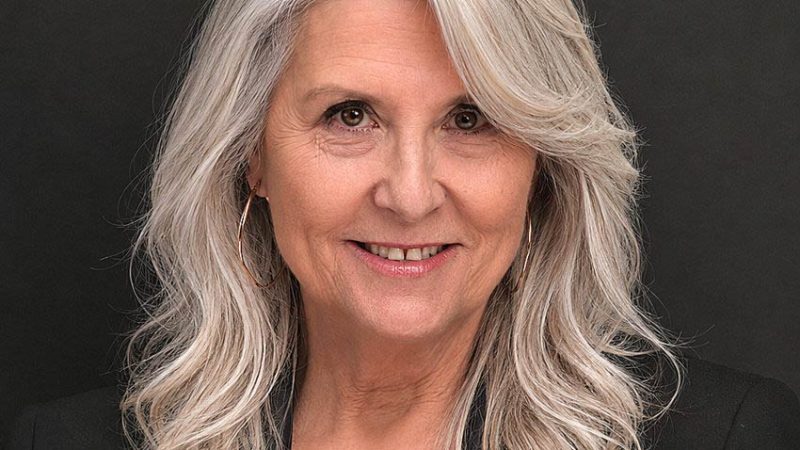
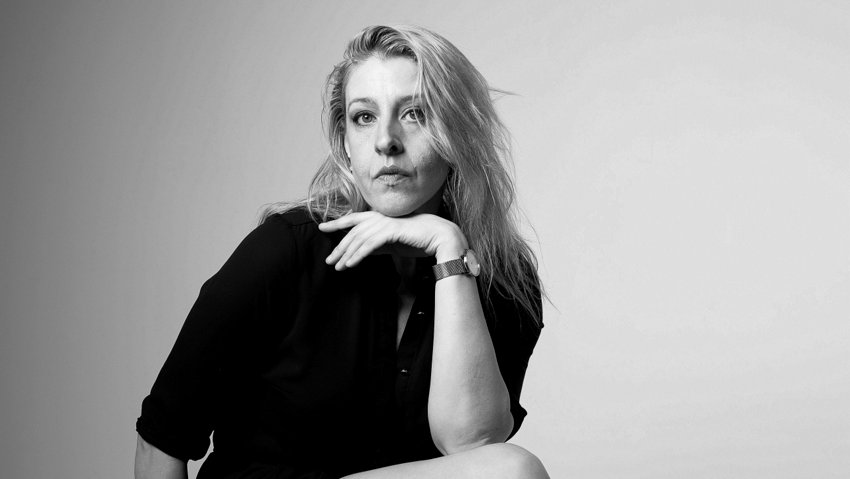
The independent film “Rhythm or Smooth” wrapped recently in New York. Breton Tyner-Bryan is the writer and director. She is an award-winning director, writer, actor, choreographer and editor known for visually driven, character-centered work.
“Rhythm or Smooth” stars newcomer Kiree Brooks. As an African American woman navigating the fiercely competitive world of ballroom dance. Portraying ‘Ava,’ she enters the high-stakes dance circuit. She partners with a prodigy champion secretly supporting his impoverished family as an escort. Their unlikely partnership forces them to confront ambition, and class. Also society’s rigid expectations as they fight to reach their full potential.
“Rhythm or Smooth” is a love letter to the artistry, discipline, and community of ballroom dance. Where the line between personal and professional stakes can be razor thin,” says Tyner-Bryan. “At its core, the film is about ego, appetite and class. With ambition as the ultimate currency New York runs on. The cost of pursuing excellence in a world where status and survival are constantly feeding off one another.”
indieactivity: How did you get into directing? How would you describe your style?
Breton Tyner-Bryan (BTB): came to directing through performing. I was in “dance and act” in TV shows and in films in San Francisco, NY and LA. So, I completely fell in love with the process of making film and TV. I loved the kinetic, collaborative energy on set. I had worked as a photographer for dance companies. And specialized in portraiture at that point for about a decade.
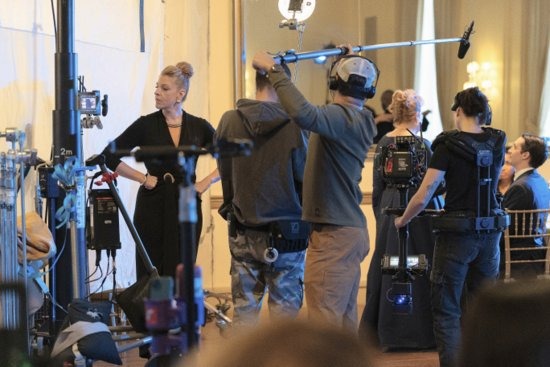
I grew up shooting on old Canon film cameras from a young age. In New York, I was end to end producing and performing in Breton Follies. A dance theatre cabaret show down on Houston Street. That eventually turned into a dance company and then a production company. I was responsible for everything from choreography to costumes, casting and set design. Including musical selection, direction, budget and all media and advertising. I started creating trailers and promotional materials out of necessity. This wad intended to sell tickets and keep the show running for a year.
I loved this process, and then people began asking me to make films with my dance company. That is really where it all started to shift. I have also worked across a lot of roles as a PA on numerous television sets. As a costume designer, stylist, set decorator, set builder, editor, and casting director. All of that feeds into directing, watching and learning in real time how these ecosystems communicate and collaborate together. My style takes its root in movement, rhythm, and performance.
I am drawn to moments that feel alive and suspended from reality, where something is unfolding just beneath the surface. I am always interested in how people feel the void. At the end of the day, the muscle of excellence in any given craft that it creates. My style is highly kinetic and cinematically driven, all color is time and emotion to me. I am wild and technical at the same time. Build the structure so everyone on your team can then fly beyond what you dreamed. Conformity is a dull ache, which I avoid.
Did you like to choose the cast yourself? If so, what criteria go into your casting?
Breton Tyner-Bryan (BTB): I am very close with a number of casting directors that I admire deeply as mentors and friends. I think what they do is incredibly nuanced, balancing and blending so many different energies and personalities into one cohesive world. I love that form of collaboration. In my own projects, I am completely hands on, but always open. When I am directing something I did not write, I stay flexible.
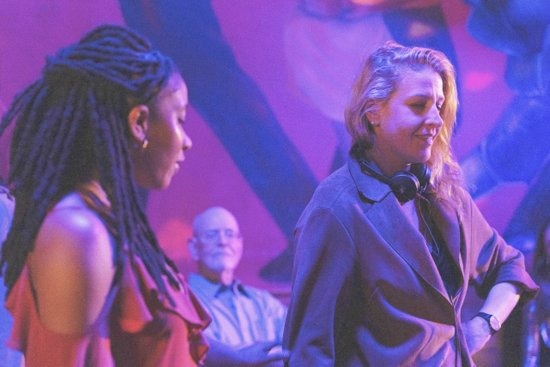
When I have written it, I often write with specific actors in mind. I love writing for people I know or who inspire me, and then watching them take the material and make it their own. The idea is for the actor to fly, the script is my gift to them, and in turn they take it to a higher plane. I am deeply grateful to the actors I work with, my work as a writer jumps off the page because of them. Tapes are a great tool that create accessibility and dialogue with people you might not easily connect with. That being said, the best moments are always in person.
Many of my leads have literally walked into my life at a festival, screening, or open call, and I love being in the room for chemistry reads, and I have cast people without asking them to audition because the alignment is so clearly there. That instinct is really the sweet spot for me.
What went into the casting process for Rhythm or Smooth?
Breton Tyner-Bryan (BTB): We saw a lot of tapes, and that response was overwhelming, beautiful, and reinforced the strength and concept of the script. It was a gift to me, and something I wanted to give back by finding space for as many actors as possible within the film. It is an ensemble cast, and all of the signature energies really make the film incredibly rich and nuanced. The film is about New York’s appetite, and nobody does that better than New York performers who have cut their teeth on the grit of this city. This place cuts you and forms you like no other city can.
That energy is inherently present in the film. I wrote it as an intergenerational tapestry, where everyone can see themselves, someone they were, someone they know, or someone they wish to be. There are a lot of roles for older actors in this film, and that was a delight, watching all of their tapes, as they were simply superb and hilarious, so generous, so fully embodied, nothing held back, and filled with the wisdom of living, when the best choice is to simply give into the joy. I love working with older actors, as you can tell, facilitating the best environment for them, and the trust we build together.
Without giving anything away, how did you come up with the idea and script?
Breton Tyner-Bryan (BTB): I love ballroom dance because I grew up in the ballet world, which is a completely different experience in restraint and elegance. I like that ballroom is selling, entertaining, seducing, and wants you to buy; it is inviting you in, without holding anything back. There is freedom in that expression, and I love how loud it is. New York is defined by its neighborhoods, from language to wardrobe, music, and food. I wanted to embody that feeling when you turn the corner and you know you are in a certain part of the city culturally and visually.
NYC inhabits so many worlds that think they are so different from one another, and in many ways they are, but they are all crammed onto the same island where the sun rises and sets. And the armor people use to define themselves socially here, the camp and stomp of it all, I find that entertaining, delicious, and sort of the point of being here, to see it all on display. When I write for television, film, or musicals, the characters start to talk back to me on the page immediately. They let me know who they are, how they feel, what their names are, where they have been, where they are trying to go, and what their motivations are. My hands are always trying to keep up with the characters’ thoughts on the pages.
Who is Rhythm or Smooth for? Who do you think would enjoy it the most?
Breton Tyner-Bryan (BTB): It is for everyone. It is an inter-generational cast, and it is meant for an intergenerational audience. So, it is aspirational at every level, and reflective, whether you are seeing yourself, who you once were, who you have become, or who you hope to be. It has the hope and possibility of a coming of age film, with the humor, wit, and age associated with surviving it all to live, flirt, dance, and seduce away another day.
How long did it take to shoot the entire film?
Breton Tyner-Bryan (BTB): 20 days. It was a years-long development process. And, I wrote three drafts in six months, so all of that feels like the time was needed to shoot the film. It is sort of like building a live show. It can turn quickly if you run the schedule like a live theatrical production. I am very aware of how long things take and how fast they can move from working in theater my whole life.
How long was the post production process?
Breton Tyner-Bryan (BTB): Post is a strategic process, because we have a bounty of exceptionally beautiful footage, fantastic performances, as well as improvisational takes to choose from. As a long life dancer, I am committed to honoring and celebrating the most technical dance sequences from some of our world champion dancers. We are spoiled with the best dancers in the world in the cast of this film, with numerous exceptional takes of dancing. The same thing can be said of our actors; we have a large volume of takes that just get better and better.
That is a lucky spot to be in through our post process. It is where you shape the film. Coming from a photography and dance background, I am very sensitive to rhythm, so it is about how long you hold something and when you let it go. The balance of appetite with humor and fun moments is the balance we needed to strike. Music supports the narrative structure and visual flow of the film completely. None of my films are truly alive until we add music.
Again, we are spoiled with an abundance of options thanks to the talent and experience level of our composer, who I have been lucky to collaborate with on a number of projects together. It carries a lot of the emotional weight, finishing and defining the tone of the film.
The film had talents working behind the scenes. Why is diversity key on the production?
Breton Tyner-Bryan (BTB): Diversity exists to enrich our existence, creating a more complete understanding of humanity. You need 360 degree thinking balanced with a linear structure of activation for ideas to really fly. Experience is diversity, and youth perspective is also diversity. What you want are the best ideas, the stamina, and the experience to execute them.
What are your goals with Rhythm or Smooth?
Breton Tyner-Bryan (BTB): I want people to laugh and go, I know that person, or eight versions of them. There are also very specific attributes about this film based on age, gender, and race that make it an important contribution to the zeitgeist, that dance is for everyone, and success is limitless for women. Dance is universal to culture, storytelling, and spirituality. It is not meant to live in a tower. It speaks all languages, across time.
I want dance to be seen as a mainstream vehicle for expression. It needs to be carried into the mainstream by people who understand how sacred it is, and how simple it can be to share it. Locking your art in a temple so you feel validated is the fastest way to kill it.
I want people to laugh and go, I know that person, or eight versions of them. There are also very specific attributes about this film based on age, gender, and race that make it an important contribution to the zeitgeist, that dance is for everyone, and success is limitless for women. Dance is universal to culture, storytelling, and spirituality. It is not meant to live in a tower. It speaks all languages, across time. I want dance to be seen as a mainstream vehicle for expression. It needs to be carried into the mainstream by people who understand how sacred it is, and how simple it can be to share it. Locking your art in a temple so you feel validated is the fastest way to kill it.
What is next for you? What are you working on right now?
Breton Tyner-Bryan (BTB): I am packaging a TV series I wrote with a really amazing group of talented artists on board; all together, they sort of feel like a cacophonous rock band. I love them. So, I am attached to direct a number of feature films going to production. I am also writing the book for a movie musical Broadway adaptation, and working on a book as well. There are two other musical projects tied to television series in the pipeline.
What would you recommend to a new director at the beginning of their journey?
Breton Tyner-Bryan (BTB): The best thing is to go do it and watch others do it. Be in it. See how it comes together. Direct scenes in your living room, direct plays in a church basement, consume art and notice who is making what you gravitate towards and why. Be humble and curious. Thank the people who take the time to teach you their craft. But always keep your vision. You are going to need it.
Who is your favorite director? Why?
Breton Tyner-Bryan (BTB): I love Baz, forever. Always. Almodovar, Fellini, Richard Linklater, John Hughes, John Waters, and of course Sofia Coppola, but there are so many. I like cinema with elegance, appetite, excess, and a strong point of view. Like dance, it can steal your heart in a second with a moment that says everything with very few words.
What advice would you give directors around the world?
Breton Tyner-Bryan (BTB): Make what you love. I think that is the currency that goes the highest. Listen to a few people who care about you, not the outcome of your career. There are very few of them. Most people are short sighted, even when they do not realize it.
Let’s have your comments below
Socials
IMDb
LinkedIn
X
Instagram
Vimeo
FILMMAKER INTERVIEWS
Actress Victoria Guthrie Demystifies Her Work
By Samantha Blackwell (Twitter)