There’s a rather popular narrative that cinemas are struggling because of the increased popularity in more convenient services that run online. Streaming platforms like Netflix are often pointed to, and sometimes, the rise in audiences for live-streamed productions is seen as an issue.
Hollywood productions are essentially in the same fight as all entertainment-facing products for our time. So, more convenient ways of enjoying a viewing experience would naturally be seen as the primary reasons for any decline. Maybe there’s more of a complementary relationship in play, and perhaps the problem lies elsewhere.
Engaging and Real-Time Entertainment
Live streaming has evolved tremendously as a medium for entertainment. Now, live streams are much more than a passive viewing experience. Just take the Betfair live casino, for example. Games such as Money Time Live or Super Stake Blackjack Live are available around the clock, hosted by a professional croupier. Players online get to bet and maybe win on the games in real time.
Those who secure significant wins may also get a callout from the host, but throughout, the action being shown is being played by hundreds of people at once. Of course, this is quite a niche and focused application of the technology for entertainment purposes, while elsewhere, the subject matter can be much broader.
Dedicated live streaming platforms like Twitch and YouTube, as well as other social sites, let anyone host their own live occasions that can be based around simple conversation or a different entertainment product. Some live stream and chat away while watching TV shows or films, and that may be to the benefit of those products.
As is written in this Deolitte media report, hosts of these live shows are generating interest and buzz around shows and movies, with some using their platform to promote cinematic releases when they enjoy the experience. While people are using their time to watch these streams live, some will then go out to the cinema to see hyped films.
Convenient New Films On-Demand
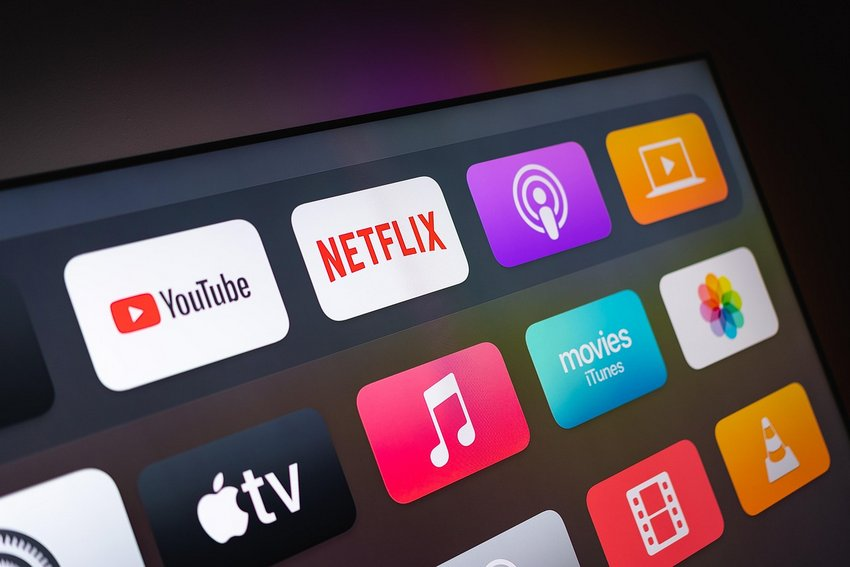
The convenience of the subscription model cannot be overstated. The model made popular by Netflix of wholly on-demand shows and films that don’t have adverts essentially removes the risk of paying to go to the cinema. Even if the film or show is poor, there isn’t a noticeable cost as the subscription just comes out in the background.
Being at home, it’s quick and easy to cut out, too. In fact, still being in comfort means that people are happier to scroll endlessly through the options for a long time before settling on what to watch. It’s certainly changed consumer behaviour, with the productions being at least good enough to fill the time.
However, perhaps it’s the seemingly doubled-down approach to creating a cinematic spectacle that’s hurt the majority of the biggest budget films going to the box office. After all, the films that last and end up surging through good word of mouth are the well-written ones and the ones that deliver on telling a compelling story.
While streaming services have increasingly opted for the “quantity over quality” path, particularly when it comes to their originals, Hollywood could have invested more time in writing. Make each major release a combination of powerful original storytelling and spectacle, and the masses will come. Instead, they overly rely on lazy retreads.
Hollywood’s cinematic slate certainly has more competitors today than it did 20 years ago, but it’s still just a fight to prove that your entertainment product is more worthy of someone’s time than another. To bounce back, the focus has to be on meaningful quality.
You can comment below or join us on Facebook, Instagram! or Twitter.
INDIE ACTIVITIES