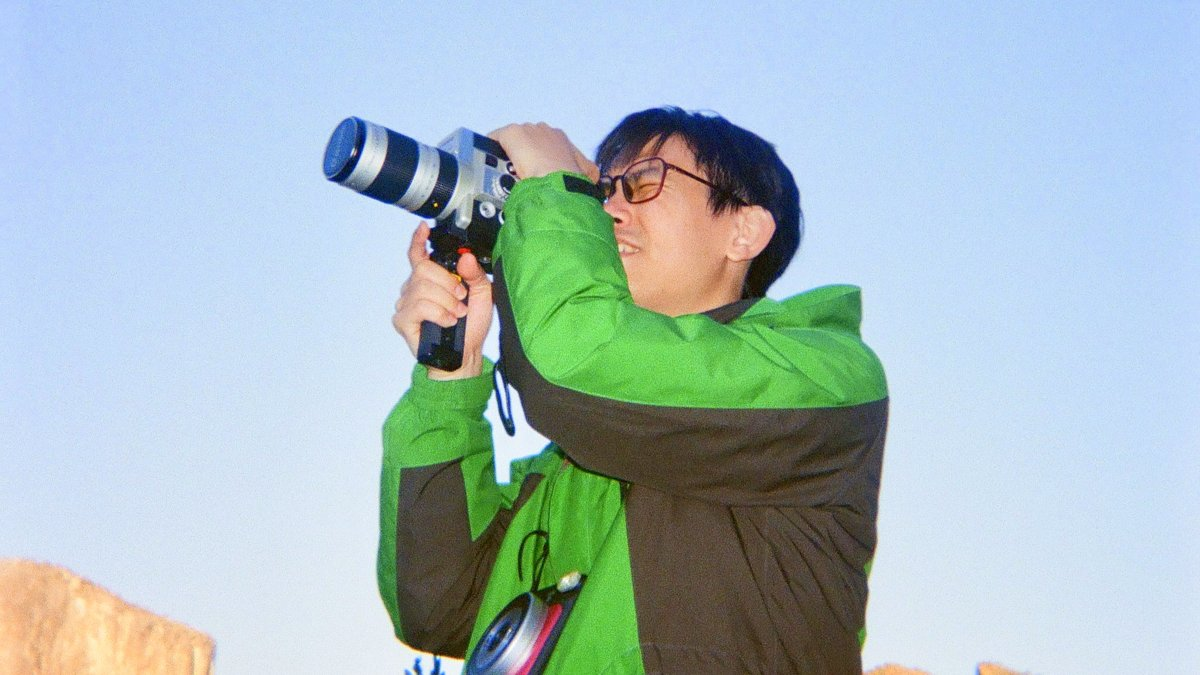
Hungyu Kuo is a Taiwanese film/theater producer, writer and director currently based in Burbank, California. His creative career began in theater with his original musical Overact. Premiering at the Kaohsiung Cultural Center in 2019. After being accepted to the New York Film Academy, Kuo moved to Burbank, California, in 2022.
There, he produced, wrote, and directed two short films, Resurrection and Turn, marking the start of his professional filmmaking career. In 2025, he finished his feature debut, Angels Near Death. A film that shows his love for bold, creative storytelling and his dedication to pushing the limits of modern cinema.
indieactivity: How did you get into directing? How would you describe your style?
Hungyu Kuo (HK): I got into directing because film has been the one constant in my life. It is the medium that shaped me, challenged me, and taught me who I am. Telling stories through film allows me to take the emotions and images that live in my head. And, turn them into something tangible that others can experience. I like to be involved from the earliest stages; writing, producing, and directing. So, the core intention of the story remains true throughout the entire process.
Angels Near Death Official Trailer
On set, my directing style is both purposeful and collaborative. I protect the moments in the script that are essential, give clear notes about rhythm and emotional direction. I trust my actors to bring their own instincts to the performance. I’m not interested in controlling every detail. I aim to create an environment where actors and crew can explore, and take risks. Let the film grow into something alive and unexpected.
You produced “Angels Near Death,” what were the challenges during development, financing or production?
Hungyu Kuo (HK): The biggest challenge was learning to believe in myself and keep moving forward despite every obstacle. Producing a feature film in Los Angeles is never easy. I had to navigate the legal and logistical complexities of starting an LLC, launching a crowdfunding campaign, securing SAG-AFTRA contracts, and building a dedicated team from scratch.
We shot the entire film in 10-days with one camera and a 20-person crew, and there were moments when the pressure felt overwhelming. During the hiring process, several producers and crew members openly questioned how I would pull it off. The truth is I didn’t have all the answers. I broke down more than once, but each time I wiped my face, stood back up, and kept going because filmmaking is what I love.
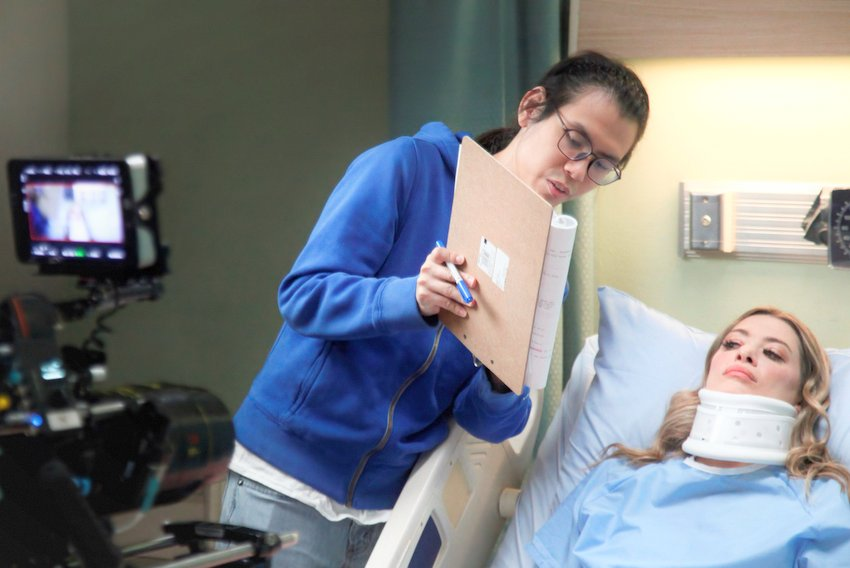
Looking back, I realize I succeeded because of two main factors. The first was my unwavering passion for cinema, which kept me focused even during uncertain times. The second was the steady support of my girlfriend, Cher who believed in me every step of the way, just as Ang Lee’s wife supported him at the start of his journey. This faith, along with the dedication of my cast and crew, helped turn this film from an impossible idea into a finished feature.
As a producer, how’d you balance your creative vision with constraints of budget, schedule and crew management?
Hungyu Kuo (HK): I have always believed that creative vision often becomes strongest when shaped by real constraints. With a budget of 150K there was no room for flexibility, which meant I had to plan every detail well in advance of stepping on set.
Most of our resources went toward the cast and crew, so I had to hustle across Los Angeles to find solutions that met both the artistic needs of the film and the production limits. Securing an ARRI Mini LF with Cooke Anamorphic lenses from Alternative Rentals for only 3K, reusing materials from previous projects, and relying on every relationship I had built through networking were key steps in making the film possible.
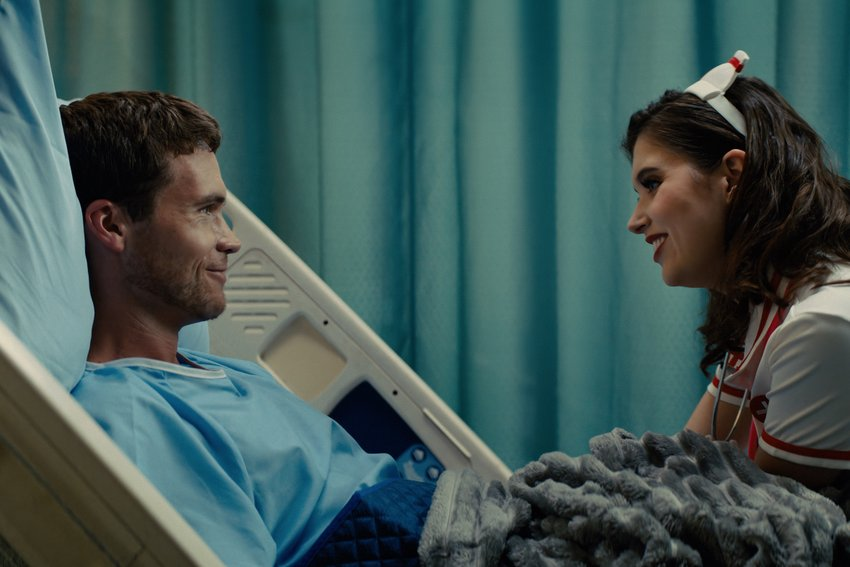
These constraints pushed the project in directions I hadn’t initially expected. Sometimes, it felt like the story was being re-shaped, torn apart, and rebuilt throughout production and post. But, I eventually realized that this evolution was part of the process. The limitations forced us to solve problems creatively, and those creative choices ultimately helped the film become something more unique than the version I first envisioned. In the end, balancing vision with budget involved more compromise and transformation.
Do you hire a casting director, or do you like to choose the cast yourself? If so, what criteria go into your casting?
Hungyu Kuo (HK): I handled the casting myself, with helpful guidance from Robert Ulrich, the casting director of The Boys, who generously offered suggestions even though we did not formally work together. My casting criteria are simple: I look for strong acting or a personality that genuinely fits the character. I also prefer meeting actors in person because a conversation often reveals more about whether they belong in the role than an audition alone.
What went into the casting process for “Angels Near Death”?
Hungyu Kuo (HK): For “Angels Near Death,” we started by posting our casting call on Breakdown Express. Although we initially planned to keep the film non-union because of our budget, we began receiving strong submissions from SAG-AFTRA actors. Their interest motivated us to bring the production under the SAG-AFTRA Ultra Low Budget Agreement, which improved the overall quality of our cast.
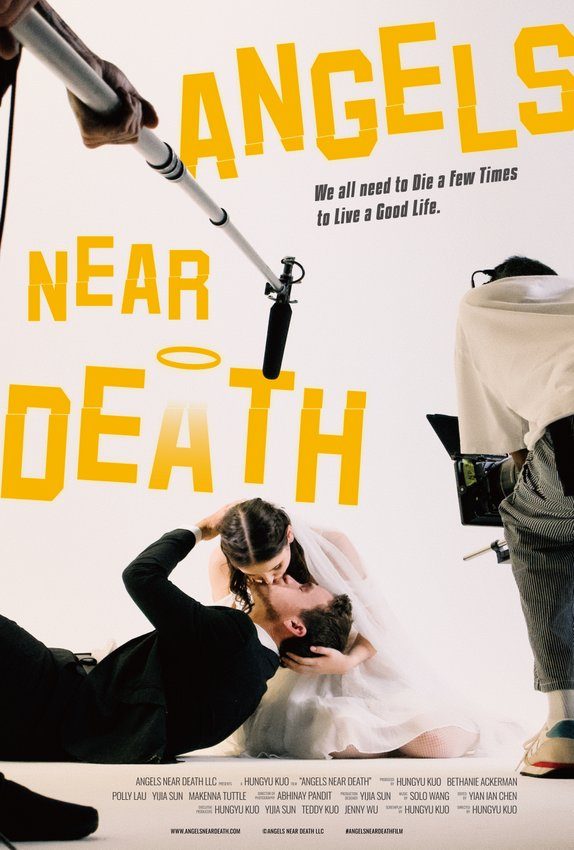
The process then included self-tapes, callbacks, in-person meetings, and a table read. We had hoped to hold a full live audition, but since we couldn’t secure a space, we instead focused on conversations and chemistry reads to select the actors who best embodied the characters.
Without giving anything away, tell us a little bit about the script. How did you come up with the idea?
Hungyu Kuo (HK): The idea came from my own uncertainty as a newcomer trying to make films in Hollywood. I started imagining who I might become, and those ideas turned into 6-characters. Oscar is a filmmaker stuck on low-budget sets, never getting the chance to tell his own story but still refusing to give up. Alice, once a fiction writer, has shifted to journalism and now believes reality is stranger than anything she could create.
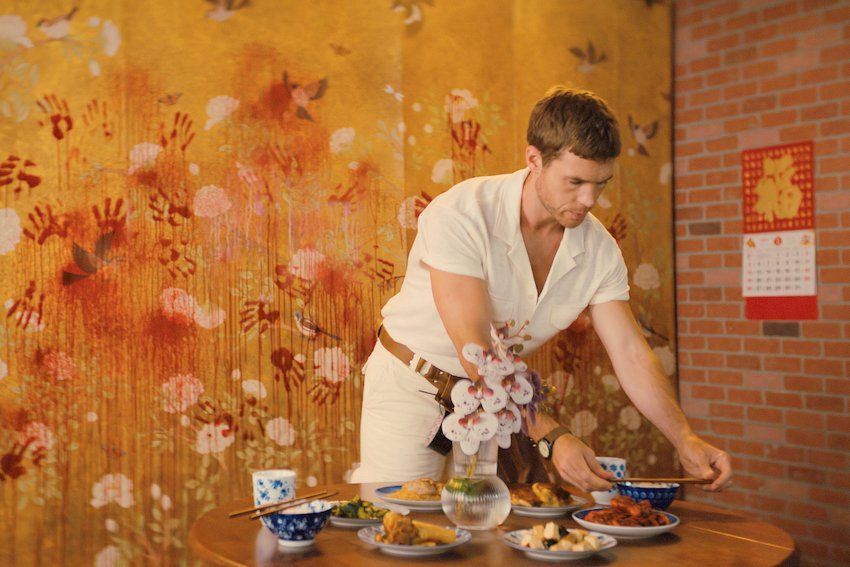
Victoria is an actress so immersed in her roles that the line between acting and reality blurs. Henry left filmmaking to become a nurse, trading artistic hope for practical impact. Art is a successful photographer who misuses his influence, and Cher is an ambitious young filmmaker fighting for her spot in the industry. I placed these 6 characters in Hollywood’s arena, where dreams, identity, and ambition collide, to see how they would evolve and what they might reveal about different parts of myself.
Who is “Angels Near Death” for? Who do you think would enjoy it the most?
Hungyu Kuo (HK): “Angels Near Death” appeals to viewers who love films that take risks. Cult film fans drawn to the strange and surreal, especially those who enjoy works like Mulholland Drive, will relate to its unconventional storytelling. Horror enthusiasts will find plenty to enjoy, as the film incorporates many genre elements and subtle homages to classics. It is also very much an arthouse film, so festival audiences and cinephiles who like exploring multiple layers of meaning are likely to be the first to embrace it.
More importantly, the film is for anyone who dreams of making movies or once did. Film students, young filmmakers, and people navigating creative uncertainty may see parts of themselves reflected in these characters. At its core, Angels Near Death is about ambition, doubt, and the fragile hope that keeps us moving forward. I made it for anyone who has ever struggled with that balance and for anyone who still believes in the magic of cinema, even when the path feels impossible.
How long did it take to shoot the entire film?
Hungyu Kuo (HK): We completed filming the entire movie in 10-days. It was a demanding schedule, but the cast and crew’s preparation, teamwork, and focus made it achievable.
How long was the post-production process?
Hungyu Kuo (HK): Post-production lasted about five months. We spent the first two months editing, then two months on color grading at Company 3, VFX at Pixstone Images, sound mixing at 24.96 Sound and Music, and composing with Solo Music Production. The final month at Deluxe focused on localization and deliverables.
The film had a lot of talent working behind the scenes as DPs, sound designers, composers, etc. Why is diversity important both in front of and behind the camera?
Hungyu Kuo (HK): Diversity is important because it brings a variety of life experiences and creative instincts into the process. Our team came from around the world, including China, India, and the United States, and our cast reflected diverse backgrounds, including African American, Asian, and other communities, as well as LGBTQ+ artists in key creative roles.
What mattered most was that everyone shared the same passion for telling this story. Those different perspectives strengthened every stage of the film and helped it become more authentic than any one person could create on their own. For me, collaboration is what matters most. When people with different histories come together with sincerity and respect, the work becomes richer and more deeply human.
What are your goals with “Angels Near Death”?
Hungyu Kuo (HK): I created “Angels Near Death” to fulfill a childhood dream and to close the first twenty-five years of my life in an honest way. In many ways, I have already achieved that personal goal. Now I hope the film can reach audiences and resonate with them the way certain films have resonated with me. Although it has not been released yet, we are starting with a market screening at the American Film Market and preparing for a festival run and a distribution plan for 2026. On a practical level, my goal is to secure a theatrical release followed by worldwide streaming. On a deeper level, I hope the film finds the people who need it and supports them on their own journey, just as cinema has always supported me on mine.
What’s next for you? What are you working on right now?
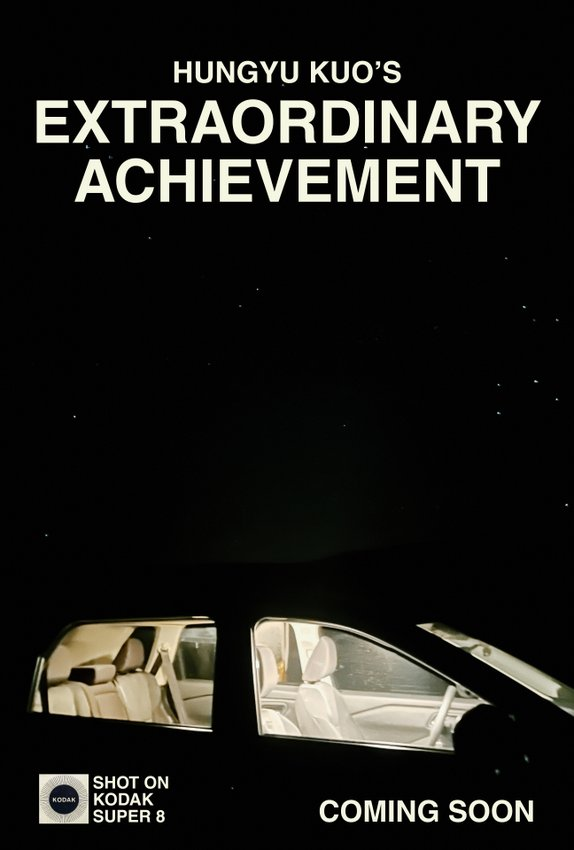
Hungyu Kuo (HK): I am currently focused on three main projects. The first is guiding Angels Near Death toward its release, including festival submissions, distribution planning, and industry outreach. Simultaneously, I am in post-production on my second feature, Extraordinary Achievement, which was filmed entirely on Super 8 and has been an exciting creative experiment. I am also developing a new narrative feature called The Indian, a story that explores identity, isolation, and the search for belonging. These projects mark the next steps in my growth as a filmmaker, and I am dedicated to bringing each of them to life with the same passion that fueled my debut.
What would you recommend to a new director at the beginning of his/ her journey? Any special courses, workshops, or helpful books they can read?
Hungyu Kuo (HK): I suggest that a new director hold onto the passion that initially drew them to filmmaking. If you don’t enjoy the process, then none of the effort is worth it. Having fun and staying curious matter much more than pursuing fame or money. We make films because we live through stories and dreams, and for many of us, creating keeps us alive.
On a practical level, every director should learn the basics of producing, as it shows how a film truly comes together. Please check out The Complete Film Production Handbook and Filmmakers and Financing, both of which helped me understand the proper foundation of creative work. And whenever possible, attend film markets like the American Film Market, the European Film Market, or the Marché du Film. Experiencing the industry firsthand is one of the best educational opportunities for a young filmmaker.
Who is your favorite director? Why?
Hungyu Kuo (HK): My favorite director is Alejandro Jodorowsky. His film The Holy Mountain has stayed with me for years because it reminds me that real life exists outside the theater, beyond the frame, and beyond the illusions we create as filmmakers. His work is fearless, spiritual, and utterly unconcerned with convention. Watching his films taught me that cinema can be both deeply personal and wildly imaginative, and that the purpose of art is not just to entertain but to wake us up to the world around us.
What advice would you give directors around the world?
Hungyu Kuo (HK): If the world doesn’t make sense, make a film that does.
Let’s have your comments below or on Facebook, Instagram, or Twitter
Socials
Website
IMDb
Facebook
Instagram
FILMMAKER INTERVIEWS