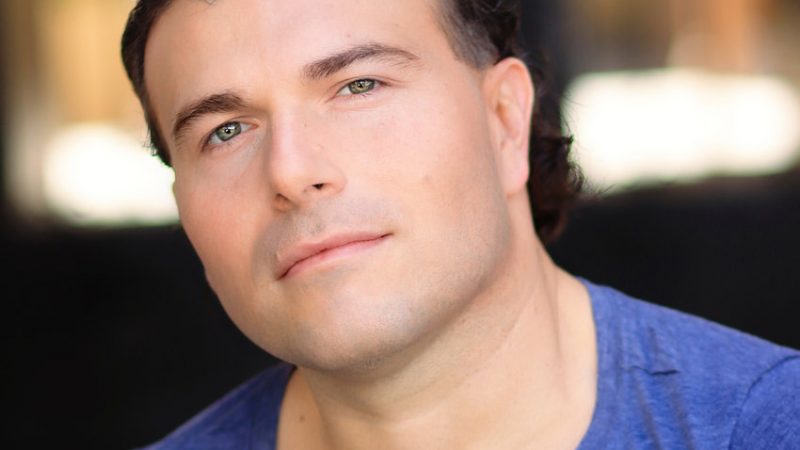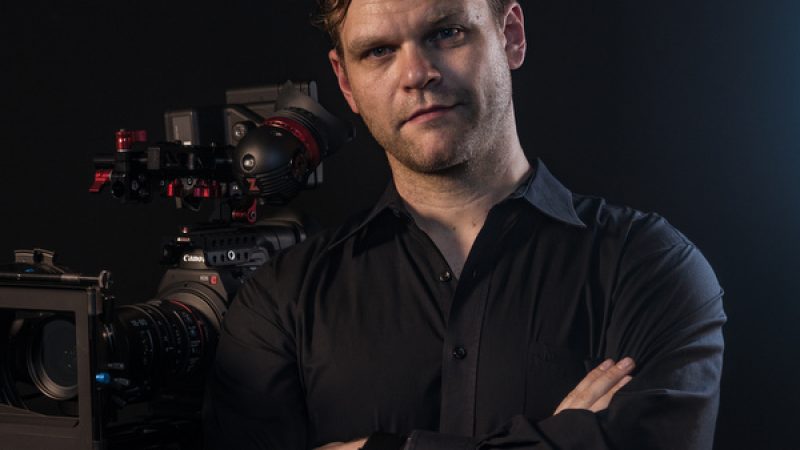
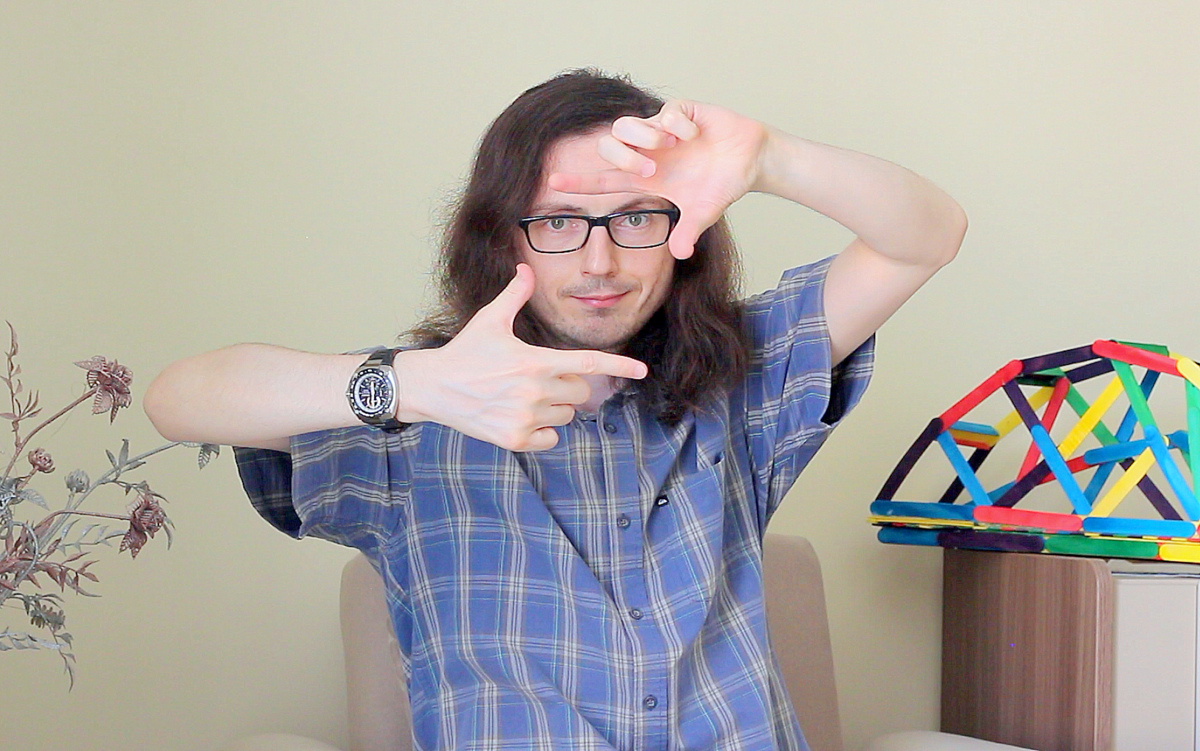
Serkan Aktaş is Turkey’s most awarded filmmaker, boasting an incredible 215 international awards, including 53 from the United States where his films have been selected across 35 states. Globally recognized for his contributions to fantasy and science fiction cinema, Serkan’s unique blend of intellectual rigor—rooted in business, mathematics, and advanced film studies—allows him to explore profound questions about humanity, existence, and the unknown through his work.
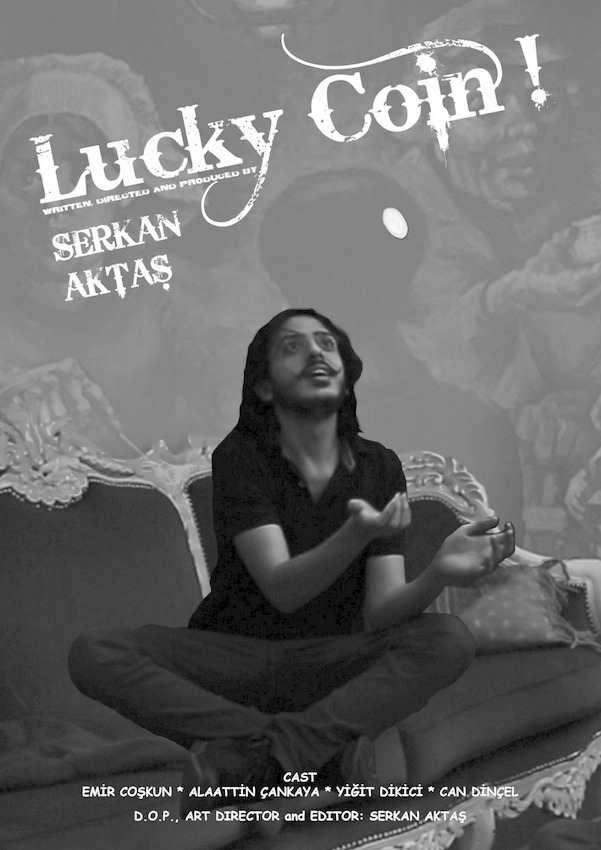
His latest short film, Lucky Coin!, highlights his distinctive storytelling style, capturing themes of luck, effort, and personal growth within a visually striking homage to classic silent cinema. Looking ahead, Serkan is fully focused on his ambitious upcoming feature, Kanlısırt (The Blood Ridge), a World War I epic set during the Gallipoli Campaign that aims to become one of Turkey’s most widely seen films.
In this interview, Serkan shares his creative process, reflections on Lucky Coin!, and his vision for both the present and future of cinema.
indieactivity: Now that “Lucky Coin!” is complete, what are your feelings about the entire project?
Serkan Aktaş (SA): Completing Lucky Coin! has been a truly rewarding experience. This film reflects my desire to explore themes of luck, effort and personal growth in a way that is both entertaining and meaningful.
The teaser trailer for Lucky Coin! by Serkan Aktaş
I’m proud of how the project came together—especially how we captured the vintage black-and-white style and silent film atmosphere to support the story’s mood. Every creative choice was intentional, aiming to immerse the audience in a unique cinematic experience.
At the same time, finishing Lucky Coin! reminds me that filmmaking is a continuous journey. Each film teaches me something new, pushing me to grow as an artist and storyteller.
Ultimately, Lucky Coin! represents my goal to create films that bring joy, wonder, and thoughtful reflection to viewers. It’s a project I’m proud of and excited to share with audiences around the world.
Who is Lucky Coin! for? Who do you think would enjoy it the most?
Serkan Aktaş (SA): Lucky Coin! is really for anyone who’s ever felt stuck—like the universe was working against them. It speaks especially to students, dreamers, and young people navigating the fine line between personal responsibility and the temptation to blame external forces. But beyond that, I believe it’s for anyone who finds joy in cinema that makes you think while also making you smile.
As I always say: “I want people to experience the same joy and wonder that cinema brings me.” Whether you’re watching for the humor, the fantasy elements, or the deeper philosophical questions underneath, I believe this film has something that resonates. At the same time, with my intellectual perspective and filmmaker identity, I strive to find solutions to the world’s unsolved real-world problems—or contribute to those solutions through making movies. Lucky Coin! might seem light on the surface, but it’s rooted in a very real issue: our tendency to avoid accountability. By approaching it with humor and imagination, I’m hoping to start a conversation—especially with younger audiences—about mindset, effort, and what we truly control in life.
So in short, it’s for everyone. But especially for those open to reflection wrapped in a fun, unexpected cinematic experience.
Without giving anything away, tell us a little bit about the script. How did you come up with the idea?
Serkan Aktaş (SA): The script for Lucky Coin! was actually inspired by a humorous anonymous story I came across while reading old Turkish joke collections online. It was a simple, almost throwaway anecdote, but something about it stuck with me—the idea of someone blaming all their misfortunes on “bad luck” rather than looking inward. From there, I started developing it, layering in my own perspective and style, and eventually it evolved into a short film that blends comedy, fantasy, and drama.
The story centers around a university student who truly believes he keeps failing a course because of bad luck. In an effort to break the cycle, he turns to a superstitious act, thinking it might turn his life around. At its core, though, the film is not about luck at all. It’s a commentary on our tendency to externalize failure and seek shortcuts. The real message is that true success doesn’t come from superstition or chance—it comes from consistent effort, patience, and discipline.
As someone who deeply values intellectual growth and self-mastery, I wanted to show that even in a light-hearted story, there can be a deeper truth: we grow not through luck, but through how we choose to respond to adversity.
What went into the casting process for Lucky Coin!?
Serkan Aktaş (SA): The casting process for Lucky Coin! was incredibly natural and came straight from the heart. All of the cast members are actually my close friends. None of them are professional actors, but they brought an honest and relatable energy that fit perfectly with the tone of the film.
Once I finished the script, I shared it with them just to get their thoughts—but their reaction surprised me in the best way. They all said the same thing: “We ought to make this script into a movie. Count me in!” That enthusiasm, that sense of shared purpose, became the foundation of the entire project.
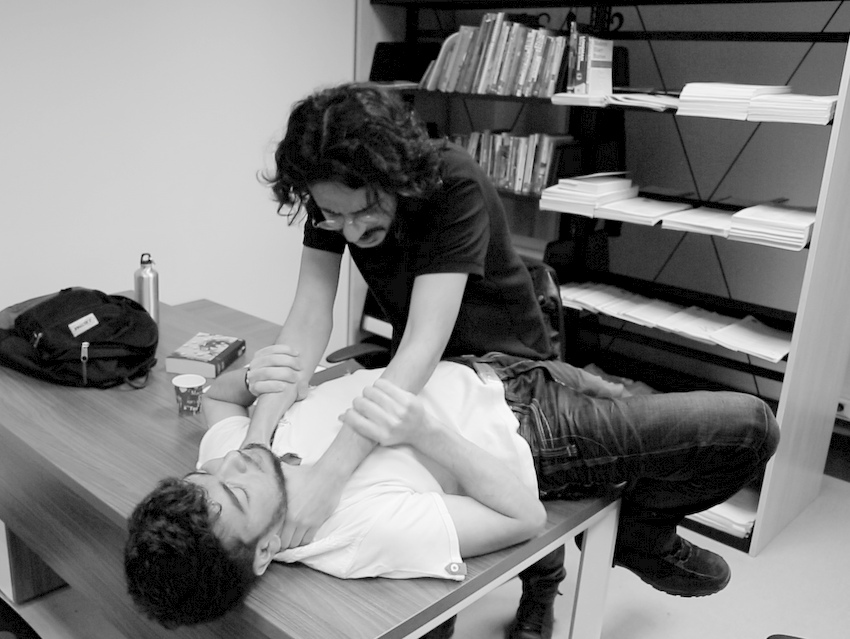
There were no formal auditions or casting calls—just trust, passion, and a strong belief in the story we wanted to tell. I believe that kind of spirit—the joy of making something together—is deeply felt in the final film. It reflects the core of Lucky Coin! itself: the idea that transformation comes not from waiting for the perfect moment or perfect people, but from stepping in and making it happen with what you have.
How long did it take to shoot the entire film?
Serkan Aktaş (SA): Lucky Coin! was shot in just two days. The tight schedule kept energy high, and working with friends made the process smooth and focused. It’s a great example of turning limited time into creative opportunity.
How long was the post-production process?
Serkan Aktaş (SA): The post-production for Lucky Coin! took about two weeks. I chose to make the film black and white with a 1.33:1 aspect ratio to give it the look and feel of a 1930s classic. There’s no dialogue, just intertitles. There’s no music—just the sound of an old film camera and engine noises—to fully immerse the audience in that vintage atmosphere. I wanted it to feel like stepping back in time, capturing the charm and simplicity of early cinema.
“Lucky Coin!” had talent working behind the scenes—designers, sound designers, etc. How did you handle creative differences?
Serkan Aktaş (SA): Since Lucky Coin! is a silent film, relying on intertitles instead of dialogue, every creative choice—from visuals to sound effects—was crucial in conveying the story and mood. With that in mind, I always reminded the team of my core belief: “I want people to experience the same joy and wonder that cinema brings me.”
We focused on creating an authentic 1930s atmosphere with the black-and-white palette, just intertitles, the 1.33:1 aspect ratio, and carefully crafted sound design—like the vintage camera and engine noises. When creative differences came up, we navigated them through open discussion, always asking how each idea could enhance that immersive silent film experience.
Keeping our shared vision front and center helped turn differences into collaboration, making the final film more cohesive and powerful.
What are your goals with Lucky Coin!?
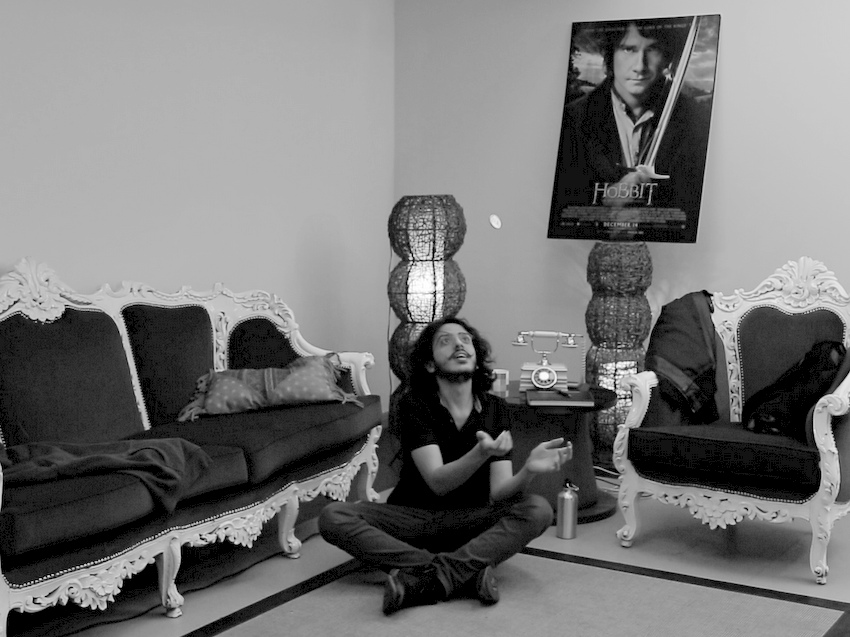
Serkan Aktaş (SA): With Lucky Coin!, my main goal is to offer audiences a fresh yet nostalgic cinematic experience—something simple on the surface, but layered with meaning underneath. I want to remind people of the charm and emotional power of early cinema, while also provoking thought about personal responsibility and the illusions we create around luck.
As I always say, “I want people to experience the same joy and wonder that cinema brings me.” This film may be short and silent, but it carries a message that speaks to our modern lives: real change doesn’t come from superstition, but from discipline, patience, and effort.
Artistically, Lucky Coin! is also a celebration of silent cinema—black and white, 1.33:1 aspect ratio, vintage atmosphere. Through this form, I hope to inspire a younger generation of filmmakers to explore timeless storytelling techniques and challenge what a “short film” can do.Ultimately, my goal is always the same: “With my intellectual perspective and filmmaker identity, I strive to find solutions to the world’s unsolved real-world problems or contribute to those solutions through making movies.” Even if it’s just a small nudge in someone’s thinking, I believe that matters.
Which directors or films have had the biggest impact on your creative vision?
Serkan Aktaş (SA): The directors who have had the biggest impact on my creative vision are Alfred Hitchcock, David Lean, Sergio Leone, and Steven Spielberg. Each has shaped my approach to filmmaking in unique and powerful ways.
Alfred Hitchcock’s mastery of suspense and psychological depth has been incredibly influential. Films like North by Northwest, Vertigo, Shadow of a Doubt, Rope, The Birds, and Psycho showcase his ability to create tension from the smallest moments and build complex, believable characters. I strive to bring that same psychological richness and intensity to my own films.
David Lean’s talent for crafting grand, epic narratives while focusing on intimate human moments inspires me deeply. His works such as Lawrence of Arabia, The Bridge on the River Kwai, Doctor Zhivago, and A Passage to India show how to balance scale with emotional depth—something I aim to replicate in my storytelling.
Sergio Leone’s innovative visual storytelling, particularly in Westerns like Once Upon a Time in the West and A Fistful of Dollars, taught me the power of visuals to convey meaning and emotion without words. His films have a transcendent quality that I continually aspire to capture.
Finally, Steven Spielberg’s ability to blend adventure, emotion, and spectacle is a huge inspiration. Films like Close Encounters of the Third Kind, Duel, Color Purple, and Jaws demonstrate how he connects audiences deeply to stories regardless of scale, something I always keep in mind.
These directors have profoundly shaped how I see the world through cinema and how I bring both intellectual and emotional depth to my work.
How do you see the future of science fiction and fantasy cinema evolving, especially with new technologies like AI and virtual production?
Serkan Aktaş (SA): The future of science fiction and fantasy cinema is exciting, especially with advancements in AI and virtual production. These technologies are transforming how films are made and consumed. Streaming platforms are making films accessible globally, giving diverse voices a chance to be heard. Meanwhile, VR and AI are pushing the boundaries of storytelling, offering immersive and interactive experiences. For independent filmmakers, these tools can lower production costs and open up new creative possibilities. I see a future where cinema becomes more personalized, with films adapting to individual viewers’ preferences. But at the core, storytelling and emotional connection will always be what makes cinema powerful. That’s why we must keep “reading, watching, writing, and making our movies.”
If you could adapt any existing science fiction or fantasy novel into a film, which one would you choose and why?
Serkan Aktaş (SA): If I could adapt any existing science fiction or fantasy novel into a film, it would definitely be Metro 2033 by Dmitry Glukhovsky. This Russian sci-fi masterpiece captivated me when I first read it, and it’s been my dream ever since to bring it to the screen. The story’s post-apocalyptic world set in the depths of Moscow’s Metro system, with its deeply complex themes of survival, moral dilemmas, and the interplay between humanity and the unknown, would make for a truly compelling film.
The protagonist, Artyom, embarks on a journey through a ravaged city filled with danger and moral complexity, seeking to warn others about the mysterious ‘Dark Ones.’ As he faces criminal gangs, mutated creatures, and ideological conflicts, the narrative explores themes of human fear, misunderstanding, and the tragedy of unintended consequences. The revelation that the Dark Ones, in the end, were trying to make peaceful contact, not attack, underscores the novel’s core tragedy — something I find both powerful and thought-provoking.
I’m deeply drawn to the novel’s atmosphere, its layers of psychological depth, and its exploration of a world where the boundaries between human and non-human, ally and enemy, are blurred. It’s a world that blends hope with despair, and it would be an incredible challenge to capture that tension and the profound emotional impact of Artyom’s journey in a cinematic experience.
What advice would you give directors around the world?
Serkan Aktaş (SA): As directors, we hold a unique and powerful position—not just as storytellers, but as agents of change. Cinema is far more than entertainment; it’s a medium through which we can address real-world problems, spark meaningful conversations, and offer new perspectives.
My advice to directors is to embrace this responsibility fully. Use your intellectual perspective and creative voice not only to entertain but to challenge perceptions and inspire action. As I always say, “I want people to experience the same joy and wonder that cinema brings me,” but I also believe that cinema should contribute something valuable to humanity.
Creativity is not something that happens by chance—it’s a disciplined way of life. I live by the mantra: “Read every day, watch every day, write every day, and then make your movie.” Reading fuels the imagination and helps us understand the depths of the human condition across cultures and centuries. Watching films daily sharpens our cinematic instincts, and writing every day hones our ability to think visually and philosophically.
Filmmaking is where all of these elements come together—the place where curiosity, discipline, and vision translate ideas into light, shadow, and meaning.
So, to directors worldwide, I say: live with curiosity, work with discipline, and create with purpose. The world needs artists who not only master their craft but also seek to improve society through their vision. This is how we keep creativity alive and meaningful.
What’s next for you? What are you working on right now?
Serkan Aktaş (SA): My next project is a feature film titled Kanlısırt – The Blood Ridge, which I’m both writing and directing. The story takes place during the Gallipoli Campaign of World War I, focusing on the intense battle between Turkish and British forces at Blood Ridge. But beyond the historical narrative, the film explores deeper themes like land, brotherhood, and the human struggle for meaning and identity.
Right now, I’m fully focused on this film. Pre-production will begin between August and September, followed by shooting in October and November. We plan to enter post-production during December and January. If everything goes as scheduled, we’re aiming for a March 2026 release.
The film opens with a symbolic wedding scene—an homage to The Godfather—featuring traditional Turkish folk dances. This scene isn’t just visual; it sets the tone for the entire film. Every detail, every movement will serve a narrative purpose, reflecting the richness of our culture and the emotional weight of what’s to come.
As the most awarded filmmaker in Turkey, I believe in using that recognition to reach wider audiences. With Kanlısırt, my goal is ambitious: to create the most-watched film in Turkish cinema history, aiming for 13.5 million viewers. Awards are milestones, but my deeper mission is to make films that move people, spark dialogue, and contribute to our cultural memory. With my intellectual perspective and filmmaker identity, I strive to find solutions to the world’s unsolved real-world problems—or contribute to those solutions through making movies. That purpose continues with Kanlısırt.
Join Serkan Aktaş as he pushes cinematic boundaries and crafts stories that challenge and inspire audiences worldwide:
Let’s have your comments below or on Facebook, Instagram, or Twitter
Socials
Filmfreeway
IMDb
LinkedIn
Letterbox
X
Vimeo
YouTube
FILMMAKER INTERVIEWS