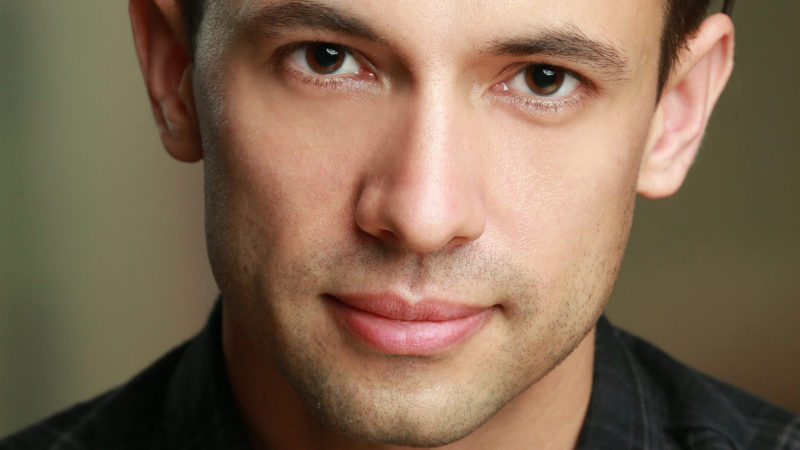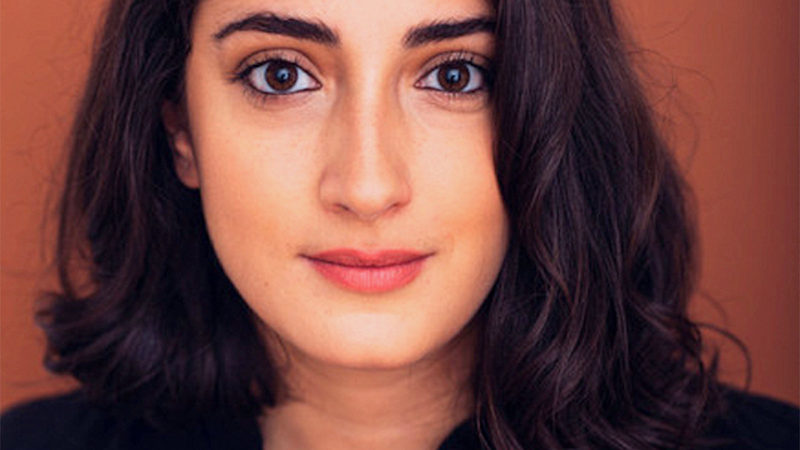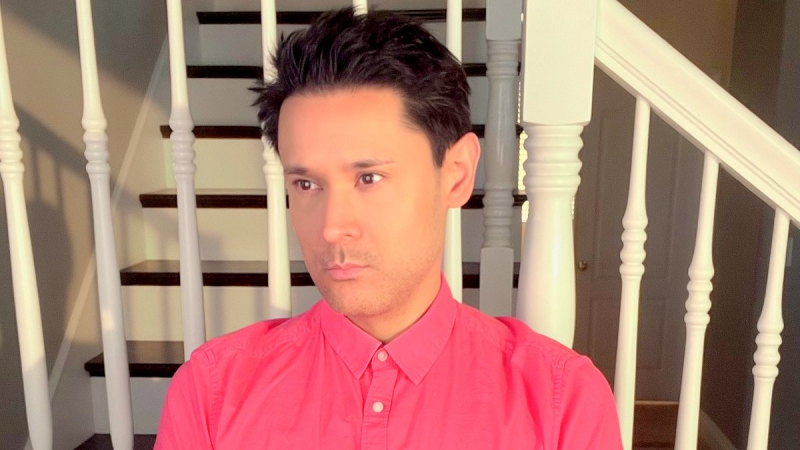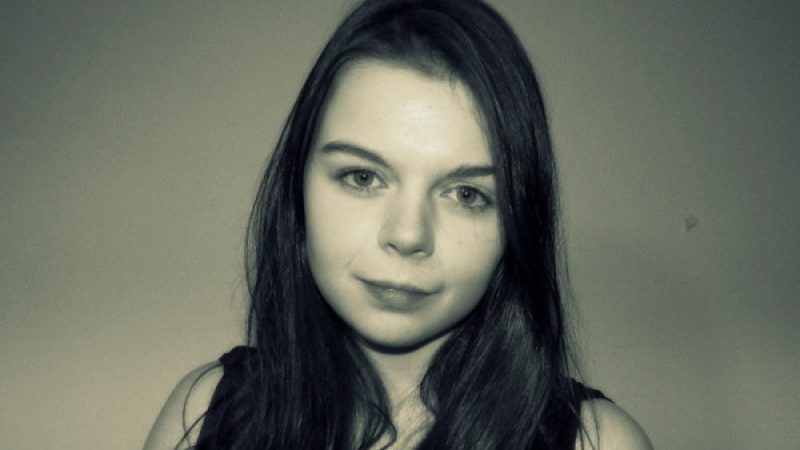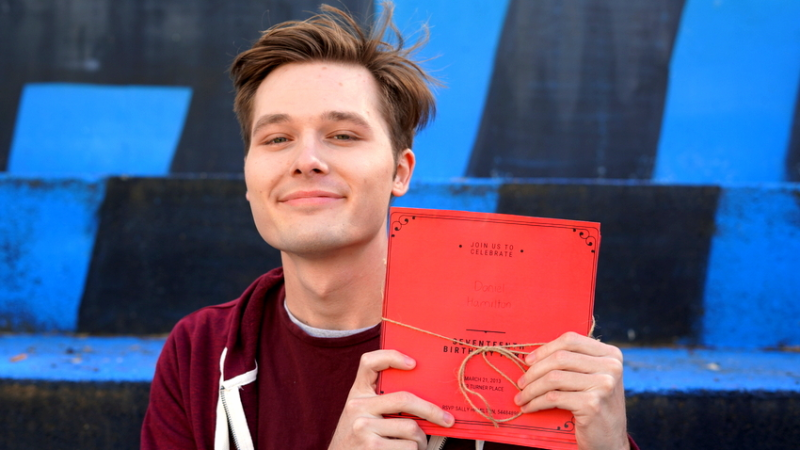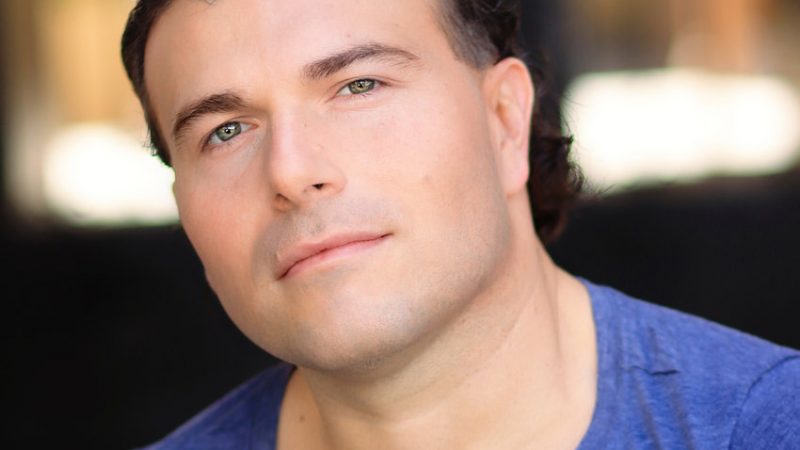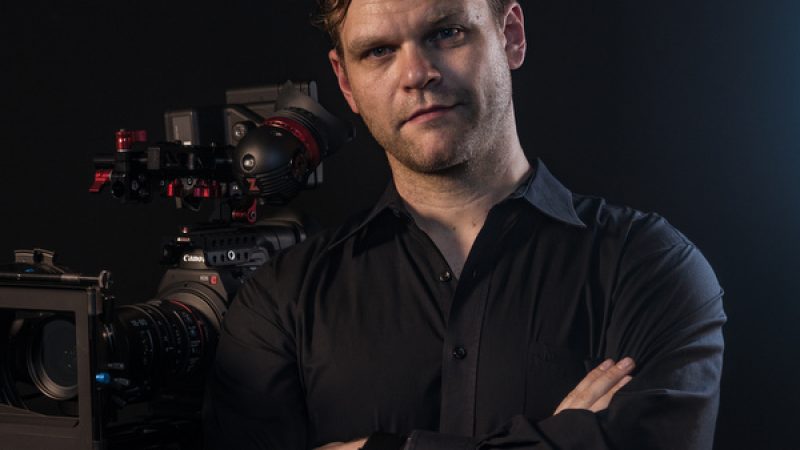
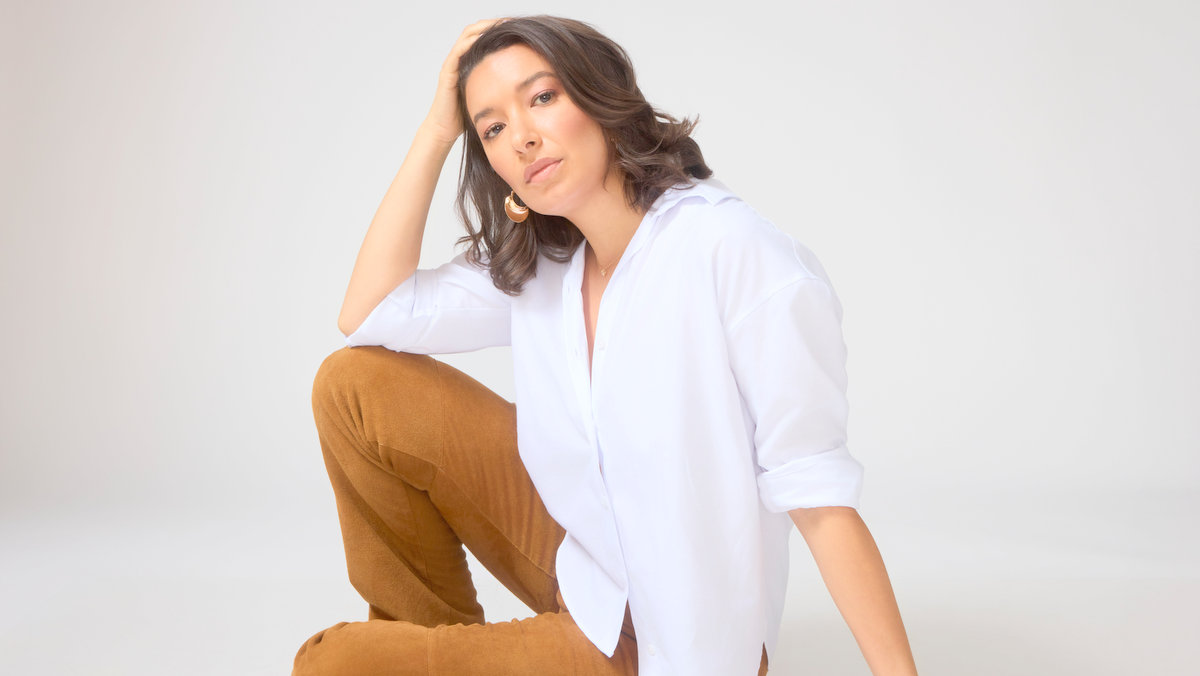
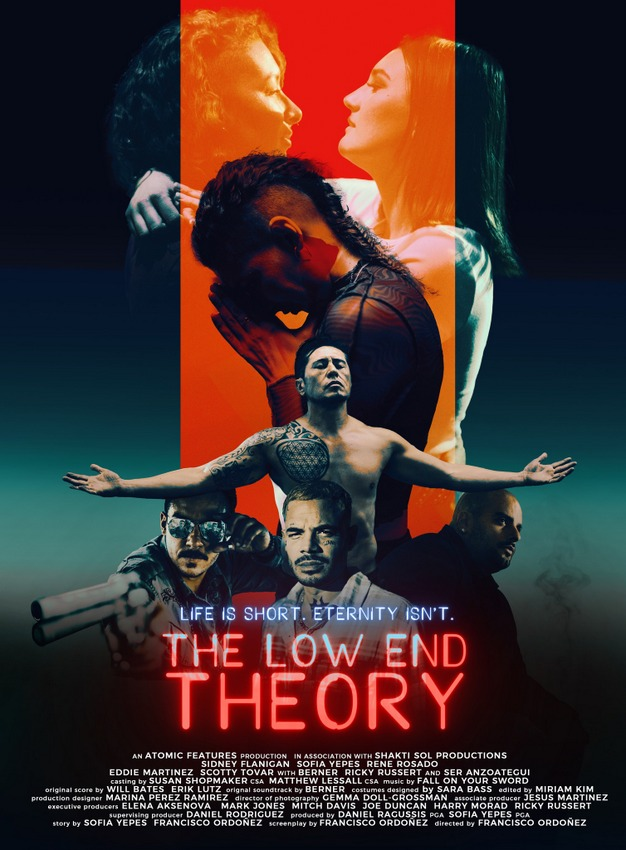
I am Sofia Yepes, Start, Producer and co-writer of The Low End Theory. THE LOW END THEORY follows Raquel Pacheco. Who is a military veteran with a dark past and a dream of becoming a hip-hop producer. Stuck laundering money for her girlfriend’s dangerous drug-dealing brother. Raquel’s life is spiraling—until she meets Veronica. A mysterious singer who ignites something real in her for the first time.
But when Veronica turns up beaten and on the run. Raquel risks everything—stealing from her violent boss to save the woman she loves. As lies unravel and loyalty is tested, Raquel must choose between survival, betrayal, and the love that just might destroy her
The Main Cast & Crew
A. The main cast
– Sofia Yepes as Raquel
– Sidney Flanigan as Veronica
– Rene Rosado as Efraim
– Berner as Tino
– Ricky Russert as Larry
– Eddie Martinez as Ulysses
– Ser Anzoategui as Giselle
– Scotty Tovar as Nico
B. The main crew
– Gemma Doll-Grossman as Director of Photography
– Elena Aksenova as Line Producer
– Marina Perez Ramirez as Production Designer
– Kate Oja as Makeup Artist
– Sara Bass as Costume Designer
– Miriam Kim as Editor
– Daniel Ragussis as Producer
The Low End Theory – Official Trailer
indieactivity: What’s your experience working on story, screenplay, production, premiere and marketing?
Sofia Yepes (SY): The experience has been a rollercoaster—in the best way.
Working on the story was so fun, and honestly, way longer than I anticipated. We were lucky to have a circle of writer friends who read draft after draft and gave us notes that made the script stronger every time.
Since it was my first time producing, I learned a ton from our other producer, Dan—he really showed me the ropes. Things definitely got overwhelming at times—raising money, hiring cast and crew, locking down locations—but it was also such an exciting challenge.
About two months before production, I asked for space to start focusing fully on the character. And my amazing team made that happen. Unless something absolutely required my attention, they gave me room to dive into Raquel—and I’ll always be grateful for that.
The premiere was incredible. We had so much support—we sold out both New York and L.A. almost instantly. The response was overwhelming in the best way.
The biggest surprise? Marketing. We didn’t budget for it the way we should have, and that part hit hard. We’ve been calling in favors, raising last-minute funds, and working nonstop to make sure our little film gets seen. It’s been a wild ride—but I wouldn’t trade it for anything
How did you put the crew and cast together? Did you start writing with a known cast?
Sofia Yepes (SY): We had a very small core cast—just myself and Rene Rosado to start. After about the fourth or fifth draft, Eddie Martinez came on board, which was an exciting addition.
We were definitely distribution-conscious when it came to casting the role of Veronica, but overall, Francisco was adamant about choosing actors who were right for the role, not just names. That mindset guided how we cast the entire film. Of course, budget played a big role too—so we had to be strategic, but never at the expense of the story’s integrity.
What and how long did it take to complete the script? (Was it a team effort or was it solo?)
Sofia Yepes (SY): Ha! We started writing this script back in 2013… so yeah, it took about eight years to lock it in.
A lot happened along the way—like, you know, life—including me becoming a mother. Francisco is definitely more of the “at the keyboard” writer, but the process was deeply collaborative when it came to shaping the story. We were constantly talking through the characters, the emotional beats, the twists. It was truly a labor of love—and patience.
At the start, I raised funds to help cover Francisco’s rent for three months, just so he could focus fully on pulling all the elements together into our first full draft. That’s how much we believed in this story. It wasn’t just a script—it was something we were building with our whole hearts.
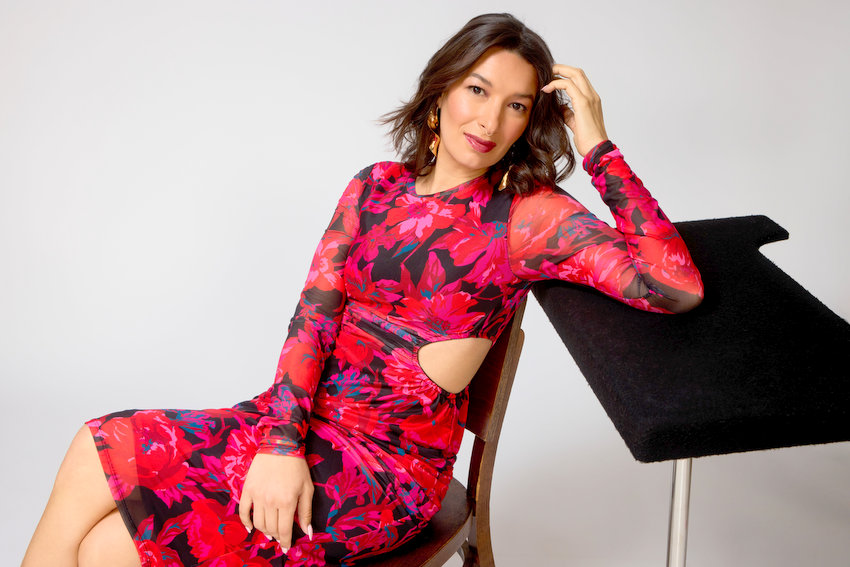
When did you form your production company – and what was the original motivation for its formation?
Sofia Yepes (SY): I actually didn’t officially form my production company until last year.
After working on The Low End Theory, I realized how much I loved being part of the creative and logistical process—not just as an actor, but as a storyteller with a bigger vision. I wanted to create space for more than just film—I wanted to develop content that reflects the lives of people like me. Especially single mothers.
The production company is still growing, but it’s rooted in purpose: telling stories that matter, and building platforms that empower.
What was the first project out of the gate?
Sofia Yepes (SY): My first project out the gate as a production company was The Low End Theory.
It was a big swing for a first-timer, but with the love, hustle, and support of everyone who came together to make it happen—we did it. We pulled off a full feature with a small team, a lot of heart, and a story that truly meant something to us.
Honestly, there couldn’t have been a better first project. It set the tone for the kind of work I want to keep creating: bold, rooted in truth, and made with intention. I believe it also gave me clarity as to what I really want to do in the world of film.
During the film production, what scene (that made the cut) was the hardest to shoot? And why?
Sofia Yepes (SY): Ooooh wow, great question. I’d have to say the fight scene.
It took two full days to shoot, involved multiple cameras, tons of stunts, and a lot of rehearsals. There were so many moving parts—it was intense. Luckily, we had an amazing group of actors who brought it every single take.
Even with all that effort, it still took a lot of creative editing to give it the impact we wanted—especially being a low-budget production. But honestly? With the resources we had, I think we pulled off a seriously kickass scene. I’m proud of what we accomplished.
You must have donned several hats on this film, the measure of your input required intellect, effort, tenacity, skill (…you know better). What did it take you to put out all these qualities to get the film done?
Sofia Yepes (SY): Honestly? It took everything—and then some.
Intellect, effort, tenacity, skill—and a whole lot of heart. I had to wear all the hats: actor, producer, fundraiser, fixer, emotional anchor… sometimes all on the same day. I had to find my voice in the process—and also, let’s be real—I had to find the money too. That alone could’ve been its own movie.
There were days I was overwhelmed, exhausted, and questioning how we were going to pull it off. But I kept showing up. I kept choosing the film. I tapped into every part of myself—my instincts, my resilience, my belief in the story—and I leaned hard on the people who believed in it with me. Because when something matters this much, you don’t wait for permission. You build the damn thing yourself.
What about independent filmmaking and the business do you still struggle with?
Sofia Yepes (SY): The hardest part? Finding the money.
I don’t come from a background where I had friends with deep pockets ready to invest in something that might not offer a guaranteed return. I had to get out there, meet people, build trust, and get them to believe in our vision—not just the film, but me.
Raising funds takes time. And there’s this constant catch-22 in indie filmmaking: you need funding to attract talent, and you need talent to secure more funding. Navigating that loop was one of the most frustrating, humbling, and—eventually—empowering parts of this process.
Where do you think your strengths lie as a producer?
Sofia Yepes (SY): I think one of my biggest strengths is managing multiple things at once—and managing people.
Generally speaking, I work really well with others. I’m big on clear communication, and I do my best to de-escalate situations as smoothly as possible, which—let’s be real—is a common occurrence when you’re shooting an indie film.
It’s not just about keeping the schedule moving, it’s about keeping the energy grounded and the team connected. That’s something I take seriously.
Let’s talk about finance. How did you finance the film?
Sofia Yepes (SY): Oh boy—all private financing.
We were incredibly lucky to have Ricky Russert come on board early as our Executive Producer—he also played Larry in the film. He believed in the project from the jump and brought in a major portion of our investors, which really set us on the path to start production.
Later, our EP Rene Rosado—who played Efraim—joined forces with Francisco and their business partner Krishna Tewari. Together, they formed a company that helped us secure the post-production funding we needed to get across the finish line.
And honestly, we couldn’t have done it without the support of our friends. A few of them believed in us so deeply that they jumped in as investors too and helped us close the final gaps.
I’m so deeply grateful to every single person who believed in us and took a chance on this story. This film is a testament to community, trust, and what happens when people show up for each other.
How much did you go over budget? How did you manage it?
Sofia Yepes (SY): Let’s just say… we set out to make a film for $100K—and that dream disappeared the moment we had our first meeting with a line producer.
But we were already in motion, and once we started, we weren’t going to stop. We just kept going. Every time we hit a wall, we found a way around it—whether it was calling in favors, shifting strategy, or just getting really creative with what we had.
We managed by staying scrappy, leaning on our community, and refusing to let budget define our vision. Was it easy? No. Did we make it happen? Absolutely.
How important is marketing? Do you think a project can make a dent without it nowadays?
Sofia Yepes (SY): Marketing is absolutely vital—especially with the way the industry is now.
There are so many platforms, so many films dropping every week, and most of them get lost in the noise. Studios aren’t really investing in marketing the way they used to—so as indie filmmakers, we’re pretty much on our own.
Getting your film seen is just as important as making it. You can have an incredible story, amazing performances, but if no one hears about it? It doesn’t matter. Marketing isn’t optional anymore—it’s part of the job.
Tell us about marketing activities or efforts on this project – and how it worked or didn’t work?
Sofia Yepes (SY): Marketing this film has been its own journey.
We didn’t budget for it the way we should have—like many indie films, we poured every dollar into getting the movie made. So when it came time to promote it, we had to hustle hard. We hired a publicist for a couple of months, which helped us get some initial traction, but after that, it was all us—calling in favors, raising last-minute funds, and leaning on our community to help us get the word out.
We’ve been doing everything ourselves—building social media content, reaching out to press, creating reels, organizing screenings. Some things worked beautifully—like our premieres in NYC and LA, which sold out almost instantly thanks to grassroots support. Other things have been harder—like sustaining visibility beyond our network without a full marketing team or dedicated budget.
What it’s taught me is this: you can make a beautiful film, but if people don’t know about it, it doesn’t exist. Marketing is just as important as production, and going forward, I’m building that into the plan from day one.
What do you hope audiences will get from the presentation of your film?
Sofia Yepes (SY): I hope audiences walk away from The Low End Theory feeling something they didn’t expect.
Whether it’s questioning what they would’ve done in Raquel’s shoes, seeing themselves in a character they never thought would represent them, or simply recognizing how messy, raw, and human survival can be—I want them to leave moved.
This isn’t a film that ties everything up neatly. It’s gritty, emotional, complicated—and that’s the point. I want people to sit with the discomfort, to reflect, and maybe even to look at the people around them a little differently.
And most of all, I hope it reminds people that stories led by queer, Latina, and marginalized characters don’t have to explain themselves—they just need to exist. Loudly, unapologetically, and with depth.
Is this a placeholder text, for the interview question?
Sofia Yepes (SY): Oh, I’ve got a few things cooking.
Right now, I’m developing a Western—with a Latina lead at the center, because let’s be real… when’s the last time you saw that? It’s gritty, cinematic, and full of heart—exactly the kind of story I’ve been craving to tell.
I’m also expanding Sana Sana Single Mama into something much bigger. What started as an idea of a podcast for single mothers is evolving into a full platform—a space for healing, storytelling, and real-life transformation. We’re building a village, and it’s only just beginning.
And I’ve got a dramedy series in early development—let’s just say it involves crime, chaos, a complicated mother-daughter relationship, and one Latina who’s had enough.
A few more projects are still incubating, but one thing’s for sure: I’m telling the stories I want to see. Loudly, boldly, and with purpose.
Let’s have your comments below or on Facebook, Instagram, or Twitter
Socials
IMDb
Facebook
Twitter
Instagram
FILMMAKER INTERVIEWS