
I’d say I was a bit of a late bloomer. I decided on an acting career at the age of 17 years. But before this I already had a huge interest in the creative arts. Not only acting, but also dancing and painting. I drew my own animation characters and created little bits of choreography after watching endless dance shows. I was eager to tell stories and express myself one way or another. The most vivid memory I have was in school when I submitted my very first poem and won. I performed it again and again, alone in my room, in front of family and friends. It was such an energetic burst of creativity. This fed nicely into an Indian arts group called, Balvikas, that I was part of. It was like stage school for the Asian community.
We learnt classical drama, singing, dancing and a whole range of instruments. To be honest I hadn’t seen these types of performances before. I was taken aback and I wanted to learn more. That and Sunday’s with the family watching a lot of Bollywood! Then I joined National Youth Theatre (UK). I began to understand that I could do this everyday for the rest of my life. So, I went and did my first film with BFI London a couple of years later. At the screening, I remember the whole cinema laughing at one of my lines. From that point it was comedy screen projects I wanted to be a part of. So I continued moving forward, with my writing and voice over work too. And for the last couple years after training, I have been lucky to work with companies big and small. Here and across the water… still telling stories!
That’s right, I did yes. I am academic from a young age. So, I went to University the UK to study theatre. Then further training at drama school in London. Looking back, the mix of both types of training was the best decision I made. I got the experience of living life in University and the discipline and techniques from drama school. Jonathan Pitches is a tutor I will not forget. He was trained in Russian Theatre Practice (Meyerhold). I asked so many questions about our own work. I pushed our way of thinking and gave us the space to build new ideas. It was the first time I had experienced the second half of act three. From the “The Seagull” performed over and over, each time very different, but still amazing.
University was a time to choose from a range of modules and continuing writing. I made great contacts and already had a mini portfolio before I left. Gail Sixsmith is another tutor I will not forget. Her movement classes at drama school were like lots of golden keys in character work. Through her lessons I learnt that music was a strong entry point into a role. I have lived by that ever since. I have always made sure to attend necessary workshops and sessions. With established people to keep my skills in check and meet new people and practices. I appreciate each role will be different for me. Because of my life, the story or the team attached. Therefore must take charge of my learning by tuning the body everyday. Even if that means doing your ten-minute vocal warm up in the shower! As an actor I continue to embrace everything that life throws at me and use it.
Did you study acting?
Bhavnisha Parmar (BP): That’s right, I did yes. Looking back, the mix of both types of training was the best decision I made. I got the experience of living life in University and the discipline and techniques from drama school. Jonathan Pitches is a tutor I will not forget. He was trained in Russian Theatre Practice (Meyerhold) and asked so many questions about our own work. I pushed our way of thinking and gave us the space to build new ideas. It was the first time I had experienced the second half of act three from the “The Seagull” performed over and over. Each time very different, but still amazing.
University was a time to choose from a range of modules and continuing writing. I made great contacts and already had a mini portfolio before I left. Gail Sixsmith is another tutor I will not forget. Her movement classes at drama school were like lots of golden keys in character work. Through her lessons I learnt that music was a strong entry point into a role. I have lived by that ever since. I have always made sure to attend necessary workshops and sessions. With established people to keep my skills in check and meet new people and practices. I appreciate each role will be different for me. Because of my life, the story or the team attached. Therefore must take charge of my learning by tuning the body everyday.

Even if that means doing your ten-minute vocal warm up in the shower! As an actor I continue to embrace everything that life throws at me and use it.
What acting technique do you use?
Bhavnisha Parmar (BP): Teachings from Meisner and Strasberg, hands down. There has been a burst of training schools in the Meisner technique in the UK. Over the past few years especially. Although it has sometimes been said to be “over-taught”. The core principles are so necessary for an actor, that there is no surprise why. Over the stage and screen projects I have done. It has become so clear that being able to “listen” to yourself. “Trust” yourself and do the same for others will always take you to another level of acting. This topic is so fascinating for me… I could talk for days! I have been lucky to be currently training with Jack Waltzer from L.A. One of the first attendees at the “The Actor’s Studio”, taught by the likes of Kazan and Adler.
The exercises he teaches are in scrap notes from when he was learning. Nothing fancy, but real art. And Strasberg’s teachings are great for an actor when trying to apply all of this creativity, “practically and realistically”. He teaches on the basis of actors learning to solve their own problems, which is so exciting. These teachings are not always specific exercises, but mindsets that give you the personal permission to take a role further. Actually there is one other technique I use. It is more of a yogic method, which developed for me whilst rehearsing. I chant a mantra and sync that with different patterns of breathing. As I made it there is no official name, but I use it for focus and relaxation before starting any work.
What wrong impressions do actors hold about acting?
Bhavnisha Parmar (BP): The biggest misconception, which is known but maybe not fully accepted; the glamour of the industry. As much as it is fun to celebrate (and you will!), an actor’s job is staying prepared and relevant. People forget you are your own business and you need to keep yourself in check (emotionally, mentally and physically) everyday. The work that goes on behind the scenes can sometimes be lost amongst the excitement of the end result. I guess in this sense too, it is not as easy as it seems. You could have the talent, the training and the agent but you may not land the role. Again it comes back to knowing you are a business and that you have to keep your creativity in check with a grounded sense of rationality.
And the other biggest realization that I have had myself over the past year is the idea around having to “settle” for certain projects. In an instance when no work is coming through, you tell yourself, “let me take this”. In the long run it does not work out because your CV will start to look like work you took rather than what you wanted. And because you have experience there, the next job will be in a similar direction. My acting tutor always said at the beginning of class, “Know what work you want to create and what work you want to be a part of”. My dream has been to be in a long running sitcom in the states. And if I keep my focus there (and get an average side job to cover the rest), my energy will be present for that type of work. It will not happen tomorrow, but today will be a step in the right direction.
Do you take courses to improve your craft?
Bhavnisha Parmar (BP): I make sure I do, yes. It’s so important to keep learning about yourself and the different practices that might work for you, especially with the choice of workshops and teachers available. With my background in comedy, I try and go to a range of classes, not just acting. I attend occasional comedy meetups in London, at the Miller Pub and also Jack Waltzer would be the closest I have to a private tutor at the moment. Jonathan Campbell in London is somebody else I want to work with one on one too. I have heard only great stories about his coaching, and he’s very reasonably priced. That’s one thing I would have to say, you have to limit yourself to how much you attend.
I attend one casting director workshop a month, have my sessions with Jack throughout the year and then attend any other skill based workshop that feels right for the time. I think it only gets expensive if you don’t know what you want. I pick and choose from recommendations and companies I trust like Actor’s Centre or On Screen Workshops. This way you are surrounded by practice that is going to push you and be long lived. And then it’s a matter of keeping up the exercises up at home. All this in mixing bowl will be all the ingredients to keep you relevant and in check.
When looking for the courses too, I think it is good to make sure that understand where you are personally as well as professionally as you will then be able to make the most of what you’ve learnt. For example if you’ve had a baby or an injury of some sort, get back into a workshop set up quickly to see where you’re at. It’s like taking the car to the dealers for a full service. Only once it has passed its checks can it get out onto the open road. And of course the best class is life. I think it’s important to stay so disciplined and professional that conversations, events and relationships in your everyday life add to your acting toolbox.
What acting books do you read?
Bhavnisha Parmar (BP): There are a few books, some you are definitely going to know. I have read Stanislavski’s trilogy series (An Actor Prepares, Building A Character and Creating A Role), most probably because they are so famous. I felt by reading and understanding them I can be fully part of the conversation; otherwise you will be missing a piece essential history! For an easier read Jean Benedetti’s version called “Stanislavski and the Actor” is a great introduction and application of his works. There are two other books that also spring to mind; Cicely Berry’s “TEXT IN ACTION” and John Barton’s “PLAYING SHAKESPEARE”. Both texts are so rich in areas of an actor’s rhythm, pace and tone, sometimes the most crucial key to unlocking a character. Something else that helps me, very much like the workshops, is to re read them every year or so. Different parts will stand out at different times and you are also able to see how much you have progressed.
How do you keep fit as an actor?
Bhavnisha Parmar (BP): Basic rules really. Eat right, sleep well and drink lots (water that is). And it’s really important to have a good support network. My mom (like for so many others) is the person I can talk to about rejections or concerns. For me it was about letting people around me know that you may need them. That way communication stays open and honest and they will be in the know to help you out. I also have a fitness routine that I stick to. It consists of doing thirty minutes of cardio everyday by either shadow boxing and dancing. And then three times a week I do core exercises to keep my muscles generally toned. Nothing to heavy, just a little each day that all adds up.

This set up really helps me to have a structured routine amongst all the uncertainty in acting. That and doing something repetitive like painting. I do also have another couple of other mental practices. One is chanting or prayer meditation. 20 minutes in the morning, allows my mind to focus and for me to declutter any thoughts from the day before. And The Happy 52 is the second. It’s a weekly release on my Instagram of life lessons I learnt (blog and photos) to keep me positive and works nicely to keep me grounded and connected to other creative outlets. By sharing knowledge and past experiences, I try and stay humble and focused on the progress that I have made.
I think positivity and a good energy is the important. Whatever works for the individual to keep the spirits alive and fully engaged? So even when jobs are not rolling in for yourself, you are still ready to help others.
When you’re offered a role, what do you do next?
Bhavnisha Parmar (BP): Definitely give the whole script a read first. Especially as it may be the first time you actually get to see it all. For this I make sure I am relaxed and comfortable, because the first read will always be the feelings that will be the strongest and stick the most throughout the whole process. I then note the parts that were most appealing, where I was moved…. And leave them alone. It’s good to have felt something, which indicates that somewhere down the line I understand those parts. I then note the parts I found difficult to digest and start an analysis process. This is everything from asking questions about the scene, surroundings, people and events all the way through to individual words in the text that act as clues for subtext and inner thoughts.
A couple of times I have had directors give me a detailed outline of the scene and wanted me to improvise, so here the focus comes off learning the lines and onto imagination exercises and asking questions. Really about gathering detail and creating an opinion for you, in line with the director’s vision. I may read the text through with a friend separate from the project, this way you can approach the text with no preconceptions or prejudgments. The more I can read the text without any pressure the more open you are to playing out the scenes in different ways. I will also read the script at least three times before meeting with the group, that way I have most probably covered reading it in different moods, discovering different points of view.
How do you take a character in a script to a honest, believable and breathing person?
Bhavnisha Parmar (BP): This can vary from project to project, I try not to keep it too systematic as it keeps your mind more open for when you shoot or perform. What could feel honest and believable at first may change when with the whole team.
So after reading, I will gather all the information that I know about the character and the bits that I don’t; the bits I want to explore and start by asking questions. I try and think of more obscure ones like, “How many weddings / funerals have they attended?” or “How many languages do they know?”. The more weird and detailed, the more interesting the character becomes and the more personality you can inject into them. I make it fun like a game, so I stay engaged with the role. Allow these to build pictures in your mind and stir your emotions around the character.
Then I break down the scenes I find hard. And ask why? Is it an emotional block on my part, or the way the action and text come together? Honesty can sometimes come in the form of simplicity, so really I try and look for the logic and essence of what is going on (logical action) and what the character wants at that moment; first though what the text gives me and what I know and then through asking questions and imagining. I like to make sure I know where each scene is coming from and start adding action words to build on these intentions. Once up on your feet the action and text slowly melt into the body and mind, and at the same time the images of the writing become stronger. This is where I start to find the details of the character.
I then learn the line inside out, mechanically and lacking any strong emotion; this way while shooting or rehearsing the tone and subtext will take care of itself. Leaving this for the day I am not falling into the trap of over preparing or preempting, rather trusting my work has been done and I am ready to play with what I have with me as a person.
The character becomes honest and believable as soon as you, as a living thing, pick up the text and read the words. Sometimes, going through the casting process, you have to trust that you already have what is necessary to make that character honest and believable, and leave those parts alone. For the extra layers, keep your gut alive by being aware of yourself, asking questions and letting the mind and body go.
How do you stay fresh on set?
Bhavnisha Parmar (BP): I asked myself this the other day actually. Great question. First and foremost drink plenty of water, keeping yourself hydrated. This will you’re your body fresh and most importantly your eyes fresh. You can start to feel droopy as the day goes on which could be a major setback when it comes to close ups. Sometimes I will leave the room. There may be lots of crew members, lights and props in a small room. And if it feels a bit “cloggy” then I politely excuse myself and take a breath of fresh air. A couple of simple tips really. Another trick for Girls (and guys!) is make –up.
I top up on a bit concealer during breaks and it awakens my eyes and face, which can get tense. If I’m lucky enough not to be wearing any makeup, I rub my face and jaw for a while to get fresh too. I find keeping in tune with your co partner during takes is essential. Make sure you give each other eye contact, perhaps even physical contact to keep the feeling alive. And if I feel that by doing this I am being rude to the crew then I just let them know before hand that this is my process. When on set I conserve my energy to communicate with crew more about the shots and frame, as it will clarify the type of acting that’s needed from me.
If all this fails to work and the set is more relaxed and I feel more comfortable and open just talking and laughing, then I do that. This job is really about what works best for you, at that time.
Describe a memorable character you played?
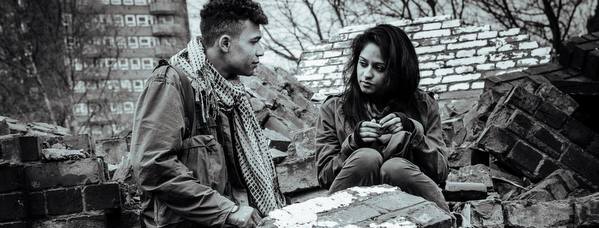
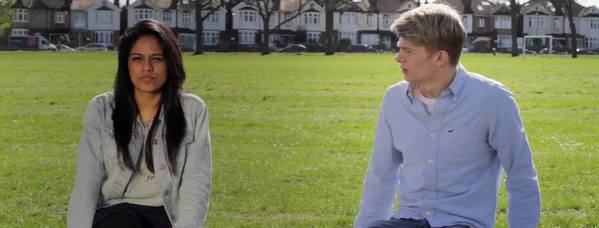
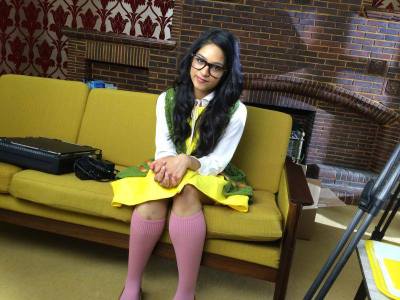
Bhavnisha Parmar (BP): Jessie, the park girl from the web series Darren Has A Breakdown. It was shot last year in London and has had the fortunate journey of hitting a lot of festivals this year including LA, Italy and Austria. There are some stills and BTS pictures below for a sneak peek. An actress I really admire once said it’s the best job to play a cop because everyone secretly dreams of being “a badass”. For me this role was on a similar plane… I think every girl wants to mess with a guys mind! The crew was amazing on this shoot, as was the sunshine and the old lady who made a star appearance in one of the scenes whilst out walking her dog!
Explain one creative choice you took on set?
Bhavnisha Parmar (BP): I remember not so long ago a director once asked me, what are you feeling this morning and how are you going to channel this into what you are doing right now? Without thinking, part way through the scene I let out a mighty scream, a sound I didn’t think could come out of me at all. It was so piercing and alive for me and I think everybody else there too. It reminded me at that moment that sometimes we try and search for words in a scene when they may not be there. And you have to allow yourself to be open to expressing yourself in the way that is right for you at that moment.
I could have kept repeating the words with little expression, but I think by being that extra bit vulnerable you get to a truth which can be so detailed and live, something that cannot be recreated. I believe it transferred the energy of the scene and the rest of the working day for me. And although not used in the final cut, it was the simple note of accepting where I was at and remembering that an expression of pain or discomfort is not just one image or idea or sound. And also trusting, allowing me to trust the director as an outside eye, who knows what to ask and how to guide my talent and creativity for the scene.
What do you want most from a director?
Bhavnisha Parmar (BP): To be able to indirectly guide you to the essence and the truth of the scene by asking specific questions that can relate both to yourself as a person and an actor. And also for them to respect your creative space, allowing you to make the character and story your own. I think they need to have a strong vision to harness the script but at the same time trust in their actors and not be afraid to let them explore and create too. I also love directors who make the time to improvise a lot around the narrative. As an actor you want to add as much colours and depth to your work, and this technique is for me the most challenging, fun and open way of doing that.
What actors do you long to work with?
Bhavnisha Parmar (BP): I have two people that I really admire. Firstly Elizabeth Moss. And second, Bollywood actress Deepika Padukone.
Why?
Bhavnisha Parmar (BP): Elizabeth Moss for me has such a lovely balance between being a headstrong woman and a playful one. She’s not only talented but she knows how to take her art seriously and always gives an honest opinion when talking about her work. These are such credible qualities when in the spotlight, and she manages to keep it consistent.
Deepika Padukone is an actor that I have really felt grow on screen and at no point has she seemed afraid of this. Her submission to be where she is at the moment, professionally and personally is so commendable. She has proved herself to be versatile and take risks with her roles. Somebody who can stay humble and positively naïve in the industry is someone I think you can learn so much from. She is a beauty icon for sure, but she has not settled just for this. Both actors I’ve chosen, I think would push an actor as a person. To be more vulnerable and take more risks. And this I have always strongly believed opens doors to taking your acting to a more raw, nuanced place.
What advice would you give to actors?
Bhavnisha Parmar (BP): I always carry three T’s around with me, so would share these. Trust… In your own talents and surrounding artist’s knowledge. Putting faith in a process or an intangible idea is so brave and rewarding I have found. Truth, to be the most honest and humble person you can be and allow that to spread to your work, that from day one you give over your grounded beliefs to the project, role and people you are with. And lastly tone. Always be aware of this when presenting yourself to others. Or the bigger idea is be aware of how you are coming across, as past roles and projects can affect your own character more than you think it has. It is great to have a couple of days in month to see your progress, celebrate it and to know how you can use the “now” you to grow.
Briefly write about your career?
Bhavnisha Parmar (BP): Although at the start of my career, I feel with the people I have met and projects I have been a part of, I have learnt so much. And also by taking risks and control over my own opportunities I have been able to progress from “happy mistakes”.
I have been part of stage and screen productions, both comedy and dramatic. Playing characters that are culturally defined or universal. This range in itself has allowed be to find what part of the industry I love and what I can be good at. By going through productions like “Penguin” at the BFI London, right through to the web series “Darren Has a Breakdown”, I know that dry comedy and cynical humour are my strengths. And at the same time by playing more serious roles in films like “Guilty Pleasures” and “She Fell Away”, based on true events, I understood my most vulnerable and innocent traits. With roles over a wide emotional spectrum, I comprehended the memories or events that can help develop my imagination and bravery as an actor.
Some characters have changed my view of the craft too. Rugrat from the play “Little Baby Jesus”, opened my eyes to how powerful humour can be to capture an audience. The story was so comical around sensitive issues of adolescence, religion and family, which people were verbally responding to throughout the show. It was the first time that weight was put behind the phrase “audience interaction” for me, and how if you find certain details about the themes above, people’s emotional charges will be triggered.
Rugrat was originally written for a male actor, so I also learnt to appreciate that men and women both have the same emotional spectrum if you allow them to. I’ve now been inspired to take on female roles that may seem in societies eyes to be more “masculine” to help me explore the sexes and the “roles they play”.
I have always kept a scrapbook where I write short scripts and poems. And after playing Shazia in “Guilt Pleasures”, I wanted to delve deeper into the Indian society and the way it is perceived, looking closely at how generations are changing and what lies behind closed doors. The conversations I’ve had between takes, at rehearsals and wrap parties has stirred me to ask more questions about the “fear” in Asian culture. It has changed my career by opening up a whole new path of writing.
You can comment below or join is on Facebook, Instagram or on Twitter
Socials
Website
IMDb
Facebook
Twitter
Spotlight
ACTOR INTERVIEWS
Actress Victoria Guthrie Demystifies Her Work
By Samantha Blackwell (Twitter)