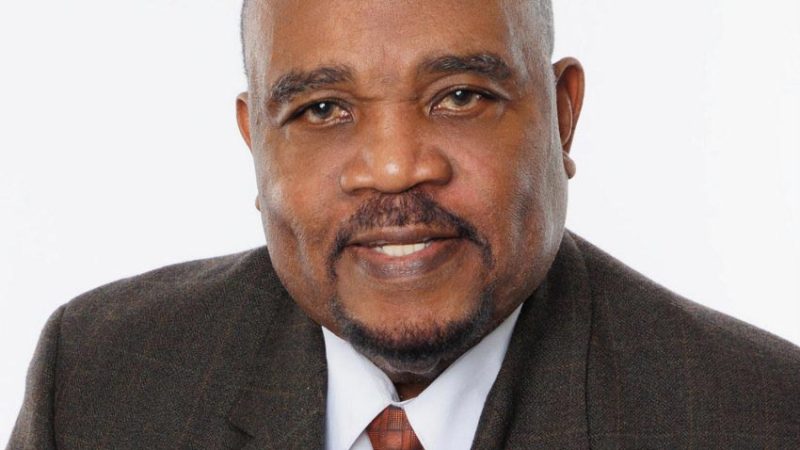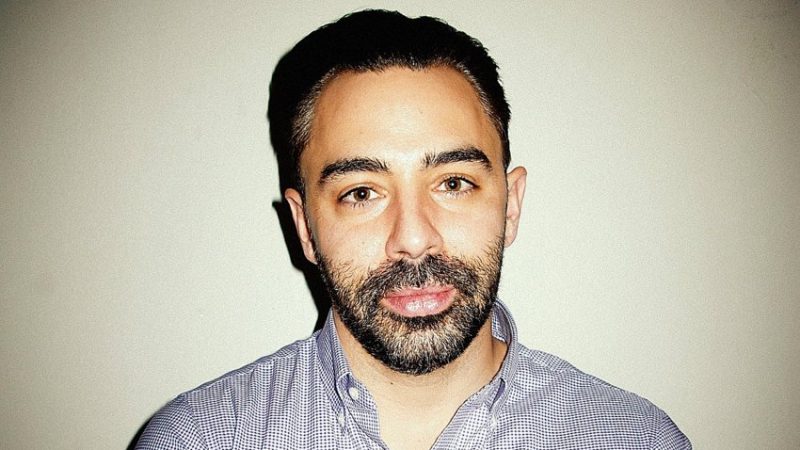
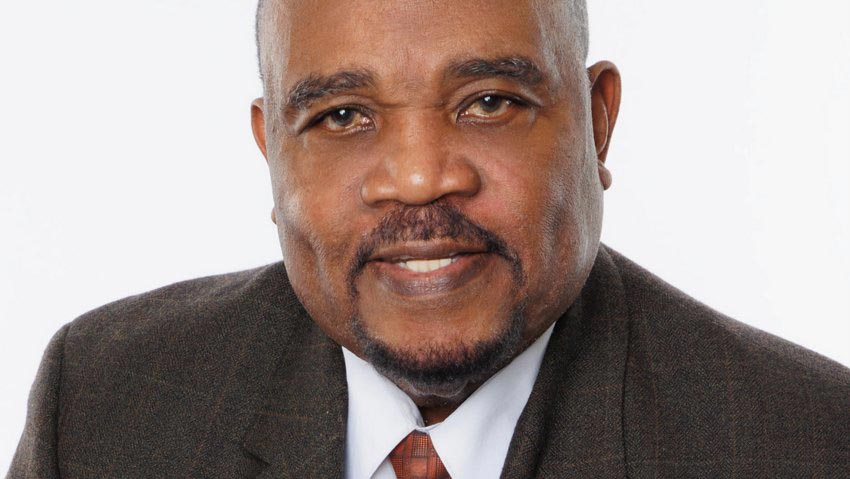
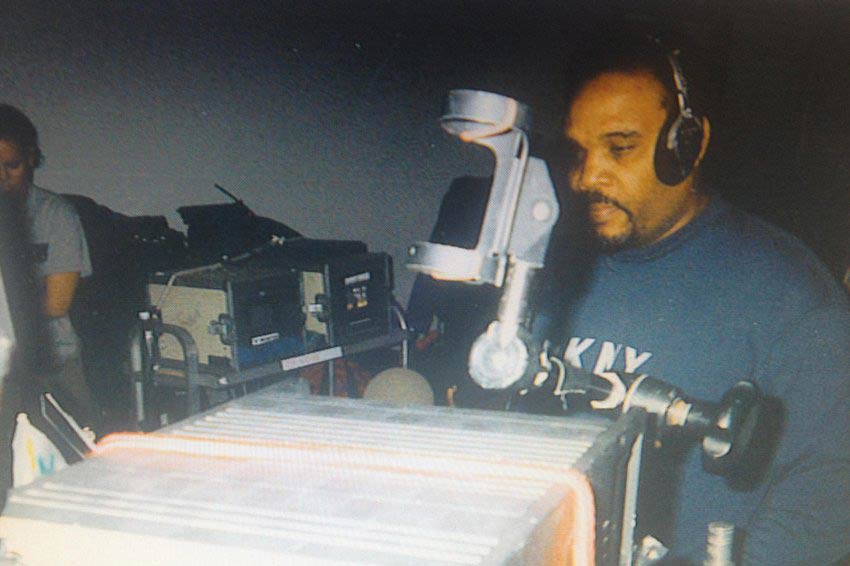
Paul Eliacin is a film director with experience in film, TV, and commercials. Paul physically spent over 30 years as a Teamster on TV sets such as Law and Order SVU. Criminal Intent, New York Undercover and the Sopranos. On the film side, he participated in various projects including Boomerang, One Fine Day, Conspiracy Theory, Men in Black, and the First Wives Club.
He was a crew member of the talk show, The Week In Review. Which aired on WRKS-FM in New York City. In 2004, Paul released his own feature film entitled Up In Harlem. As we speak, he is currently shopping around for distributors for said project so as to orchestrate a re-release of the project. Paul credits Spike Lee as serving as one of his heaviest influences within the industry.
Beyond entertainment, he has the recognition for his heroic contributions as a First Responder. This is during the 9/11 rescue and recovery efforts, dedicating long hours at Ground Zero. This left him struggling with a series of illnesses such as chronic rhinosinusitis, an upper respiratory disease, severe disruptive sleep apnea and post-traumatic stress disorder. He is still mentoring, writing and volunteering as an Outreach Coordinator for the homeless and needy. Staying true to his belief that success is an achievement “with God’s grace.”
indieactivity: Give a background of your personal experience with story, writing, and production of your script.
Paul Eliacin (PE): My experience stems from a signed manuscript script I received in the mail from Spike Lee. That inspired me to research screenwriting, and I started by going to a drama bookstore in New York. One book I distinctly recall is How to Write a Movie in 21 Days by Viki King. There are also a lot of YouTube videos on script structure. I studied those, then outlined my film. I wrote a draft, modeled after Spike Lee’s format, then edited, edited, rewrote, rewrote, and got quality feedback. That goes to show you: all you have to do is put your mind to what you want to do and study it, and anything is possible.
Did you start writing with a cast (you or anyone) in mind?
Paul Eliacin (PE): No. I started writing because I was inspired by Spike Lee’s manuscript. I didn’t even think about turning my script into a movie at first. That came later. Matty Rich’s movie Straight Out of Brooklyn also inspired me.
How long did it take to complete the script? (Do you have a writing process?)
Paul Eliacin (PE): It took me a little over seven months to write my script. I did a lot of rewrites, twists, and idea changes as I went. It was drafting, revising, and constant editing. I ended up with 128 pages. I am self-taught, so I don’t have a formal writing process.
When did you form your production company – and what was the motivation?
Paul Eliacin (PE): I formed my production company when I decided to shoot Up In Harlem, starring Ice-T. I named it Pololo Production, from a nickname my mother gave me: Pololo. It is also the name of my website which is a tribute to my late mother, Claire.
What was the first writing project you were involved with or that was out of the gate?
Paul Eliacin (PE): Straight Out of Brooklyn, by director Matty Rich.
During the production of the trailer or proof of concept, what scene (that made the cut) was the hardest to shoot?
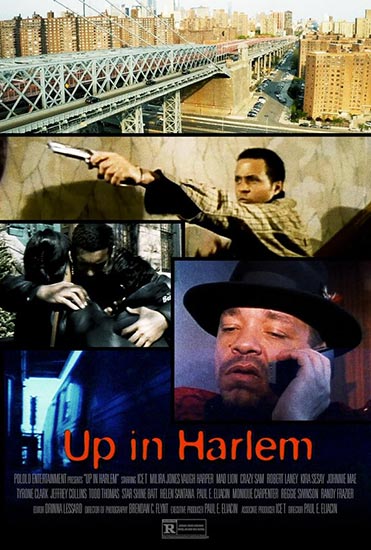
Paul Eliacin (PE): I remember wanting to put train shots in my movie, Up In Harlem, because I wanted that natural New York feel. So, we scouted the highest above-ground train station, which is on Smith and 9th in Brooklyn, where I could see the skyscraper buildings. Ironically, one of the buildings in the background was the World Trade Center.
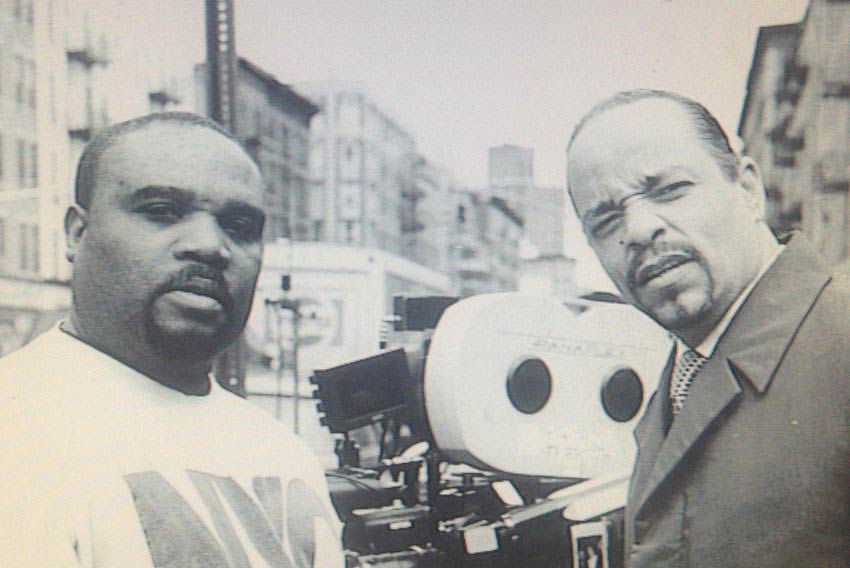
I am now a First Responder, and I’m close to finishing my second movie on that subject, The Lights on 9/11. It was the hardest scene to shoot because my crew had to sneak the movie equipment onto the train platform. We had no permit to shoot there, and a Super 16mm camera is not exactly small by today’s standards. This scene is in the trailer, which can be viewed here: Up in Harlem – Up In Harlem Trailer | IMDb
What works better in this latest production that mightn’t have worked so well in the last one you did?
Paul Eliacin (PE): The cameras. There is no loading of actual film anymore; nowadays you have high-definition digital cinema and broadcast cameras that are much clearer. You use high-speed memory cards or SSD drives, and the result is a cinematic look. It is highly efficient and common to edit straight from these cameras today. I wish I had this technology back when I shot Up In Harlem.
You wrote and directed the film, what measure of input did it take to don those two hats?
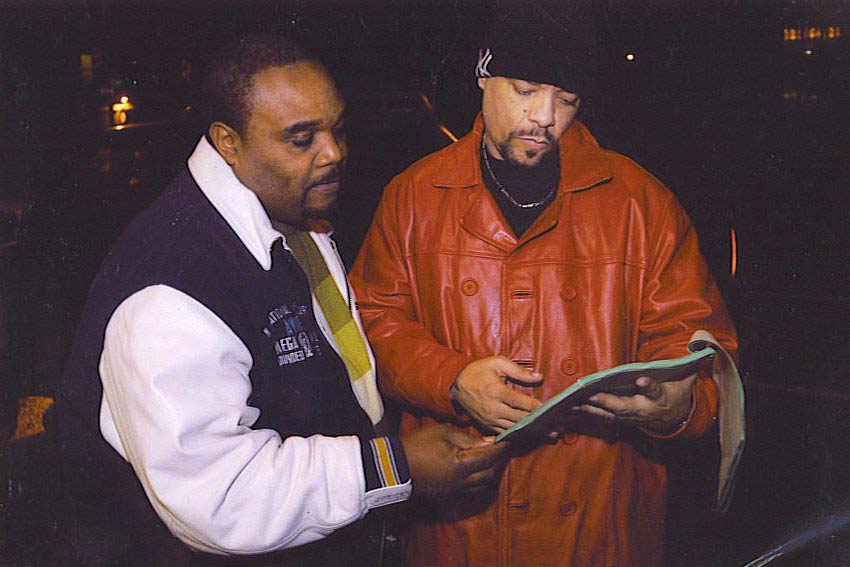
Paul Eliacin (PE): A director has to make several creative choices regarding the visual style of a film. You also have an assistant director (1st AD and 2nd AD) who is your go-between, making life a little easier for you. They organize and manage the scheduling and operations of the daily film set. As for the script, that is managed by a script supervisor, whose job is to monitor continuity, tracking dialogue and action.
The PA, or production assistant, hands each actor what’s called “sides,” which are mini booklets containing their lines for the day. They get these in advance so they can practice their lines. Then you have your daily call sheet, which is passed out the day before. It has everything about the following day’s shoot: how many pages are being shot, the location, how many actors are needed (including background actors), and even the props needed for the day. That said, a director’s job is hard, but there are elements in place to help him wear both hats and have input on both.
Is there anything about the independent filmmaking business you still struggle with?
Paul Eliacin (PE): Yes, funding. If you do not have studio backing, it is hard to get funding for an independent film. You often start with a small budget, but you will almost certainly run out of money. That means a lapse in your shooting schedule, and that means your crew leaving for better opportunities. They have bills, like all of us. It always happens if you don’t have a rich benefactor who believes in you and wants to see you make it. So, you have to try to convince an investor to fund your project.
Where do you think your strengths lie as a filmmaker?
Paul Eliacin (PE): I would start with good communication skills. You have to position yourself as an effective leader. You are working with a crew made up of a lot of different departments, and everyone needs to know their role and how important it is for the whole thing to work. If one person doesn’t show up, no matter the department, it somehow affects the entire crew. Good storytelling matters too. It is impossible to make a film without creativity, and if you are flexible and giving of yourself, you can make a lot happen.
Let’s talk about finance. How did you finance the trailer for the film?
Paul Eliacin (PE): I financed my trailer with my own savings. My trailer for Up In Harlem came from wanting to make a movie that reflected the everyday New York experience, so I focused on skyscrapers and train stations. My very first shot was at the tallest above-ground train stop in New York, on Smith and 9th.
With that shot I was able to get a background of skyscraper buildings, two of which were the Twin Towers of the World Trade Center, which are unfortunately no longer there. Ironically, I am a first responder and was affected by that day in many ways, including several illnesses I live with now. I am close to finishing my second movie, The Lights on 9/11, drawn from five hours of never-before-seen footage and over 300 never-before-seen photos, to honor the families and our fallen heroes. The Lights on 9/11 is a must-see.
How much did you go over budget? How did you manage it?
Paul Eliacin (PE): I went over budget by roughly $32,000, and mostly in post-production. I managed it by dropping non-essential script pages, offering deferred payment plans to some agreeable crew members, keeping a tight grip on every penny I spent, and keeping careful records. I got creative and improvised where I could not afford something.
How important is marketing? Do you think a project can make any dent without it these days?
Paul Eliacin (PE): Marketing is very important, and you want to start early. Before you even begin shooting, you should try to build buzz about your upcoming film to get the public interested. For example, take The Blair Witch Project, – which was a low-budget film that cost between $35,000 to $60,000 to make. It took off through viral internet marketing and grossed over $250 million worldwide. So yes, it matters.
Can you tell us about your marketing activities on the project — and how it’s gone for you?
Paul Eliacin (PE): The Lights on 9/11 are still pretty fresh. I am working on marketing for it as of this interview. I am looking into social media avenues as well. My award-winning editor and co-director, Ms. Taylor McNulty, is doing an amazing job putting together a must-see movie, and I am spreading the word to the public. This is a very important topic. It’s historic; the biggest attack on the U.S. outside of Pearl Harbor.
The families of the victims need to be honored, our fallen heroes need to be honored, and the public needs to be informed about this tragic moment in our country’s history. This is especially necessary for those who weren’t alive when it happened. They must never forget. I am a first responder, and over 5,000 of us have died, which is more than those who died in the attack itself. I currently have poor health from breathing toxic dust while working deep inside Ground Zero, and I take several medications for it.
Thanks to the U.S. government, I don’t have to pay for them. I don’t know when my time will be up, but I want to tell my story before I pass. It is by the grace of God that I am still alive twenty-five years later.
What do you hope audiences get from your film after you finally make it?
Paul Eliacin (PE): Empathy, self-sacrifice, and unity; how everyone came together, no matter their color, nationality, or creed, to accomplish one goal: to help save lives. There is no higher calling than saving lives. I hope audiences come away honoring the victims and first responders like myself, while preserving the memory of those who lost their lives or risked everything to save others. Further, I hope this helps the younger generation, who did not live through this tragic event, understand its historical significance: the endurance of human goodness, and a commitment to remembrance.
Tell us about how you intend to make your pitch for the feature to the studios interested?
Paul Eliacin (PE): In this business, you always want a short pitch deck, and you need to practice a five-minute verbal pitch. Because when you get in front of someone important who could greenlight a deal, you don’t want to stumble, and you won’t have much time. So, practice a compelling hook for the listener: why this story matters now.
Do you have the feature script written? How do you expand a short into a feature length script?
Paul Eliacin (PE): When you shoot a short, you are always working toward an ending. As you develop your character, you just keep writing and adding character to your story.
What else have you got in the works?
Paul Eliacin (PE): My film, The Lights on 9/11, is nearly complete, and it’s a must-see. You’ve watched the news coverage, and you may have even seen a documentary or two on the subject, but I promise you, this one is different. It is built on raw, never-before-seen footage shot deep inside Ground Zero, in places where television cameras were not allowed. I had to sneak a camera in to get those shots, plus over 300 never-before-seen photos.
Let’s have your comments below
Socials
Website
IMDb
LinkedIn
FILMMAKER INTERVIEWS