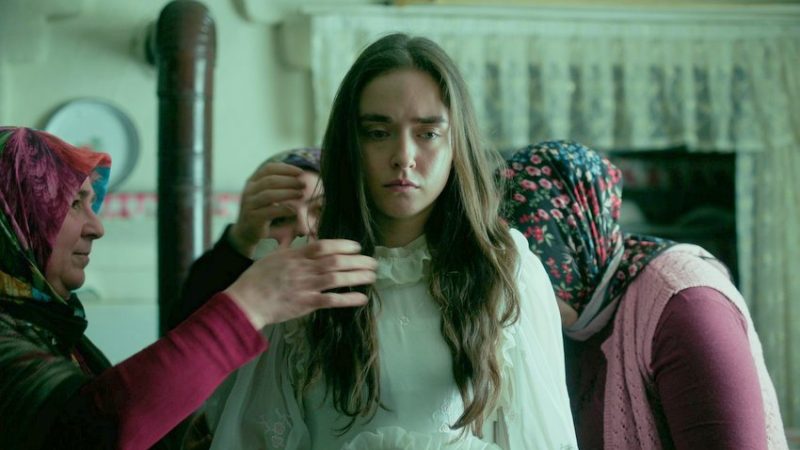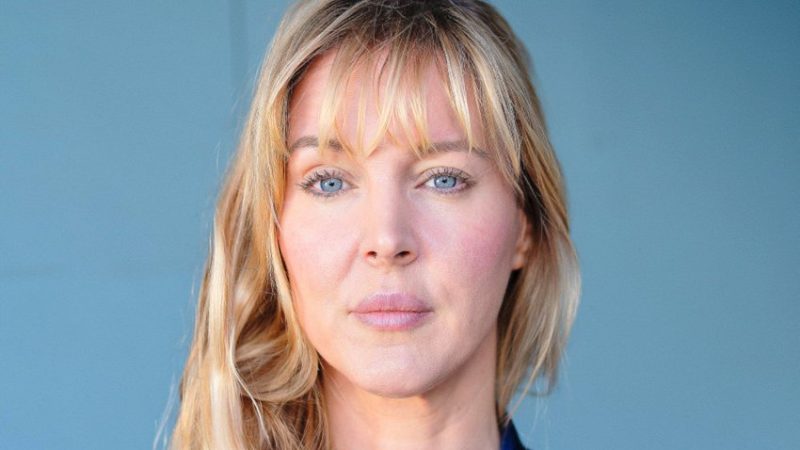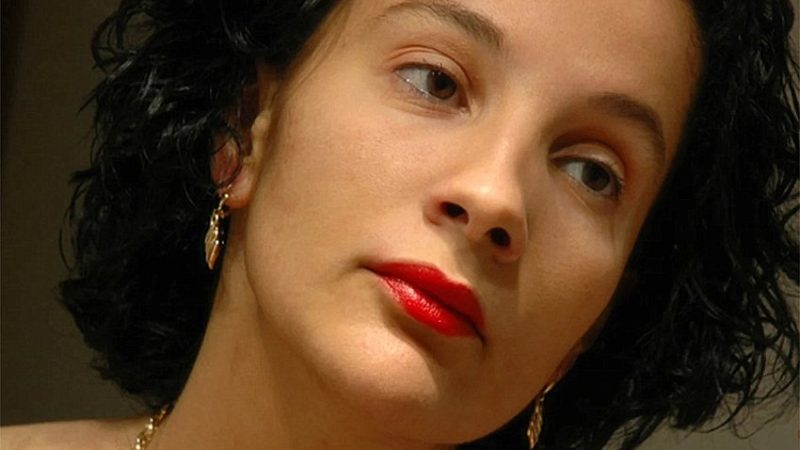
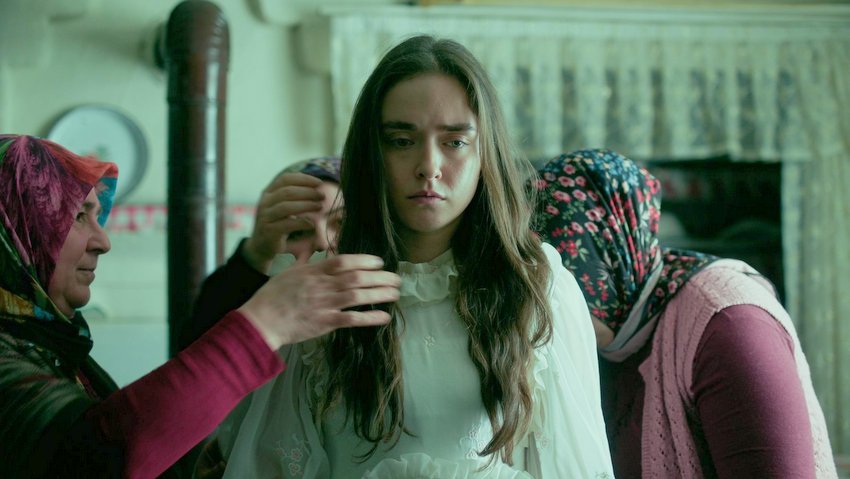
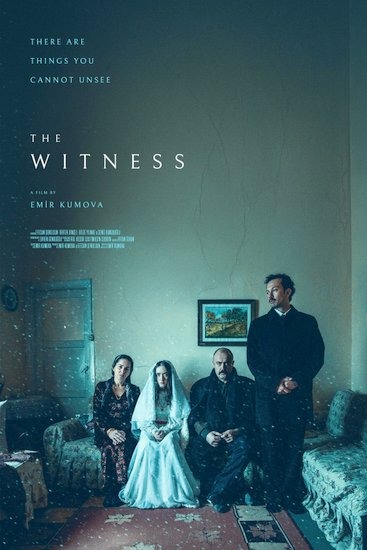
Written and directed by Emir Kumova. THE WITNESS explores the forces that allow child marriage to continue, including tradition, fear, social pressure and the normalisation of injustice. Rather than depicting child marriage only through the experience of its victim, THE WITNESS places much of its focus on the people who see injustice taking place around them. The film asks what it means to recognise wrongdoing in an environment shaped by family, tradition and social pressure, and whether witnessing something without acting carries a responsibility of its own.
indieactivity: How did you get into directing? How would you describe your style?
Emir Kumova (EK): I always wanted to be involved in filmmaking. I moved to Los Angeles to study film. As I gained experience of sets. I really started to understand that I wanted to be on the directing side. That is telling the story and being involved in every part of the process. As for my style, I think I’m generally gravitated towards visual storytelling.
I like when the audience can understand something without the characters explaining everything. I like creating tension slowly and letting the audience notice small details and put things together themselves. So I would say my style is more subtle and atmospheric. I don’t like to tell the audience exactly what to feel. I prefer to create the situation and let them experience it themselves.
Do you hire a casting director, or do you like to choose the cast yourself? If so, what criteria go into your casting?
Emir Kumova (EK): That depends on the project. I usually prefer casting myself or at least be heavily involved in it. Of course, acting ability is very important, but I also think looks are important for a character. Someone can be a great actor. But, they still have to fit the character visually and feel right for the role.
When you’re directing a project, you already have a certain vision in your head. This vision inclides for how the character should look and feel on screen. So I pay attention to that as well. I’m looking for the whole package. That includes “how they look”, “how they carry themselves.” “How they act”, and whether I can really believe them as that character.
For this project, I did have some recommendations brought to me. And there were very skilled actors and actresses that I considered. But I decided not to go with them simply because I didn’t feel that their visual appearance fit these characters. I had a certain vision of the characters in my head. And, I needed the actors to fit into that world.
What went into the casting process for “THE WITNESS”?
Emir Kumova (EK): Casting was very important for this film. Because, I wanted the characters to feel like real people, not like actors playing a role. Especially because the story is dealing with a very sensitive subject, I didn’t want anything to feel exaggerated.
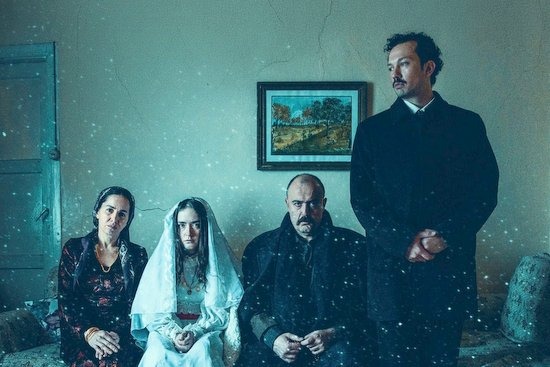
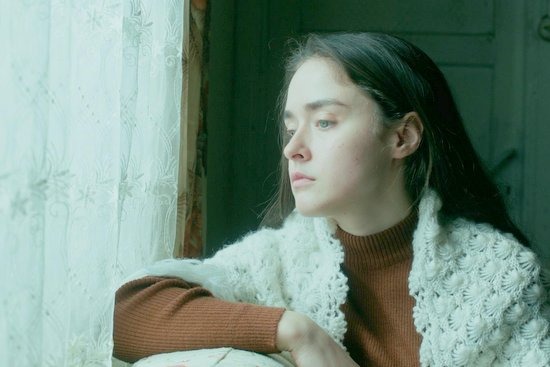
For Ramazan, I needed someone who could communicate a lot without saying much, because he is mostly observing what is happening around him. For Ayşe, it was also very important to find someone who could bring a sense of innocence and vulnerability without making the character feel overly dramatic.
We spent a lot of time looking at different actors, and I was really focused on their natural presence and how they felt together on screen. I wanted the audience to believe that these people really belong in this village and in this wedding. For the background and extras, we casted locals from the village who had no acting experience before in front of a camera.
Without giving anything away, tell us a little bit about the script, how did you come up with the idea?
Emir Kumova (EK): Without giving too much away, the story takes place during a wedding in a small village in Turkey. We follow Ramazan, who is a young teacher and kind of an outsider in this community. He comes to the wedding thinking it’s going to be a normal celebration, but slowly he starts noticing things that don’t feel right. The idea actually started when I was seeing a lot of news about violence against women and children. It was something that really bothered me and stayed in my mind.
I started thinking about how many times we hear about these things, but we are usually only seeing the situation from the outside. So I wanted to address similar situations but instead of seeing the story from the victim’s point of view, I wanted to explore that feeling of witnessing something that is wrong, and what happens when you are actually there, in the room, and you have to decide how to react. That became the starting point for the story and for Ramazan’s character.
Who is “THE WITNESS” for? Who do you think would enjoy it the most?
Emir Kumova (EK): I think it’s for a pretty wide audience. You don’t have to be from Turkey or have any connection to the subject to understand the story. I think people who enjoy films that make you think and leave some things for the audience to discover would probably connect with it.
It’s not a film where I’m trying to explain everything to you. I want the audience to experience the situation through Ramazan and ask themselves, “What would I do if I were there?” So I think anyone who enjoys more psychological, slow-burn stories, where you notice small details and think about the film after it ends, would probably enjoy it.
How long did it take to shoot the entire film?
Emir Kumova (EK): The filming took two full days around 14 hours each. It was a pretty intense shoot because we had a lot to cover in a short amount of time, but we had a very detailed plan before we started. Since the film relies a lot on small details and the actors’ reactions, I wanted to make sure we didn’t rush those moments. So even though the schedule was tight, we tried to give each scene enough time to get what we needed.
How long was the post-production process?
Emir Kumova (EK): Post production took about a month and a half. Editing took about two to three weeks and then coloring was a two day session with minor revisions. The music and sound were being done simultaneously as well as the coloring. I edited the film myself so that part was a bit faster. The rest of the crew, such as the colorist, composer, and sound designer, were working on other projects at the same time, so due to scheduling, our total post production time took longer than it should have.
The film had a lot of talent working behind the scenes as DPs, sound designers, composers, etc. Why is diversity important both in front of and behind the camera?
Emir Kumova (EK): It is important because every person brings a different perspective and a different way of seeing things. When you have people from different backgrounds working on a film, you get different ideas and different approaches that can make the film better. For me, it’s not really about filling a certain position just for the sake of diversity. It’s about finding talented people who are good at what they do and who can bring something different to the project. Especially on a film like this, where the story is very sensitive, I think having people who care about the material and bring their own perspective to it was very valuable.
What are your goals with “THE WITNESS?
Emir Kumova (EK): The goal with this film is for it to reach as many people as possible and hopefully stay with them after they watch it, while raising awareness about similar issues. Of course, I would love for the film to be recognized on a larger scale. But more importantly, I want people to connect with the story and think about what they would do if they were in the character’s position. The subject is very difficult, but I didn’t want to make a film that simply tells people what to think. I wanted to create an experience where the audience discovers what is happening and then has their own reaction to it. So if someone finishes the film and keeps thinking about it, or even has a conversation with someone else about it, I’d feel like we achieved something.
What would you recommend to a new director at the beginning of his/ her journey? Any special courses, workshops, helpful books they can read?
Emir Kumova (EK): I would say just make films. I think you can read a lot of books and take a lot of courses, but at some point you just have to go and make something. When I was studying film, I learned a lot from school, but I think I learned even more by actually being on set and making mistakes. You learn what works and what doesn’t by doing it.
I would also say watch as many films as you can, especially films from different directors and different countries. Try to understand why a director made a certain choice, why they placed the camera somewhere, or why they decided not to show something.
Who is your favorite director? Why?
Emir Kumova (EK): I would say Nolan is probably one of the few directors that I highly get inspired by. I really like the way he trusts the audience and doesn’t always explain everything to them.
He creates these very detailed worlds, but he still leaves room for the audience to figure things out themselves. I also really like how he builds tension and uses small details that become important later.
That’s something I try to do in my own films as well. I don’t want to give the audience every answer. I like when they have to pay attention and maybe even think about the film after it ends. When you ask a favorite director question, I have to mention the name Scorsese also.
What advice would you give directors around the world?
Emir Kumova (EK): I would say don’t make all the decisions by yourself. Surround yourself with people who trust your vision, but also give them the freedom to bring their own ideas and experience into the project. You have your vision as a director, but filmmaking is a collaborative process. I think the best results happen when you allow the people around you to add their own creativity and perspective, instead of just telling everyone exactly what to do.
So I would say find people you trust, communicate your vision clearly, and then give them the space to contribute to it.
Let’s have your comments below
Socials
IMDb
Instagram
YouTube
Vimeo
FILMMAKER INTERVIEWS