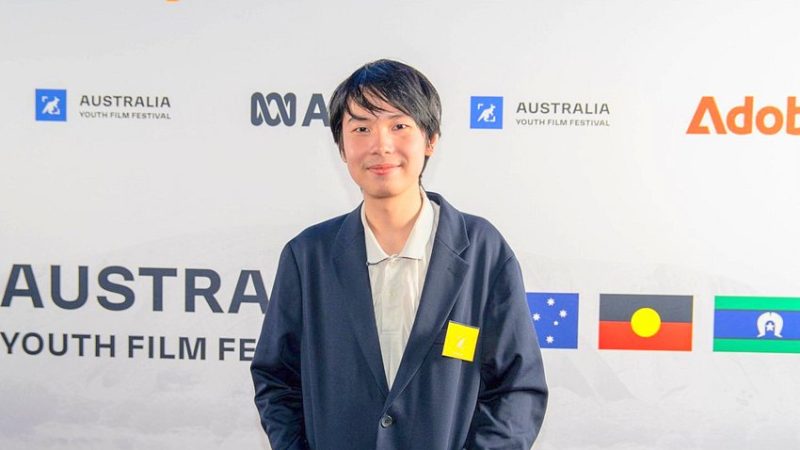
I made a short film my senior year of high school. It went viral, sold to Sony and Darren Aronofsky. Then it made me the youngest director to land a major studio deal. Now I’m building the studio I wish existed. One that lets the internet greenlight the next generation of films and shows.
indieactivity: How did you get into directing? How would you describe your style?
Wesley Wang (WW): So from when I was 12 to 17, I made a ton of short films. Commercials, and music videos with my friends. Most of them were super low budget and terrible, and for my first ones I used to hire my Dad and my brother’s friends to play roles like serial killer and cop. I still posted them on YouTube anyway, even though they never got more than 1,000 views.
You can still find the earliest on my YouTube, which I haven’t taken down just for archiving purposes. Most of these were just me experimenting and getting better at my craft. In between, I went to NYFA summer camp and took a screenwriting class at USC, which reinforced my love for the craft. I would describe my style as creating things that are nostalgic and beautiful and resonate with me – I find that every time I believe in myself or an idea I have it works out for the best.
You recently launched Wesley Wang Media. Why and what did you want to do differently?
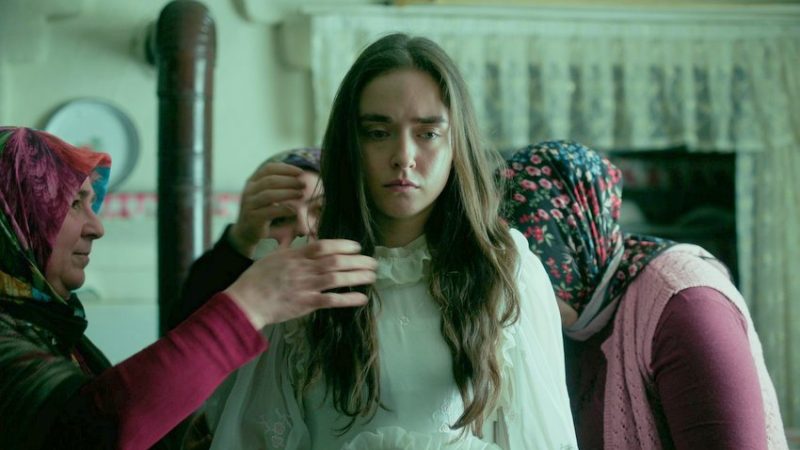
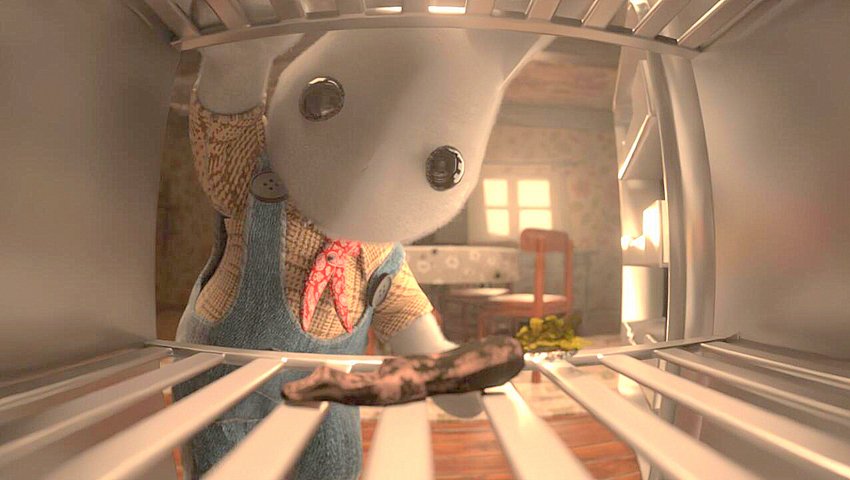
Wesley Wang (WW): After nothing, except everything., I pitched the feature anywhere I could, knocking on doors and cold-emailing, for about a year. No one really paid attention until it took off on YouTube. That showed me audiences are the real leverage. So WWM takes small bets on ambitious ideas and creators and incubates them from the ground up. We want to remove the gatekeepers that Hollywood has in order to democratize filmmaking.
Watch Violet and Marlowe Rob a Bank (“Feel it All Again”)
You describe WWM as “the studio I wish existed.” What’s it mean? What’s missing from traditional filmmaking?
Wesley Wang (WW): A place that takes you seriously because of your ideas, not your résumé, and actually understands the internet. What’s missing from the traditional process is proof of audience. Most projects get decided in a room of executives – we’re seeking to prove creators’ incredible concepts using public audiences in real time so that we can scale what works.
WWM is built around the idea that “the audience is the greenlight.” What does that mean in practice, and how do you see audiences influencing what gets made?
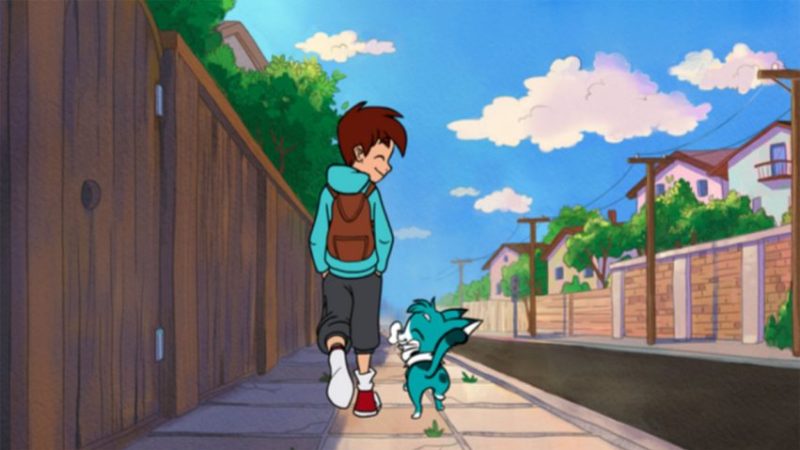
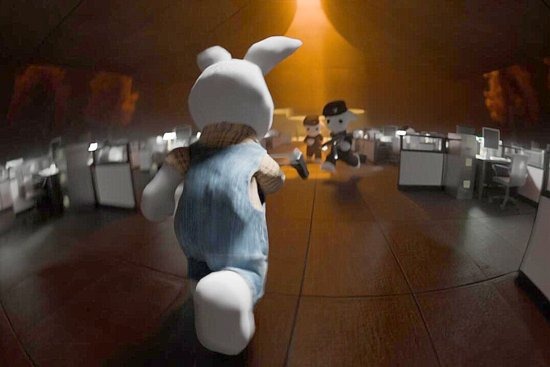
Wesley Wang (WW): We put ideas online first and pay attention to what people respond to. If something builds a real community, that’s our signal to keep investing. Violet and Marlowe Rob a Bank hit 10 million views across platforms in 24 hours, and that response is a huge part of why we’re building it out further. The internet, not a room of executives, should greenlight the next wave of movies and shows.
You’ve launched WWM with Caellum Allan as Head of Film & Television. What went into putting the team and company together, and what were you looking for in the people you wanted to work with?
Wesley Wang (WW): We’re a small team, and we have to be very intentional with where we put our time, so I wanted people who move fast, care about creators, and understand both the traditional industry and the internet. Caellum brings over a decade of experience on the film and TV side from his time at Netflix and Sony, which matters so much for taking IP that’s found its audience online and growing it into something bigger.
One of the biggest parts of the launch is the $100,000 filmmaker competition. What inspired you to create the competition?
Wesley Wang (WW): Honestly, it’s the opportunity I wish I had when I was starting out. We’re giving $100,000 to a stranger on the internet to make their dream movie, short, or series. The end goal of the project is to host a bootcamp in New York City where not only compete for the $100k prize to make their own film, but also creators can learn and grow from one another, and all of it will documented in a YouTube series. It’s also a public way to show what the studio believes at a fundamental level.
The competition is open to filmmakers regardless of whether they have a degree, agent, reel or previous credits. Why was it important to make the opportunity accessible in that way?
Wesley Wang (WW): None of those things tell you whether someone has a great idea. There are a lot of original, ambitious voices online who’ve honed their craft for years and don’t have an agent or a film degree. If we required those things, we’d just be rebuilding the same gates that already exist in the industry.
What are you looking for when you watch the one-minute pitches? What makes an idea stand out to you?
Wesley Wang (WW): An incredible idea backed by a person who clearly needs to make it. A pitch can be as simple as a talking head or as elaborate as a full trailer. Production value isn’t the point. We want to know who you are, what you want to make, and why. We’re excited about original and incredible ideas – not just followers or preexisting status.
Ten filmmakers will ultimately be brought to New York, with one receiving $100,000 to develop their idea with WWM. What do you hope to achieve through that process?
Wesley Wang (WW): The finalists will spend a few days in New York that feel more like a camp than a game show. They’ll bond, learn from guest speakers, take on filmmaking challenges, and grow together. Beyond the prize, it’ll introduce all ten creators to a bigger audience and help demystify Hollywood.
Without giving anything away about the selection process, what would you say to filmmakers who might be wondering whether their idea is worth submitting?
Wesley Wang (WW): Just submit it. It takes a minute, and the ideas people are most nervous about are often the most original ones. Don’t wait for it to be perfect.
How much of your own experience as a young filmmaker went into creating an opportunity like this?
Wesley Wang (WW): A lot of it. I spent years cold-emailing people, entering festivals, and knocking on doors, and things only really changed once an audience found my work. This competition is a way to make it a little less about luck for the next person and provide them with the opportunity to get their incredible work and ideas in front of people.
WWM is working across film, television and other forms of storytelling. What kinds of projects are you most interested in developing, and what makes a project feel right for WWM?
Wesley Wang (WW): Original IP with a strong hook and a creator who’s deeply invested in it. Genre matters less than ambition. A project feels right for us when it can start small online, build a real community, and grow from there. The project and creator has to be right – we’re seeking work that resonates on the internet and pushes the boundaries of what’s traditionally possible with creator projects.
What are your goals for Wesley Wang Media? What would you like the company to look like in the next few years?
Wesley Wang (WW): Our ultimate goal is to become the destination studio, where we can take an IP from a seed of an idea to a franchise in-house, through theatrical, sponsorships, merchandise, and more. Direct-to-consumer infrastructure is still early, so for now we use digital platforms to build audience attachment, and we’ll keep developing that end-to-end muscle over the next few years.
What’s next for you? What are you working on right now?
Wesley Wang (WW): Right now it’s the competition and the YouTube series around it, plus continuing to build out the world of Violet and Marlowe. There are a few other projects in development I’m excited to share soon.
What would you recommend to a new filmmaker at the beginning of their journey, especially someone who doesn’t have traditional industry connections?
Wesley Wang (WW): Make things and put them out. You don’t need as much permission or connections to find an audience anymore, and an audience is the best leverage you can bring into any room. And cold-email people whose work you admire.
What advice would you give filmmakers around the world who have an idea but aren’t sure how to get started?
Wesley Wang (WW): Start smaller than you think. Find the one scene or moment that captures your idea, make that, and share it. Wherever you are, the internet gives you access to an audience that wasn’t previously available.
Let’s have your comments below
Socials
Website
IMDb
Instagram
YouTube
FILMMAKER INTERVIEWS