From Riverboat Gambling to Sweepstakes Apps: A Hundred Years of Casinos on Screen
The Mississippi Gambler
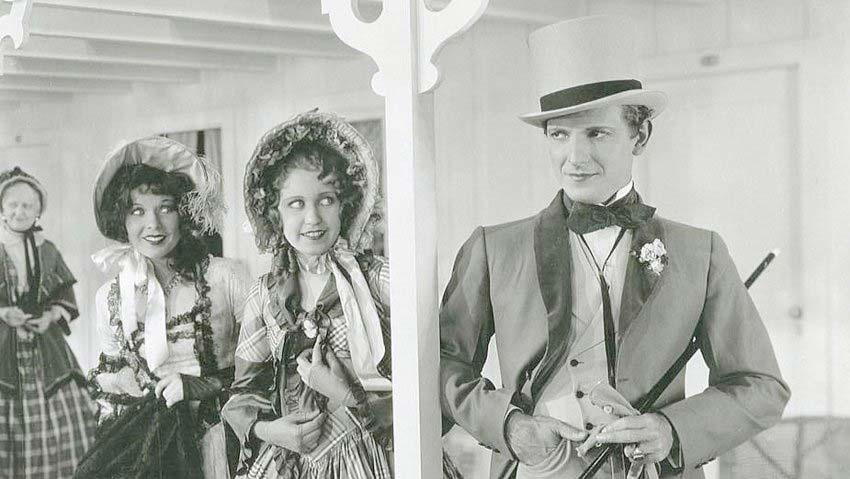
A film called The Mississippi Gambler reached American cinemas in 1929. Universal released it in both silent and sound versions, which puts it right on the edge of one of cinema’s biggest technical changes. The story used a Mississippi riverboat, poker and the familiar figure of the professional gambler. That image stayed around for decades. Riverboats gave way to casino floors, private poker rooms and Las Vegas, but film kept coming back to the same objects because everybody knew what they meant. What took longer to change was the role of the screen itself.
At first, the audience only watched
For most of film history, gambling on screen is only for view alone. It was part of movies and television, and we watched movies where characters engaged in gambling. But while we watched those characters play, we as the audience were still outside it. Computers altered that in a very practical way. Once games could run on a personal computer, cards, reels and roulette wheels no longer had to be filmed. They could be recreated in software and controlled directly from the screen. That sounds obvious now because we have had decades to get used to it. At the time, it was a fairly large change.
A casino game no longer needed a casino floor, a physical machine or even a film set. Then the phone removed the desk as well. Apple launched the App Store in 2008 with more than 500 apps available at the start, and games were a major part of the app store right from the beginning. Within a few years, mobile gaming was ordinary enough that people stopped thinking of the phone as a device that happened to run games. It was simply one of the places games lived. Casino-style games followed the same route.
The games were old, even when the delivery was new
This is the part that makes the history slightly odd. The hardware changed again and again, but many of the games barely needed to. Roulette still had a numbered wheel. Blackjack still used cards. And although slots are easily understandable as the signs and symbols are forever relatable, the surrounding systems changed much more. Online casinos brought account-based play. Live casino added streamed dealers and real tables. Mobile versions compressed everything into a screen that people were already carrying for completely unrelated reasons. Sweepstakes casinos came later and use another structure again.
They generally operate with virtual currencies rather than the direct real-money model used by conventional online casinos. Gold Coins are normally used for social-style play, while Sweeps Coins can be connected to prize redemption under the rules of a particular platform. That is why what should players know about sweepstakes casinos? is not really answered by looking at the game thumbnails. Two sites can both show slots, table games and live-style titles while using different coin systems, redemption rules and availability by state. The games can look familiar long before the business model does.
Cinema had already done the visual work
There is also a reason digital casino games did not have to invent much of their visual language. Movies had spent decades making gambling easy to recognize. A green table meant something. Chips meant something. A roulette wheel did not need a caption. Slot machines became just as obvious. Digital versions are still familiar and kept everything the same for an easy transition, even when a slot has nothing remotely physical about it, it still uses reels. A live blackjack stream still keeps the cards and table in familiar positions. Roulette software still looks back toward the physical wheel.
The newer formats are not copies of old riverboat gambling, and it would be misleading to pretend they are. What connects the two is much simpler. Casino play has been sitting on screens for a very long time. The difference is that the screen gradually stopped being just a place where people watched it happen. In 1929, The Mississippi Gambler put the card game in front of the audience. A century later, the card game can be running on the same screen in the audience’s hand.