indieactivity: How did you get into directing? How would you describe your style?
Jeremy Max (JM): My journey getting into directing was a circuitous one. I always loved movies and especially all the little trivial facts surrounding them but I never saw it as a career for myself. When I saw Alfred Hitchcock’s staggering masterpiece Vertigo everything changed for me. I was, for the first time in my life, truly moved by a piece of art. The raw emotion it stirred in me is something I’ve been chasing ever since. In that moment, I realized that if I could create that same feeling for an audience, I would be fulfilled. That’s when I really fell in love with filmmaking and saw it as a career path for me.
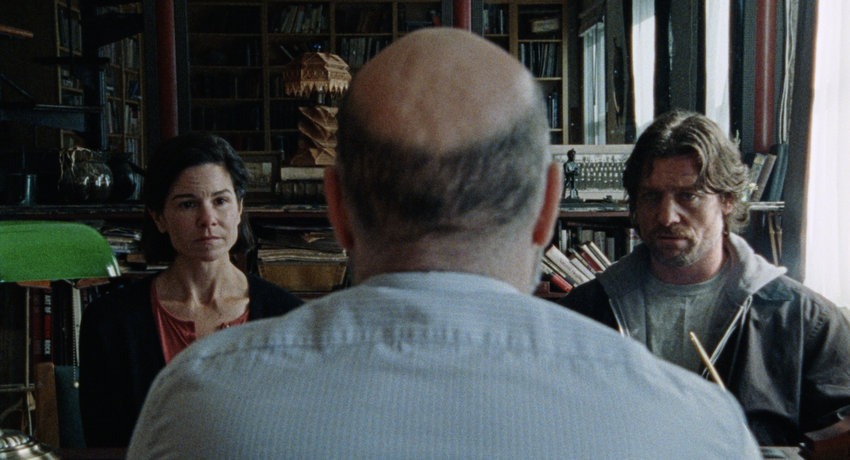
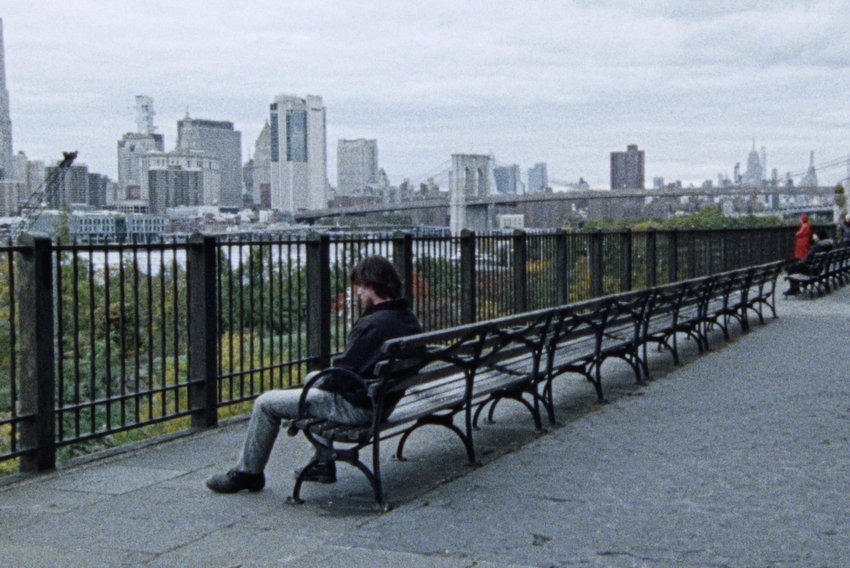
My style is largely driven by exploring characters undergoing deeply intense existential or identity crises. My films tend to be very moody, I love being able to craft a visceral atmosphere. I’m also drawn to concept-heavy stories. Visually, I gravitate toward still, painterly, and impressionistic imagery. I also love having stylized work that has touches of surrealism. Heavy shadows and contrast play an important role in my films when necessary.
Do you hire a casting director, or do you like to choose the cast yourself? If so, what criteria go into your casting?
Jeremy Max (JM): I did hire a casting director. Hilary Greer led the casting process. She did a fantastic job at building the cast out around our lead actor, John Duddy, who was offered the role before anyone else was cast.
When casting, I look for a singular human quality in every actor. I’m not looking for big, broad performances. I prefer a quiet intensity. Actors who can communicate with their eyes. The eyes reveal so much. Being able to peer into a character’s soul is a herculean effort. When you cast the right person, your chances of achieving that increase colossally
What went into the casting process for “Bleeder”?
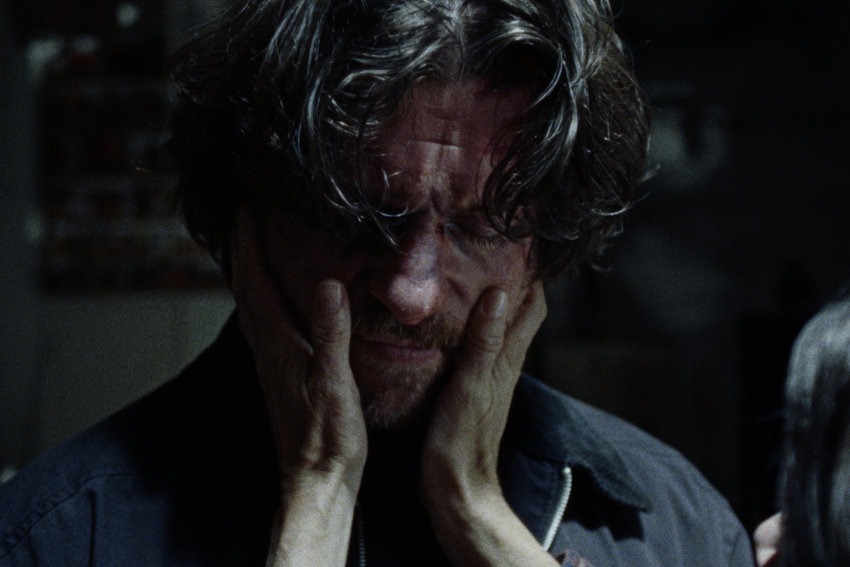
Jeremy Max (JM): Like I mentioned, John Duddy who plays Bleeder, the titular character, was offered the lead role. His past as a professional boxer and someone who constantly put his body on the line made him feel like a natural choice for the role. There is an unspoken darkness to his performance. His quiet and brooding style of acting was a perfect complement to the character.
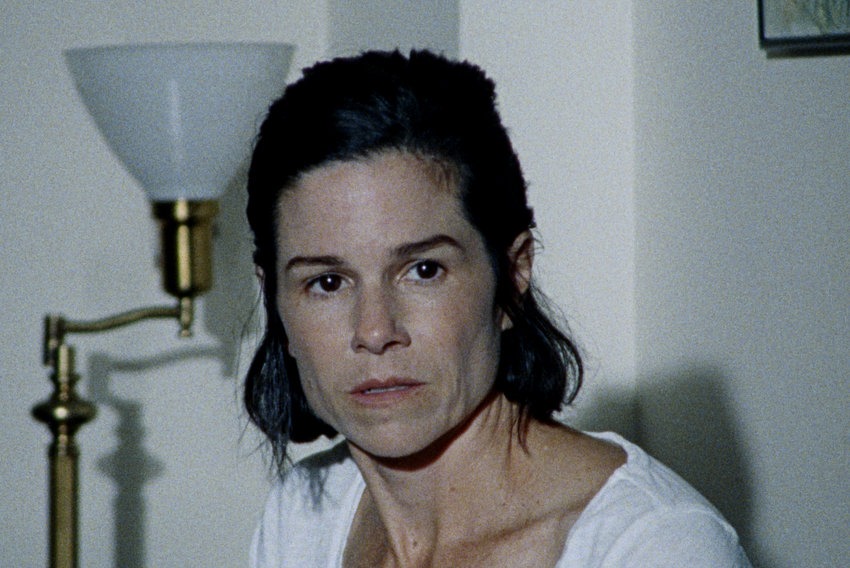
Outside of John, Hilary did a fantastic job rounding out the supporting cast. Natalie Roy plays Mel, Bleeder’s compassionate and emotionally intelligent wife. Finding Mel was the single most difficult challenge because she’s the emotional anchor of the film. When I saw Natalie audition, I noticed a raw and deeply human portrayal that made it clear to our team that she was the only person who could play the role. Soon, every other performer fell into place and the result is an ensemble that is truly breathtaking.
Without giving anything away, tell us a little bit about the script, how did you come up with the idea?
Jeremy Max (JM): I’ll try to be as coy as possible, but essentially the film is about a man who is hired to get beaten up through an illicit underground service. Over the course of the film, he undergoes an existential transformation as his worldview begins to unravel.
The idea was born from a place of deep malaise in my life. I had stopped enjoying the things I loved, especially going to the movies. It started to feel like work, and I simply lost the joy in it. That idea spawned this story about someone who quite literally refuses to allow himself any pleasure and instead chooses to be in a perpetual state of pain. The story was further shaped by a personal family tragedy, which serves as the emotional nucleus of the story.
Who is “BLEEDER” for? Who do you think would enjoy it the most?
Jeremy Max (JM): I truly believe there’s something in Bleeder for everyone. That may sound like a cop-out but I think it explores a very universal theme of what do you do after a profound tragedy? How do you pick up the pieces? What does it mean to live through something like that? I think the film will resonate especially with people who have experienced grief.
How long did it take to shoot the entire film?
Jeremy Max (JM): We shot the film over four grueling days. Since the story takes place primarily during the daytime, we had split production days. We shot from 6 AM to 6 PM every day. It’s safe to say we were pretty tired by the end of the shoot but we’re thrilled with what we captured.
We also shot on 16mm film so it required far more precision compared to my previous experiences shooting digitally. We could be in the middle of a take and run out of film and have to take the time to reload. Checking the gate for any debris, hairs, or dust before moving on to a new setup was another bottleneck. It’s a completely different beast, but it was incredibly rewarding.
How long was the post-production process?
Jeremy Max (JM): We were in post for around six months.
The film had a lot of talent working behind the scenes as DPs, sound designers, composers, etc. Why is diversity important both in front of and behind the camera?
Jeremy Max (JM): It’s incredibly important to have a wide array of diverse voices involved in the process. I really like to champion my crew while they work because they are the ones who help transform the vision I have in my head into an executable reality. I’m very open to suggestions, obviously within reason, so having a strong symphony of creative voices is key. Every department plays a vital role in shaping the final product and I find that you are only as good as the people around you.
What’s next for you? What are you working on right now?
Jeremy Max (JM): Funnily enough, I’m adapting Bleeder into a feature. I’m currently deep in the development process, with the short’s producer, Scott Aharoni, attached. I’m hoping to go into production sometime next year. I also have a few other projects I’m developing and writing that I hope to make down the line.
What are your goals with “Bleeder”?
Jeremy Max (JM): Hopefully, to move people. It’s a very emotionally potent film and if I achieve what I set out to do, audiences will be moved by what I consider a deeply affecting experience. Obviously, it would be great to get this thing seen by as many people as possible and hopefully attract enough attention so I can continue to do this crazy thing.
Since I’m adapting the short into a feature it would be great to make some noise on the festival circuit (starting with our world premiere at the Oscar-Qualifying HollyShorts Film Festival). Hopefully we can screen at a few more prestigious festivals along the way. Ultimately, I care deeply about the work and the experience. If people resonate with what I’ve created, then I’ve done my job and then some.
What would you recommend to a new director at the beginning of his/ her journey? Any special courses, workshops, helpful books they can read?
Jeremy Max (JM): I tend to think that the best way to learn about filmmaking is to watch and make films. Watch two films a day if you can. Study them mechanically (there are a lot of ways to skin a cat). Distill what the film is saying, how it executes that idea, and through osmosis, try to apply those lessons to your work. I think the only way to get better is through a baptism by fire. Actually doing the thing.
Who is your favorite director? Why?
Jeremy Max (JM): This is a great question. Rather than naming just one, I like to mention my Mount Rushmore of favorite filmmakers because it’s impossible to pick a single one out of the bunch. My first love was Hitchcock, so he is definitely there. Mostly because of his riveting taut thrillers and his consistency project to project.
I’d also say Peter Weir is on there, an oft overlooked filmmaker whose contributions to cinema are among the greatest ever. His impressionist masterpiece Picnic at Hanging Rock is one of the scariest films ever made. It’s a bone-chilling mystery that has stayed with me since I first saw it. The Australian New Wave is truly something special.
Paul Thomas Anderson is such a chameleon. His films feel so vastly different from one another in terms of thematic exploration, tone, and mood. Punch-Drunk Love is an all-time favorite.
I’d also include Robert Altman for his deft ability to work with large ensembles and the singularity of his films. All of these filmmakers have inspired me tremendously.
What advice would you give directors around the world?
Jeremy Max (JM): I’m not so sure what I could offer to directors in terms of advice, but I think the most important thing is to keep creating. Study the game. Watch every film you can, read every script, and set realistic goals while building your filmography brick by brick. Cinematic voice and emotion trump all. You can make a compelling film with very little money as long as your voice is strong and true.
Let’s have your comments below
Socials
Website
IMDb
X
Instagram
Vimeo
FILMMAKER INTERVIEWS
Actress Victoria Guthrie Demystifies Her Work
By Samantha Blackwell (Twitter)