Independent filmmakers often work with limited resources, but creating a memorable atmosphere does not always require a large post-production team. A filmmaker can carefully chose audio elements to shape the emotional tone of a scene. The same way they effectively can in the case lighting, camera movement, or editing. Among the most versatile tools available are drones sound effects. Which help establish tension, anticipation, and emotional depth long before the audience consciously notices the soundtrack.
Sustained drone textures are versatile and can apply in different situations. Such as producing a festival short, documentary, or independent feature. The sound effects give scenes greater continuity and emotional weight without adding unnecessary complexity to the process. Used thoughtfully, they become a subtle foundation that supports dialogue, visuals, and pacing. While helping an entire project maintain a consistent cinematic identity.
What a drone actually does in a scene
A drone is not a sound effect in the traditional sense of a clearly identifiable action. It has no obvious source. No clean attack, no moment where the audience can point and say that is what made that noise. Instead it works underneath a scene. Colouring how a hallway, a basement or an empty street is perceived before a single line of dialogue is spoken.
This is precisely why a short documentary or a no-budget thriller can borrow techniques usually reserved for larger productions. A filmmaker pulling from a set of drones sound effects can place a single sustained texture under an entire scene and achieve an emotional shift that would otherwise require a composer, a session and a budget the production simply does not have.
A workflow built for small teams
On a low-budget set, the same person is often directing, editing and mixing. That reality shapes how sound gets used. Rather than commissioning custom cues, many independent editors build a small personal archive of textures they know well and reuse across projects, adjusting pitch and length to fit each new scene rather than starting from scratch every time.
A handful of situations come up often enough on indie sets to be worth planning for in advance:
- An interview segment needs a near silent drone to keep dead air from feeling empty.
- A slow establishing shot benefits from a rising drone that builds without resolving.
- A festival trailer often layers two drones at different pitches for extra depth.
- A documentary reveal works well with a drone that fades out just before dialogue starts
Building familiarity with a small set of these textures, drawn from a broader sound effects library, lets a solo editor move quickly without second guessing every choice during a late night edit.
Keeping the feel consistent across a project
A short film or a documentary series lives or dies on tonal consistency. If the drone under scene one sounds nothing like the drone under scene twelve, the audience feels it even if they cannot name why. Sticking with textures pulled from the same source, and adjusting only pitch or filtering, keeps a project sounding intentional rather than assembled from whatever was found along the way.
Festival programmers and reviewers, including outlets that cover shorts and web series closely, often comment on sound design when it works and rarely when it does not. That asymmetry is worth remembering. A consistent low end throughout a film is one of the few production values a small team can control entirely on their own, without needing a bigger camera or a longer shoot schedule.
Making the most of a limited budget
None of this requires expensive gear or a formal sound department. It requires a willingness to treat the audio bed with the same seriousness as the visual grade, and a small library that can be reused intelligently across scenes and even across future projects.
For a filmmaker working alone or with a two person crew, the lesson is straightforward. Picture quality gets most of the attention during production, but the sound underneath a scene is often what convinces an audience to keep watching. A single well chosen drone, used with intention, can do more for a scene’s atmosphere than an extra day of reshoots ever could.
You can comment below
INDIE ACTIVITIES
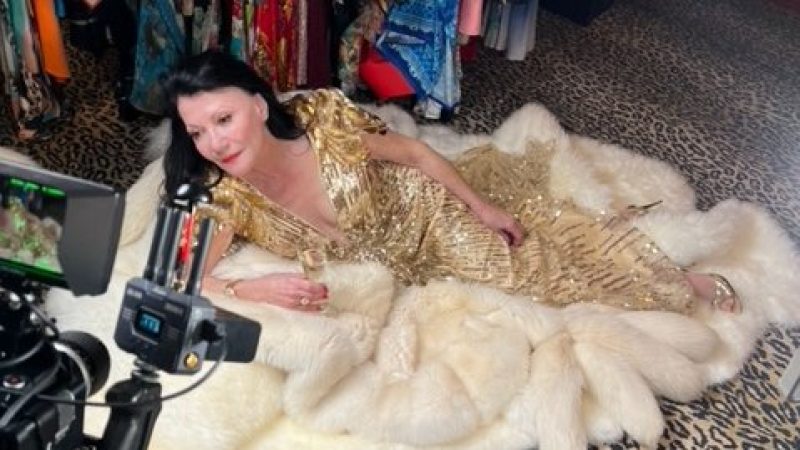
Iconic Actress “Irina Maleeva” Brings “Sunny’s Closet” to Indiewood
International Actress at Film Festival with “Sunny’s Closet” — Before Taking It To Rome