A “HollyShorts” Casestudy
Narrative | Dramatic Features.
Film Title: Black Cab.
Genre: Drama, Thriller.
Length of film: 14:57 Minutes.
Date: March 2026.
Director: James Arden.
Producer: James Arden, Marcus Ellingham, and Luke Ellingham.
Writer: James Arden.
Cinematographer: James Arden.
Production Company: Brother Film.
Shooting Format: 2- Perf 35mm.
Screening Format: 4k DCP, 4k ProRes (2:55:1).
World Premiere: HollyShorts 2026.
Awards:
– 1.4 Award 2026, Best Director.
– Creative Circle Awards 2026 – Best Film.
– Best Sound Design.
Website
The Official Trailer for “Black Cab”
Watch Official Trailer for “Black Cab” Directed by “James Arden”
A Brief Bio. of “James Arden”
The filmmaker is an award-winning filmmaker whose work elevates the themes of empathy, resilience, and reconciliation. She is committed to collaboration and trust-building.
The “James Arden” Interview
indieactivity: What is your film about?
James Arden (JA): BLACK CAB is a short film about Harry. A third-generation London cab driver. Who is struggling to retain his place in a fast-changing world increasingly overrun by self-driving cars. It’s a thriller set in the very near future. It’s also a family drama about a man just trying to keep providing for his family. But unsure what to do and where to turn. The story originated from thoughts I had after discovering early test footage of Wayve. The Microsoft and Uber backed autonomous car company – a few years ago now.
There was something so eerily cold about footage of what the car sees. And, I couldn’t stop thinking about it. How this type of technology will inevitably take jobs away from anyone who makes a living behind the wheel. I thought we’d make the film and it would be several years more before seeing these vehicles on the streets. But, Wayve launched in the States in 2024, and they’re currently testing on London’s streets today. Uncanny stuff.
Tell us about the festival run, marketing and sales?
James Arden (JA): Before we screened anywhere publicly. We won a 1.4 Award and Best Film at the Creative Circle Awards. Which was a great boost in garnering interest. We premiered at HollyShorts in Los Angeles. Which is wonderful and strange at the same time – Wayve are everywhere on the streets there already.
I got one to the premiere, just to see what it feels like, and it was convenient, yes, but also cold and impersonal. Reviews for the film have been overwhelmingly positive, and I hope has kickstarted the conversation around tech and convenience and the cost for everyday people and their livelihoods.
In the next few months, we will play at the South London Film Festival, Kerry International Film Festival in Ireland and Aesthetica Film Festival in York, with more festivals on the horizon… some with some really unique screenings!
Give the full Official Synopsis for your film?
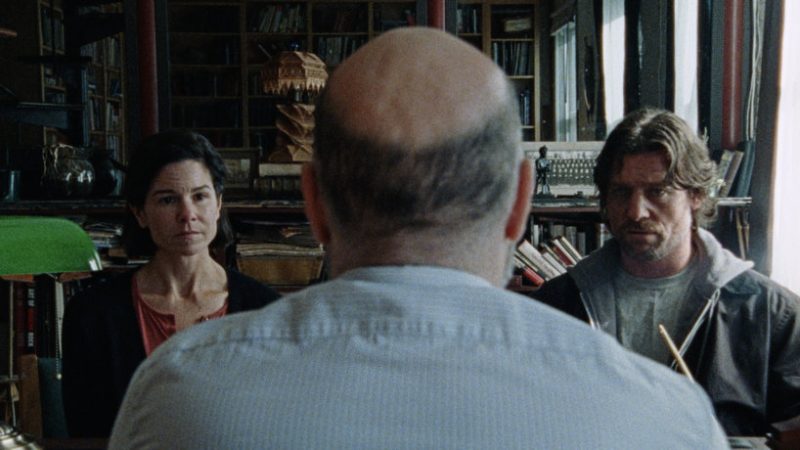
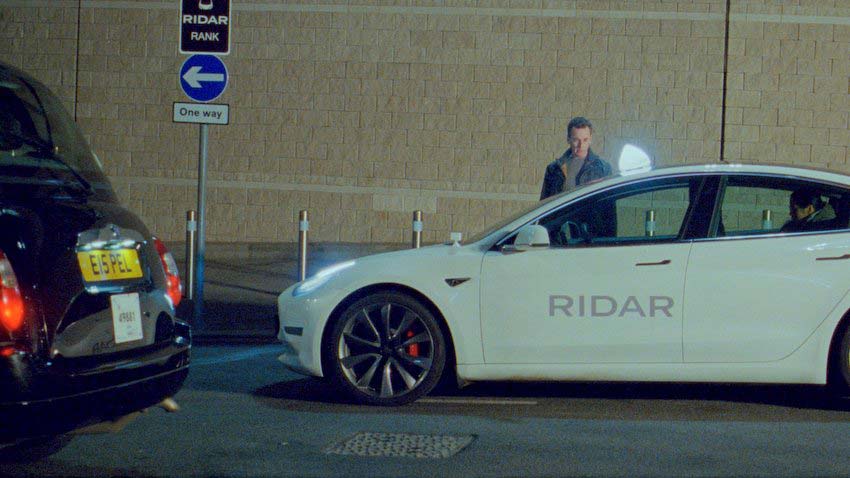
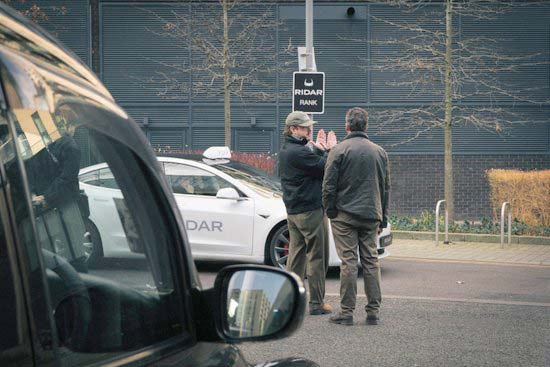
James Arden (JA): In a very near future London, Harry, a third-generation black cab driver, refuses to accept that his livelihood is disappearing in the face of RIDAR autonomous taxis hitting the streets. After hearing on the radio that RIDAR has won a landmark legal victory to operate in all London boroughs, Harry tries – and fails – to pick up a passenger, who hails a RIDAR instead.
Back home, Harry’s wife, Emma, is preparing to start a new job as a care worker, in the face of mounting bills, and over the phone urges Harry to retrain, like some of the other taxi drivers, before it is too late. Harry assures Emma everything will be OK – that people still want a human driver and connection – and promises to return home early that evening to look after Zak, their son, while Emma goes to her first shift.
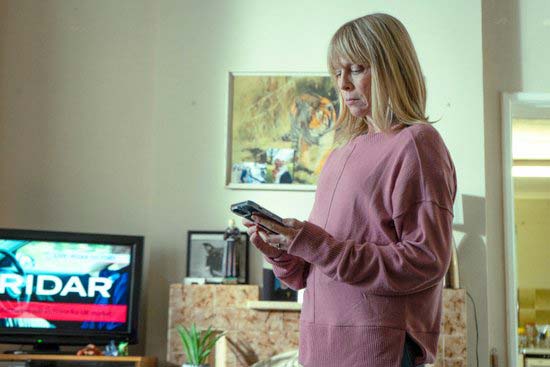
However, desperate to prove himself right, Harry starts to unravel as he struggles to find a fare and ignores Emma’s increasingly urgent calls and texts asking when he will be home. When Harry – already late – finally picks up a drunken passenger, the long journey takes him further away from home and pushes his already strained relationship with Emma to a breaking point, who tells Harry she will take Zak to her sister’s instead. The drunken passenger is sick in Harry’s cab and passes out. Desperate and unstable, Harry encounters a traveler waiting for a RIDAR to take her to the airport.
Harry begs her to take his cab instead. She refuses. In a final act of desperation, Harry steps into the road and is nearly run down by a RIDAR. Blinded by the headlights, Harry approaches the vehicle in a haze, only to discover that there is no driver. Its sensor calmly scans him, determines that he poses no threat, and drives away. Harry, left alone in the street, admits defeat. Meanwhile, Emma and Zak – in need of transport – leave their home and climb into a RIDAR.
Development & Financing?
James Arden (JA): I wrote the screenplay after coming across early testing data from Wayve, the Microsoft/Uber-backed autonomous car company in London. I was intrigued by the visuals of what the car “saw” as it drove – something that ultimately inspired the Ridar-POV in Black Cab. From there, I started thinking about how this technology would impact everyday people who make a living behind the wheel, and the story developed from there.
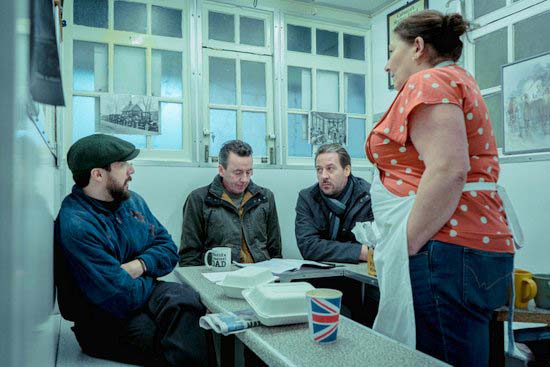
I spent about two years on-and-off researching the film – speaking to cab drivers and having tea/coffee with them in one of the cabmen’s shelters in London, hearing about their thoughts about the future, their hopes and concerns. We even made a zine called “Be Lucky” bringing some of those conversations together in print form to accompany the roll out of the film.
I’ll be candid here – because I think it’s important to let other filmmakers know how difficult the journey is sometimes. Trying to secure finance and deals to make this project, it was 95% hearing “no” and just a few times of hearing “yes” from the right people, at the right time. It was an exercise in resilience and perseverance more than anything, as well as seeking support from wonderful people and avoiding those who actively fought the film too.
I had a certain manufacturer of cabs in the UK – who had been very supportive during development – then turned around and threatened to sue me if I made the film or used their vehicles when it came to production. I sought some advice and did it anyway. Making films – even at short film level – is a battle. Find your people, believe in your own ideas, and don’t let the other bastards grind you down.
At one point, I had a signed and sealed deal with an American company to make the film – I had over £20000 in my account – but their specific terms and conditions about how footage could be used would have cost me my cast; ultimately, it was something they should not and could not sign, and just not the deal for us. I had a coffee with Jay Simpson, who firmly believed in the project and was already cast, in East London and I said – give me a year, I’ll find a way to get it made.
He agreed, and a year later we shot the film with Brother Film, who are a talented and ambitious boutique production house in South London, and have been a huge supporter of mine for years now. Jay is now someone I consider a friend, as well as a fantastic actor. He made the film what it is.
Production?
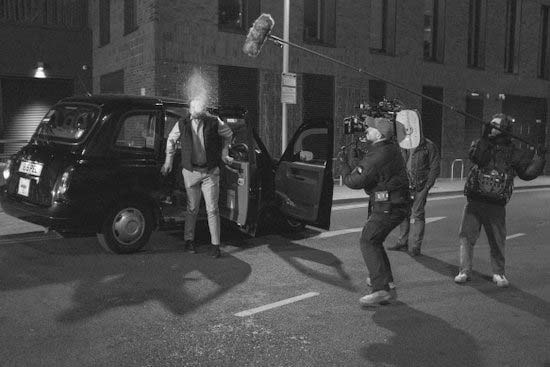
James Arden (JA): Production was a challenge, naturally! We shot on 35mm, thanks to my cinematographer Adam Barnett supplying half the stock from his accumulated short ends and combining that with a deal from Kodak. I had to be very lean with my coverage to ensure the stock lasted, and even then I had to courier a few extra rolls to set for our last day – but it was all worth it to capture our world on film and take the road less travelled. Panavision supplied all our cameras and lenses for free – they were great supporters of the project from the start.
The schedule was ambitious – we had multiple unit moves across London (one day started in Kensington and ended up in Brixton) as well as elements like traffic management, grip equipment on moving vehicles etc. All challenges on a short film. Luckily, my First Assistant Director, Toby Evans – who was first-ed features and huge television shows – made it all very smooth.
Editing was done at TenThree in Soho. I worked with Greg Jennings, a full-time editor’s assistant at TenThree, who donated evenings over a period of several months to cut the film together, after hours. It was a long road, chipping away, but the final film is all the better for it.
Sound Design and the score was done at Brother Music, in Peckham, and the colour grade was done by Connor Coolbear at ETC in East London. Just like production, the post was all over London – it really is a London film.
Ultimately, making Black Cab was an act of resistance – against convenience, ease and comfort. There is seemingly an obsession in the world with taking the easy road now – whether that’s ordering a Waymo to get somewhere, or using AI to make films with the press of a button. I don’t want to make films that aren’t challenging. I want to earn the final film through graft and hard work, have the film reveal itself to me through the process, and have the audience feel that work on the big screen.
Festival Preparation & Strategy?
James Arden (JA): We have targeted high-end festivals as well as some boutique and original festivals that fit our guerilla / DIY / analogue approach to filmmaking. We’re really excited to share where we are screening on our journey soon.
The Release?
James Arden (JA): We premiered at HollyShorts LA and our journey has just begun on the festival circuit.
Leave your comments below
Socials
Website
IMDb
LinkedIn
Instagram
Vimeo
MORE STORIES FOR YOU