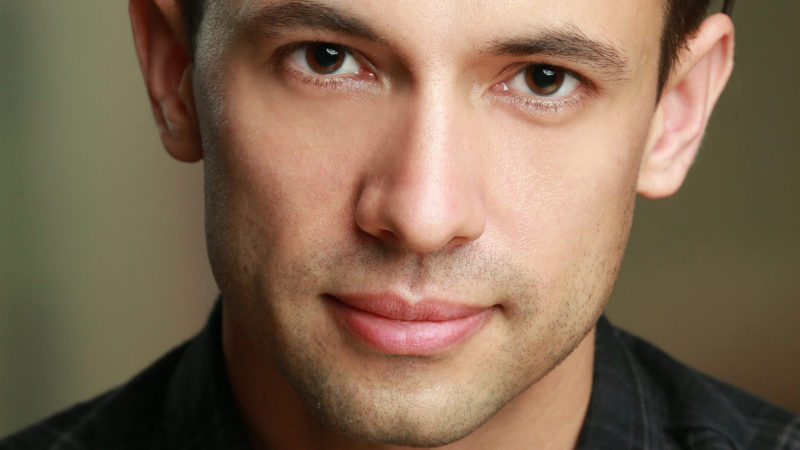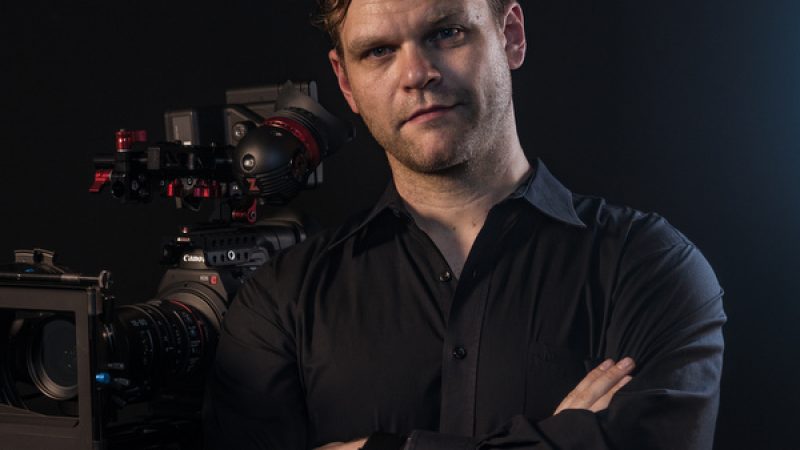
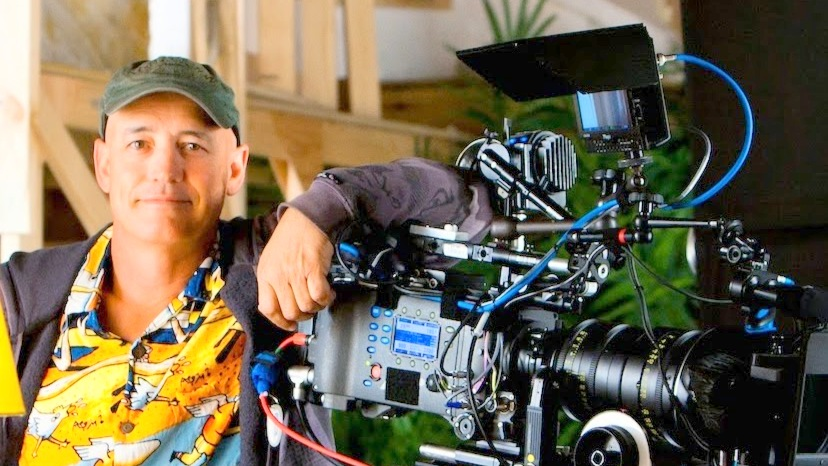
Andrew Conder ACS SOC, is a cinematographer based on the Gold Coast in QLD. He has been working as a Cinematographer since 1981. He started at BTQ 7 in Brisbane until he went Freelance in 1991. He knew he wanted to be a cameraman from a very early age. This was after seeing a TV crew at his Primary School. He then asked his parents to buy him a Super 8 film camera. Which he used to film his family in little skits. Andrew also enjoyed making music videos to music that he liked. Back in the early 80’s in Brisbane there were no recognised film schools. So, he pursued his ambitions via Channel 7. Learning about Cameras and Lighting from some very talented Cameramen that worked there at the time.
After 10 years of filming “Wombat”. A magazine style show for children, it was time for Andrew to go out freelancing. And chase his dream to make Feature Films. He started his career again, learning from the ground up. All that was involved in the whole movie camera department system. During this time he had amazing opportunities to work with some of the world’s best Cinematographers. He learned from them how to master his chosen craft.
indieactivity: What is your inspiration for shots?
Andrew Conder (AC): Andrew’s inspiration for shots comes first and foremost from the script. It is a cinematographer’s job to get the words on a page to the screen. So, a cinematographer must have a good grasp of visualising the script. And, knowing how to transform it to cinematic images. From there the visual language develops from conversations with the director, Production Designer and any other key crew members. HIs inspirations further develop by looking at locations or set designs and from researching other movies. That is film that are appropriate to the director’s vision.
The Official Trailer for The Possessed
He is inspired by nature and loves to watch the way light falls and reacts with the world. Andrew doea these at all times of the day and night. He loves to see how different weather affects the light and how we see things. Andrew is always inspired by other great cinematic visuals when he sees them. He always tries to emulate what he has learnt whenever the opportunity arises.
What is your passion for storytelling through cinematography?
Andrew Conder (AC): Andrew’s passion is to capture the emotion in every scene. Also to show the character arcs through images. I do this by lighting, composition and camera angles. It is very important to me for my shots to be appropriate to the story and emotion of the scene. Plus to be exactly what the director’s vision is trying to achieve.
What would you say is groundbreaking and unique about being a cinematographer & your style?
Andrew Conder (AC): Every production wants a groundbreaking and unique approach to their film. So, it is very important for a cinematographer to master the use of various equipment. Also including cameras, lenses, lighting rigs, and digital tools. Understanding the intricacies of different camera settings, and film stocks. Shooting formats enables them to achieve the desired look and feel for a film. This technical expertise allows cinematographers to innovate and push the boundaries of visual storytelling, creating groundbreaking cinema that captivates audiences. The style Andrew uses on a shoot varies to accommodate the Director and the script. It reminds him of a quote he refers to often.
“People can forget that the art of photography is first and foremost about manipulating emotions. All the ones and zeroes and pristine glass and titanium fittings do not matter unless they help impact the viewers feelings” – David Fincher
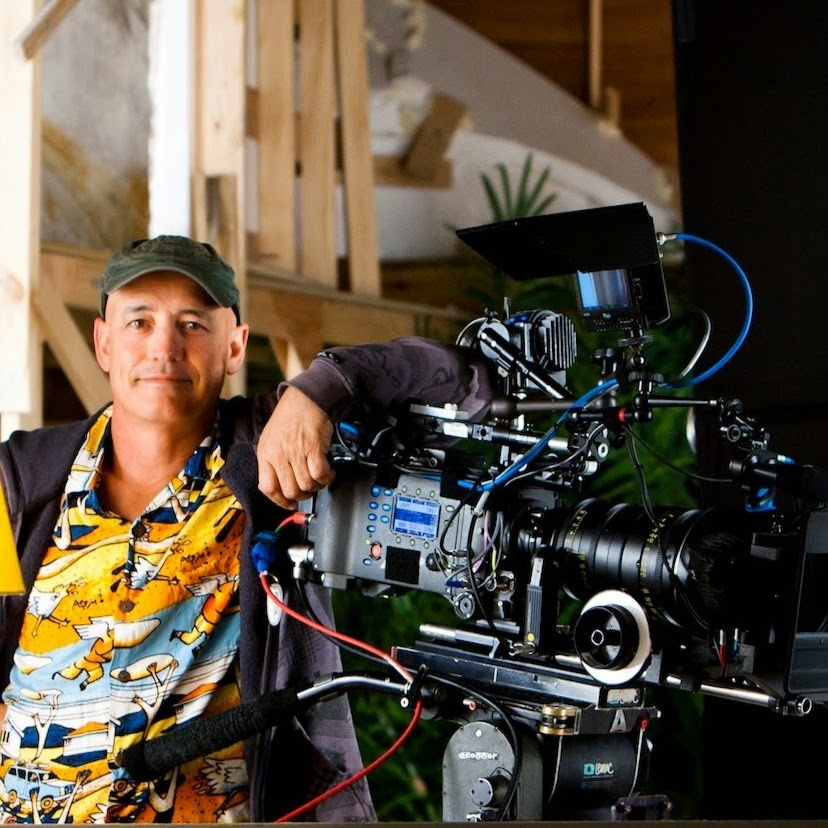
What are some of the hardships and challenges you face?
Andrew Conder (AC): As a cinematographer you are constantly met with challenges. Tight budgets, time constraints, and unpredictable shooting conditions can test one’s resilience and ingenuity. You also have to collaborate with a lot of other departments and be a constant problem solver. Being able to adapt and find creative solutions to problems is a key aspect of the job. The ability to think on my feet and make quick decisions. They ensure that the production runs smoothly and that the visual quality of the film is maintained.
Also, as well as on set challenges there are constant hardships outside of work. Long hours are the norm and work as a head of department doesn’t stop when you leave the set. You are constantly working before and after being on set, and on weekends. Many jobs require you to be living away from your family for long stretches of time. Working in other countries and Interstate has personally been my biggest hardship and also my greatest joy.
What do you think characterizes a style for a cinematographer?
Andrew Conder (AC): A cinematographer doesn’t normally like to be pigeon – holed into only shooting one style of film. And, will constantly try to innovate and develop different styles for different projects. The style of a film will also be developed in collaboration with the director. Having said that, some cinematographers have a “style.” Because, they might use only a particular type of lens or use only one type of lighting style. Sometimes a cinematographer is known for a particular genre of film because they have had great success in that genre.
Being a cinematographer requires a deep understanding of the technical aspects of filmmaking. Mastery over different types of cameras, lenses, and lighting equipment is essential. Additionally, knowledge of post-production processes, such as color grading and editing, ensures that the visual quality of the film remains consistent and impactful. I am constantly doing research on new cameras and lenses and reading industry magazines to learn from what my peers are doing as well.
Silencer – A Short Film
Is it best to learn about all the different cameras as a cinematographer?
Andrew Conder (AC): Andrew thinks one of the best ways to learn about a new camera is to actually use it on set. You can quickly see its capabilities by really putting it through its paces.
Andrew doesn’t actually have a Favourite camera as such. He thinks it is important to be open to using whichever camera is best for the story and also the budget of the film that you are doing. I think it is irresponsible to use a camera that is too expensive or wrong for the production and therefore making other departments suffer just so you can have a “favourite” camera. Having said that, if he really had to choose, he can’t go past the Arri Mini LF. He loves the large sensor and the way the camera renders colours, highlights and shadows. For Andrew the camera has an innate feeling of beauty, softness, luxury, and quality.
How do you achieve emotional impact with your shots?
Andrew Conder (AC): Emotional impact can be achieved through the art of lighting and composition. Depending on the script, you might use very contrasty lighting, you might use soft lighting or hard lighting. The use of shadows is very important, the amount within the frame that you choose to show your audience can be very impactful to the emotion of the scene. Where you place an actor within the frame will also alter the emotional impact of the shot. Whether a camera moves or is static and whether the camera is high or low and also the use of filtration can also affect the viewer’s emotions.
Does location help?
Andrew Conder (AC): Location is very important to the success of what I do. A well-chosen location will go a long way to affecting the emotional impact and also it can free up a cinematographer to shoot in the best way for the script. A bad location can affect a choice of lens, and angle. A beautiful set is a delight to work in and makes my job very easy. A badly built and dressed set gives many problems that need to be overcome to make it fit the emotion of the script.
How do you find blocking actors?
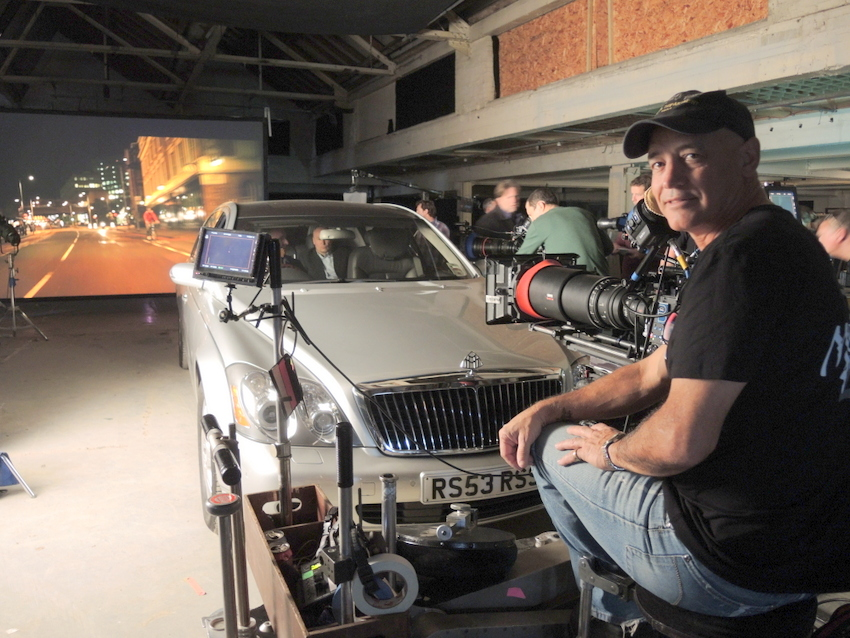
Andrew Conder (AC): I love working with actors and helping with creative blocking. Working with the director in pre-production to block through the whole movie or TV show so that I can make a plan and the equipment required along with lighting is in place and everyone is on the same page. When it comes to being on set with the actors it is always great to see what they bring to a scene and how to adapt to accommodate them. It is good to get a good rapport going with the actors very early on and it’s important for them to trust me to make them look their best on screen.
What reception have you received and what awards have you won?
Andrew Conder (AC): In my career as a cinematographer, I have been accredited by the Australian Cinematographers Society (ACS) and the American Society of Camera Operators (SOC). I have been awarded the ACS Outstanding Support Award, A PATER Award for Professional excellence, Best Cinematography awards at The AFIN Awards, the ASIN Awards, Golden Leaf International, Indie Movies Spark Film Festival, and Action Fest. I have been awarded 26 ACS Awards including two Award of Distinction at the National ACS and a Golden Tripod at the National ACS Awards.
What legacy and hope for future projects can a cinematographer have? Can it be transforming and visionary?
Andrew Conder (AC): Andrew hasn’t reached his peak in what he has to offer. He is always on the lookout to find the next script to challenge and excite him. I hope that in the future there will be a movie which will be critically acclaimed for generations to come. I hope that my legacy can be in growing the industry, by sharing my knowledge and continuing to offer opportunities to young hard working, passionate film makers.
Let’s have your comments below or on Facebook, Instagram, or Twitter
Socials
Website
IMDb
Facebook
Instagram
Vimeo
FILMMAKER INTERVIEWS