
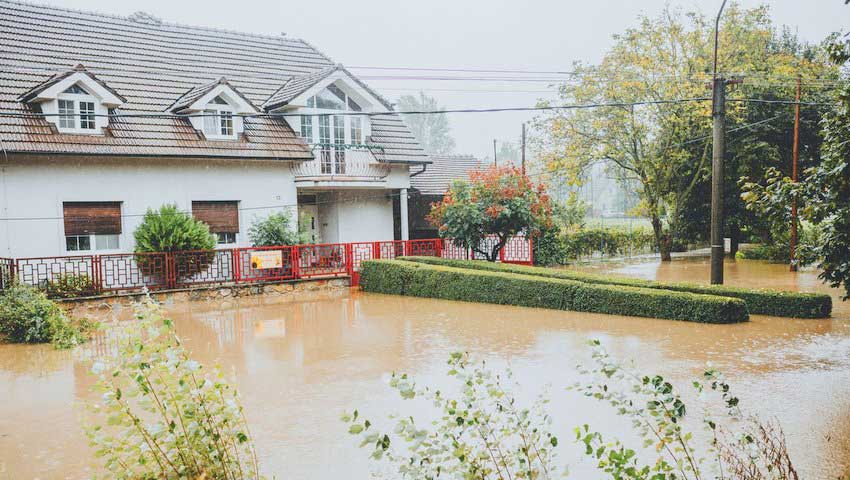
After a severe plumbing leak or flash flood, homeowners in North San Antonio often discover that water has seeped beneath flooring and into subfloor materials. Even after the visible surface dries, lingering moisture underneath can lead to hidden mold, buckling floors, and ongoing structural damage. The challenge isn’t just removing standing water—it’s about making sure the subfloor is completely dry. Using industrial dehumidification protocols specifically designed for local conditions allows restoration professionals to eliminate subfloor moisture before it causes permanent harm.
Industrial Dehumidification Standards for North San Antonio Water Damage
Industrial Water Damage Restoration in North San Antonio relies on clearly defined standards for drying procedures, as outlined by national organizations and local best practices. These standards specify the use of high-capacity dehumidifiers, such as low-grain refrigerant (LGR) units, which can remove moisture quickly even in hot and humid climates. Restoration professionals are trained to measure the initial moisture content of subfloors using specialized meters, then set dehumidification targets based on safe levels for wood, plywood, or concrete. Consistently applying these standards limits the risk of microbial growth and secondary damage during the drying process.
Comparing industry dehumidification standards for water-damaged buildings helps property owners understand why professional-grade equipment and protocols are required to meet safety benchmarks. Local restoration teams must also adapt to unique weather conditions in North San Antonio, where high outdoor humidity can impact drying efficiency indoors.
Subfloor Moisture Extraction Techniques for Rapid Structural Drying
Removing water trapped beneath floors demands specialized extraction tools and a methodical approach. Technicians often use weighted extraction units that apply direct pressure to carpets and pad, forcing water upward for removal. In cases where moisture has penetrated wood or concrete subfloors, commercial air movers are strategically placed to accelerate evaporation at the surface. This is always paired with containment barriers—plastic sheeting walls that isolate the affected area—so that humid air doesn’t spread throughout the home.
Once surface water is extracted, the next step involves deploying high-capacity dehumidifiers that operate around the clock. The combination of targeted airflow and industrial dehumidification protocols ensures moisture is pulled from deep within the subfloor, not just the surface. Professional providers of Water Damage Restoration in North San Antonio use these coordinated techniques to minimize drying time and limit disruption to the household.
HVAC and Desiccant Dehumidifier Integration for Subfloor Restoration
Integrating building HVAC systems with desiccant dehumidifiers is a specialized tactic used in industrial Water Damage Restoration in North San Antonio. Desiccant dehumidifiers use moisture-absorbing materials, such as silica gel, to draw water vapor out of the air even when temperatures are low or humidity is extremely high. These units can be ducted directly into the HVAC system, allowing dry air to circulate throughout affected rooms and reach hidden areas beneath the floors.
Coordinating HVAC operation with dehumidification equipment prevents re-contamination by ensuring that moist air is continually cycled out of the space. Restoration crews monitor temperature and relative humidity levels via remote sensors, adjusting airflow to maintain optimal drying conditions. This integration is particularly important in larger homes or commercial buildings where moisture may migrate between rooms if not controlled.
Learning about desiccant dehumidifier operation in structural drying helps homeowners select providers who use state-of-the-art techniques for subfloor restoration.
Moisture Mapping and Verification Protocols for San Antonio Properties
Verifying that subfloors are completely dry is a critical final step in the restoration process. Moisture mapping involves using infrared cameras and pinless moisture meters to scan floors and subfloors for hidden pockets of dampness. Restoration teams create detailed diagrams showing which areas have returned to safe moisture levels and which require further attention.
Protocols require that moisture readings be documented at set intervals—before, during, and after drying—to ensure compliance with industry guidelines. This documentation is essential not only for insurance claims but also for homeowner confidence. If any area of the subfloor remains above threshold levels, additional drying or localized extraction may be necessary before repairs proceed.
By following systematic moisture mapping and verification protocols, industrial Water Damage Restoration in North San Antonio delivers results that help prevent long-term structural issues and costly repairs down the line.
Conclusion
When water finds its way beneath your floors, acting quickly with proven dehumidification protocols is the key to preventing hidden damage. Ask restoration professionals about their specific subfloor moisture removal techniques, equipment, and verification process before you authorize repairs—these details make the difference between a superficial cleanup and a thorough restoration.
You can comment below or join us on Facebook, X and LinkedIn.
INDIE ACTIVITIES





Iconic Actress “Irina Maleeva” Brings “Sunny’s Closet” to Indiewood
International Actress at Film Festival with “Sunny’s Closet” — Before Taking It To Rome