
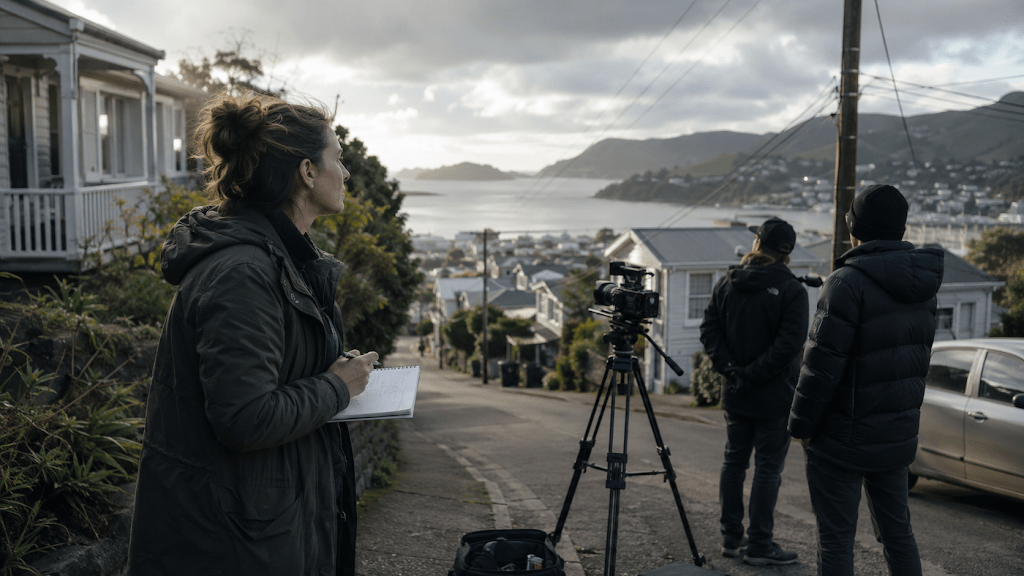
A micro-budget film can lose money before the first take. The damage often starts with one pretty location. It looks right on a phone photo. Then the crew arrives and finds no parking, wind in every mic, and one working power point.
In Aotearoa, that problem can grow fast. A 12-minute scene in Grey Lynn, Newtown, or Ōtepoti can cost two extra days. The fix is not a bigger budget. It is a sharper location test before anyone signs a call sheet. Treat each location as a production choice, not a backdrop. A strong scout can save more than a discount on gear hire.
Start With the Scene Needs Before Choosing a Film Location
These body paragraphs will expand on your product/service/campaign. Feel free to include sub-headings if your press release is wordy—this will help to organize the information, and allow for better readability.
Next, price the scene by time, not beauty. A beach at Piha may look strong at 6 pm. Still, sunset gives you about 20 usable minutes in winter. A kitchen in Hamilton may feel plain. Yet it may give six hours of stable light and quiet. That choice may save a full lighting setup. It may also give actors more time for rehearsal.
How One NZ Location Can Work for Two Scenes
Directors often save money by turning one place into two places. A school hall can become an audition room by day. The same hall can become a community meeting at night. Change the camera direction, move three props, and alter wardrobe colours.
This method also helps continuity. Fewer company moves mean fewer lost bags, late arrivals, and missing chargers. On a six-day shoot, one saved move can protect half a day. That half-day can become pickup shots or cleaner sound.
Read Location Rules Like Casino Bonus Terms
Location paperwork works like casino bonus terms. The headline looks simple, but the real cost sits in limits, timing, and exclusions. A public park may look open. Yet a tripod, drone, generator, or night shoot can change the rules.
The same habit helps when checking online casinos. Read the terms before spending. A guide to $15 no deposit free spins NZ shows why expiry dates, bet limits, and withdrawal rules matter. For a director, the lesson is similar. Do not judge a location by access alone.
Casinosanalyzer is useful here because it treats bonus details as the main fact, not decoration. Directors should treat location notes the same way. If the small print changes the day plan, it changes the budget. A missed condition can turn one morning scene into a full reschedule.
Public Land or Private Home: Choose Control Over Cost
Public locations can give scale, movement, and real street life. Private homes give control, storage, and cleaner sound. The cheaper choice depends on what the scene needs.
In Auckland, filming on public roads, footpaths, parks, beaches, and public facilities can require a permit through Screen Auckland film permit guidance. Plan early if your scene affects traffic, parking, pedestrians, or nearby businesses. A small notice period can still change your shoot week. Some council processes also slow down near public holidays.
Use this five-step test before booking:
- Write the scene length and planned screen time.
- Count every crew member, actor, and vehicle
- Mark the nearest toilet, power point, and covered area.
- Time the route from base to set during real traffic.
- Ask what happens if rain, wind, or noise stops filming.
A private home may still need care. Get written consent from the owner and each flatmate. Confirm shoes, food, pets, neighbors, and bathroom use. Also check where the gear can sit between takes. A hallway full of cases can slow every reset. Ask about quiet hours before confirming any night scene.
Build a New Zealand Weather Plan Before Shoot Day
New Zealand weather punishes vague planning. Auckland can shift from sun to heavy rain within one call sheet. Wellington wind can turn a good line into unusable sound. South Island towns can lose light fast in winter.
Set a weather trigger before the shoot day. For example, move inside if rain lasts for 30 minutes in any two-hour block. Pause wide shots if wind lifts hair across faces more than twice. These rules stop arguments on set. They also give the first assistant director a clear call. Put the backup scene beside the main scene on the schedule.
Use the 20-Minute Reset Rule for Outdoor Scenes
Give every outdoor scene a 20-minute reset slot. Use it for drying gear, wiping lenses, or changing blocking. Without that slot, a short rain burst can push lunch, makeup, and transport into overtime.
This slot should be visible on the call sheet. Crew should know it is planned, not wasted. That small gap can protect the final scene of the day. It can also stop rushed camera choices after lunch.
Check Travel, Parking, Toilets, Power, and Sound Before Booking
A location that is 35 minutes away can cost more than a paid room nearby. Ten people travelling both ways create almost 12 crew-hours of dead time. Add parking searches, and the “free” spot is no longer cheap. Test the route at the planned call time, not on a quiet Sunday. A 7 am trip across Auckland can differ from a midday scout.
Scout with a stopwatch, not only a camera. Stand still for two minutes and listen. Note buses, planes, dogs, fridges, heat pumps, and school bells. Then check the sound again at the planned shoot time. A quiet street at noon may be noisy at school pickup. In Wellington, wind between buildings can ruin close dialogue. Near coastal roads, traffic and surf can fight the same scene.
Before approval, record these facts:
- Travel time from the crew base at call time.
- Parking for gear vehicles within 50 metres.
- Toilets within three minutes on foot.
- Power options for lights, charging, and kettle.
- Main sound threats at the planned hour.
A good scout also checks mobile reception. Producers need it for call sheets, maps, and urgent changes. If reception is weak, download maps before call time. Also, print one paper map for the driver with the gear. Check where the cast can wait between takes. If the closest toilet closes at 5 pm, an evening scene needs another plan.
Manage Permits, Safety, and the Two-Day Reshoot Risk
Safety planning is not an admin for later. It affects blocking, lighting, and the shot list. A wet path can remove a dolly shot. A narrow stairwell can block gear movement. A public footpath may need a minder for pedestrians. If water, roads, animals, or minors are involved, cut the page count for that day. Extra safety checks take real minutes.
One bad location often adds two days. Day one is lost to noise, rain, or access trouble. Day two is the reshoot, which brings new food, travel, gear, and actor time. On an NZ micro-budget, that can break post-production money. The edit then loses colour work, music time, or festival fees. A $300 location fix can prevent a $1,200 reshoot.
So, score each location before saying yes. Give it marks out of five for story, sound, access, weather cover, and control. Anything under 18 out of 25 needs a backup plan. Anything under 15 should be cut or rewritten. Put that score beside the location photo. Name one person to check permits 72 hours before call time.
A director does not need the most photogenic place in Aotearoa. They need a place that lets the scene finish on time. That choice protects the film, the crew, and the edit.
You can comment below
INDIE ACTIVITIES




Iconic Actress “Irina Maleeva” Brings “Sunny’s Closet” to Indiewood
International Actress at Film Festival with “Sunny’s Closet” — Before Taking It To Rome

