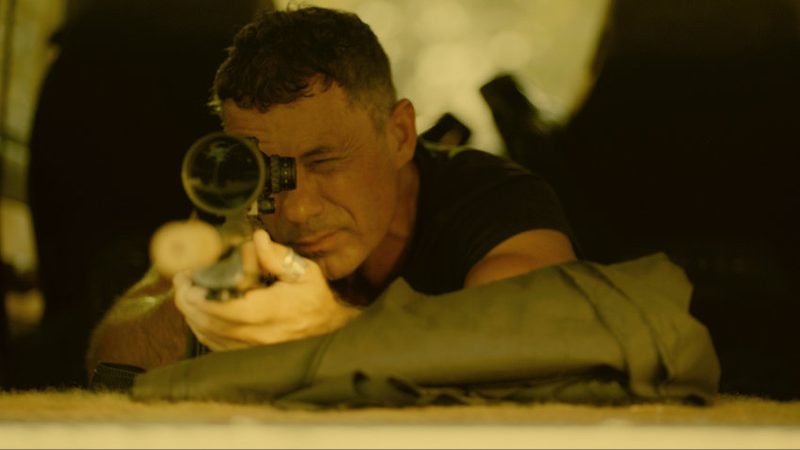
Most people meet an independent film as a picture first. A thumbnail on a festival page. A poster in a lineup announcement. One frame in a press email, or a still scrolling past in a crowded feed. The image arrives long before the trailer, the review, or even the logline. Someone looks at it for a second or two, decides something, and either moves on or stays.
That is a lot of weight for one photograph, and it explains why some strong films get passed over at the listing stage. A still cannot summarize a plot, and it should not try. What it can do is introduce a person and a world: a face, a room, a particular kind of light. Audiences read those signals fast, which is both the opportunity and the risk.
Many indie productions do not have a stills photographer standing beside the camera, so the images that end up doing this job are usually the ones the team happened to capture. A grabbed frame. A phone photo between takes. A shot that is almost right but has a crew member’s elbow in the corner. Tidying those up once meant a long night in retouching software, and some of that work happens in an ai photo editor, where you upload the frame you have, describe what should change, and generate a new version to review. The harder decision comes first, though: which moment are you showing, and what should a stranger understand from it?
People make up their minds about faces faster than seems reasonable. In a set of experiments published in Psychological Science in 2006, researchers at Princeton University showed people photographs of unfamiliar faces for a tenth of a second and asked them to rate one quality, such as trustworthiness, likeability, competence or aggressiveness. Those very quick ratings lined up closely with ratings made without any time limit, and longer viewing did not improve that agreement. The researchers suggested that the extra time mainly adds confidence to an impression that has already formed. The study used ordinary portrait photographs rather than film stills, so it cannot tell you which frame to pick.
It does suggest something useful, though. An expression is not studied. It is absorbed. So the still that works is rarely the one where your lead looks most attractive or most composed. It is the one where the face is doing something specific: holding back, listening, deciding, about to speak.
A simple test helps here. Try describing the expression in three or four words without mentioning the plot. If you can say “she has just realized something” or “he is pretending to agree,” the frame is carrying meaning. If the best you can manage is “she looks serious,” keep scrolling through the footage.
Choose the moment with a question in it
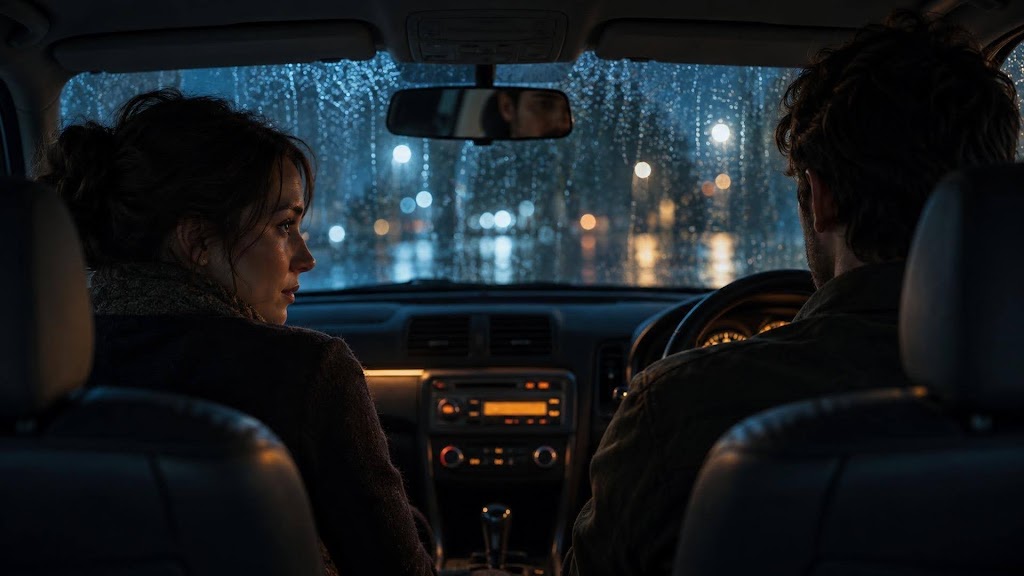
The strongest stills usually sit just before or just after an event. A woman standing in a doorway she has clearly not been invited through. A man looking at a phone he has decided not to answer. Two people in a car, one watching the road and one watching the other. None of these images explain anything, and that is exactly the point. They leave a gap, and a viewer who notices a gap tends to want it filled.
Technically perfect frames often fail this test. A clean wide shot of an empty street tells a programmer nothing about whose story this is. Neither does a nicely lit two-shot where both actors are simply waiting for the next line. When you go through the footage, look for tension rather than polish. A slightly soft frame with a live moment in it will usually travel further than a sharp one with nothing happening.
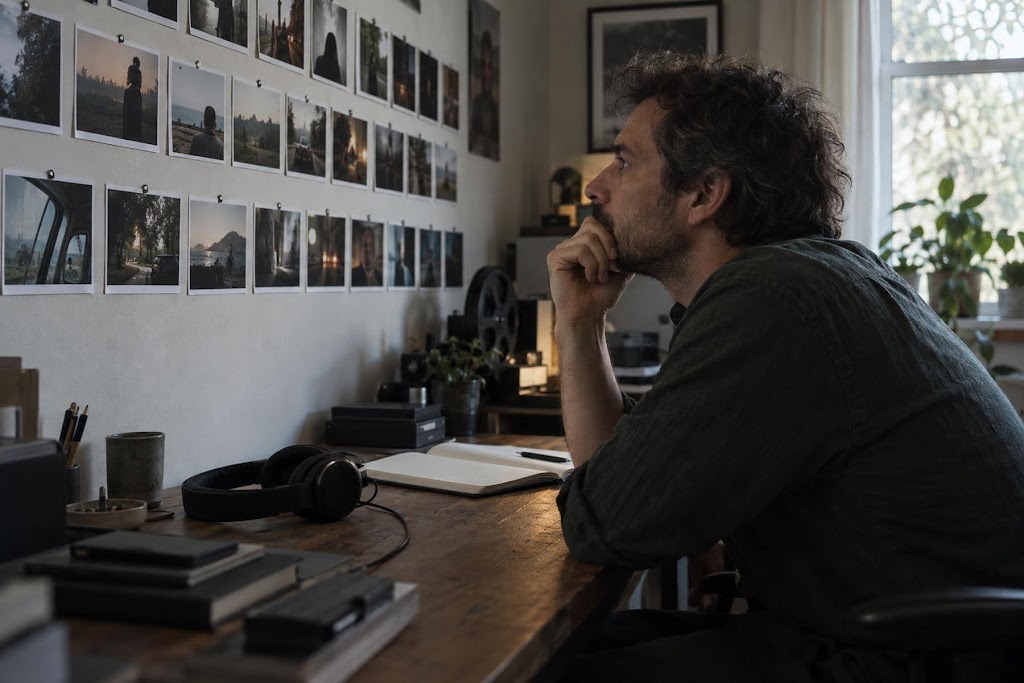
This is also why the obvious hero shot can be a weak choice. The moment your character stands tall in the middle of the frame, lit from behind, tends to read as a genre promise rather than a person. Audiences have seen it many times. A smaller, stranger gesture is harder to forget.
Light and color set the genre before the words do
Before anyone reads your title, the color of the image has already suggested a category. Warm light and soft shadows read as comedy, romance, or memory. Cool light with heavy shadow reads as thriller or grief. The same kitchen, shot at two different times of day, can promise two completely different films. That is useful, and it is easy to push in the wrong direction.
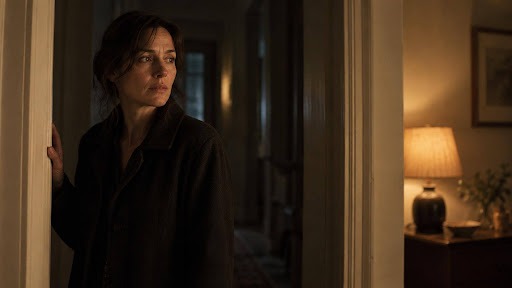
The common mistake is raising contrast and saturation until the image looks dramatic on a large monitor. Most people will see it small, on a phone, in a list of thirty other titles. Check your image at thumbnail size. If the face disappears into shadow, or the whole frame collapses into one dark smear, pull the grade back until the person is still readable.
One image is not enough
Festivals, press contacts, and sales agents rarely want a single picture. They want a small set that agrees with itself. A useful starting point:
- one lead image with a face and some room around it for text;
- one or two character stills showing different people;
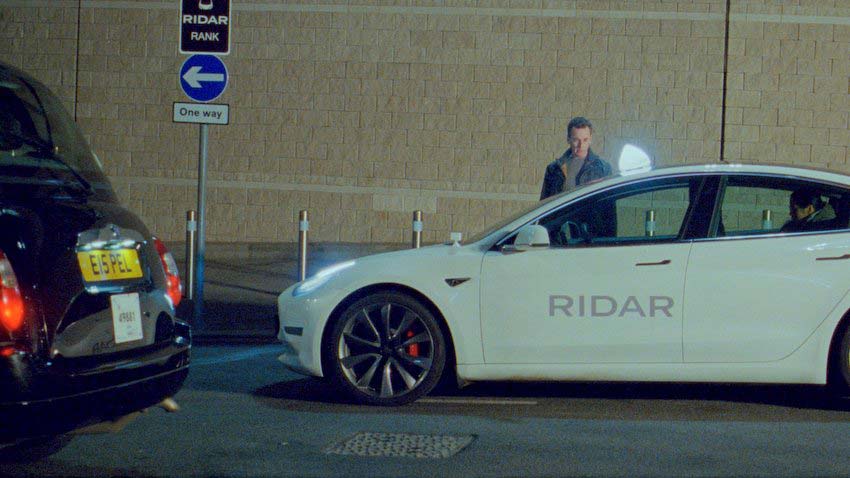
- one wider shot that establishes the place;
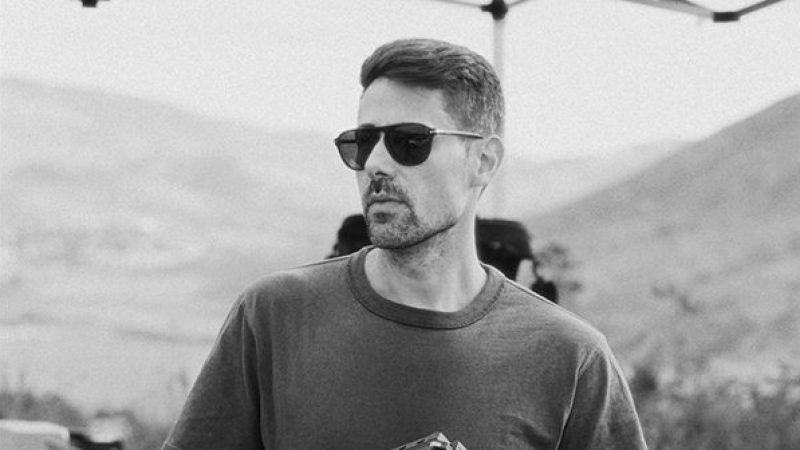
- one behind-the-scenes photo, if you have a good one.
Keep the set consistent. If the lead image is cool and quiet while the second is bright and busy, they look like stills from two different productions. Give the files plain names, note where each one came from, and export both a horizontal and a vertical version of the lead image, because listings and social platforms crop differently.
One practical note on rights. Only use material you have the right and permission to use, and make sure you hold the releases your actors’ and crew’s images require for the way you plan to publish them. It is a dull task that becomes expensive later.
Before you send anything out
Show your chosen lead image to someone who knows nothing about the film. Ask two questions: who is this person, and what kind of film is this? You are not looking for the correct answer, because there is not one. You are checking whether they have an answer at all. A long pause usually means the image is pleasant but empty.
A still will not rescue a weak film, and it cannot explain a complicated one. What it can do is persuade a stranger to look for one more second, which is often all the room an independent film gets. Choose the moment that holds a question, keep the set honest to the work, and let the film do the rest.
You can comment below or join us on Facebook or Twitter.
INDIE ACTIVITIES
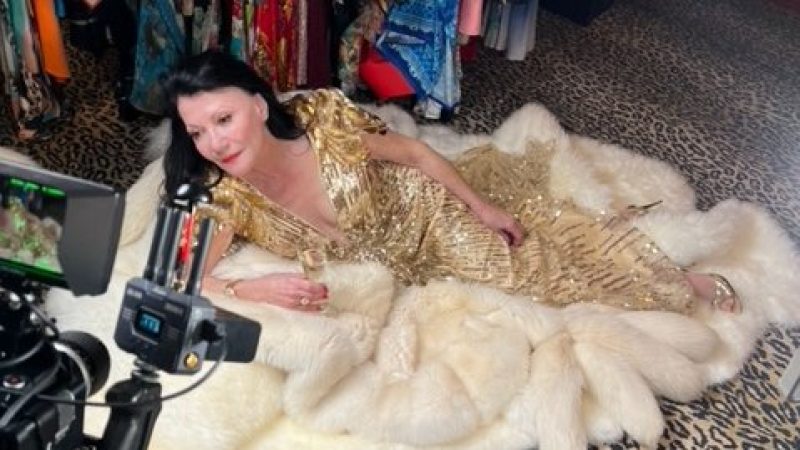
Iconic Actress “Irina Maleeva” Brings “Sunny’s Closet” to Indiewood
International Actress at Film Festival with “Sunny’s Closet” — Before Taking It To Rome