The goal isn’t to make the biggest movie — it’s to keep making movies.
People often assume filmmakers make microbudget films because they can’t raise more money. For me, it’s the opposite. I make microbudget films because I believe they’re the most sustainable way to build a long-term filmmaking journey. When I first started making features, I thought success meant making the biggest film I possibly could. Raise more money.
Hire more people. Rent better equipment. Think bigger. Then I came across a statistic that completely changed how I viewed filmmaking. People often assume filmmakers make microbudget films because they can’t raise more money. For me, it’s the opposite.
I make microbudget films because I believe they’re the most sustainable way to build a long-term filmmaking journey. When I first started making features, I thought success meant making the biggest film I possibly could. Raise more money. Hire more people. Rent better equipment. Think bigger. Then I came across a statistic that completely changed how I viewed filmmaking.

Research by film industry analyst Stephen Follows found that nearly two-thirds (63.5%) of feature film directors only ever direct one feature film. Only 36.5% direct a second feature, and fewer than one in ten go on to make more than five films during their careers.
That stopped me in my tracks.
Instead of asking myself, “How do I make this movie?” I began asking a different question.
“How do I keep making movies?”
Those are two completely different problems to solve.
People often ask me how much Echo 8 cost to make. Rarely do they ask what it cost personally. Years of weekends disappeared. Late nights became normal. Savings were poured into the project. Relationships were tested. Opportunities were missed. The emotional investment was every bit as significant as the financial one. By the time many independent filmmakers finish their first feature, they’re simply exhausted. Some return to full-time work. Some can’t convince investors to back another project. Others don’t have the emotional energy to begin again.
Making one feature is difficult. Making another requires an entirely different mindset.
Of course, there are exceptions. If you have an inheritance, a trust fund, personal wealth, or someone underwriting your creative career, the equation changes. You have the freedom to absorb losses and continue creating while many independent filmmakers must balance filmmaking alongside mortgages, rent, children, day jobs, and everyday responsibilities.
For the rest of us, sustainability matters just as much as passion.
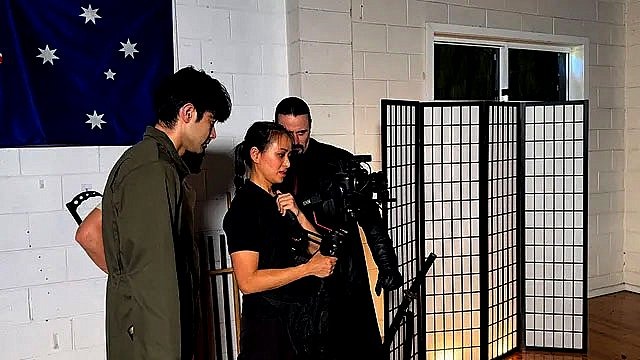
Over the years, I’ve also seen the same story play out far too often. Someone with little or no filmmaking experience steps into a producer role, contributes an enormous amount of money to help make a film, and by the time production wraps they’re financially and emotionally exhausted. Instead of wanting to produce another movie, they never want to do it again.
To me, that’s one of the greatest losses independent filmmaking can suffer.
We don’t just lose funding.
We lose a future collaborator.
A future advocate.
Someone who may have gone on to support many more stories.
That experience shaped how I wanted to build Phoenix Eye Films.
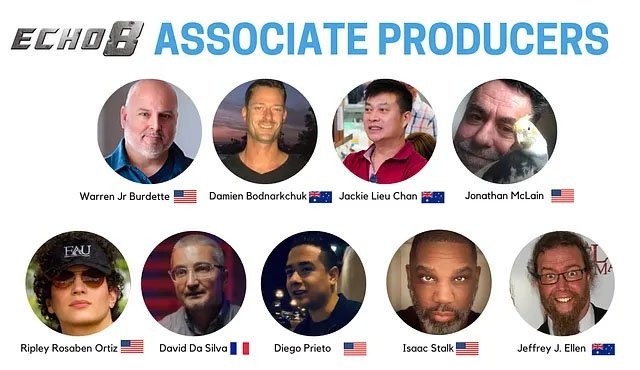
Rather than asking a handful of people to shoulder enormous financial risk, I wanted to create opportunities for more people to participate at levels that felt achievable. If people finished the experience feeling inspired instead of burnt out, they would come back. And if they came back, we could keep making films together.
That’s why I deliberately choose microbudget filmmaking.
Not because I think bigger budgets are bad.
Because constraints make us better storytellers.
When you can’t solve every problem with money, you’re forced to solve it with creativity. You spend more time refining the screenplay instead of building bigger sets. You strengthen characters instead of relying on spectacle. You ask better questions because every scene has to earn its place.
I’ve found that limitations sharpen your craft. Money can often hide weak storytelling. Constraints expose it. Microbudget filmmaking forces us to become better writers, directors, producers and collaborators. It also changes who gets to participate.
Traditional film financing often limits producing opportunities to people capable of investing very large sums of money. By keeping our budgets realistic, we lower that barrier to entry and invite a wider community to join the journey.
On Echo 8 Beyond, we welcomed more than 30 producers, ranging from Assistant Producers through to Executive Producers.
They weren’t simply names in the credits.
They joined story development meetings.
They followed production updates.
They received behind-the-scenes access.
They attended events.
They watched decisions unfold in real time.
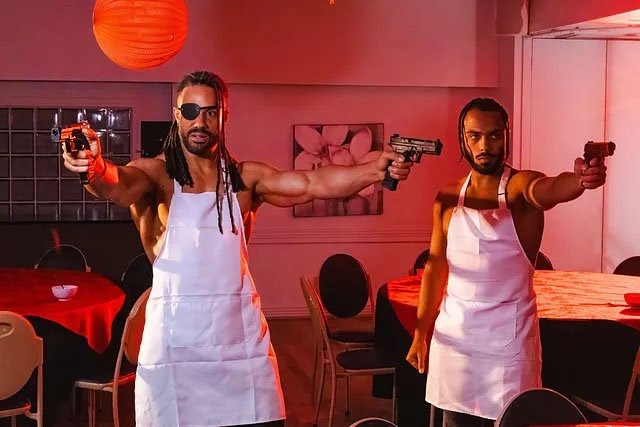
For many, it was their first opportunity to experience what producing a feature film actually looks like.
That’s what excites me most.
Our producers aren’t simply investing in one movie.
They’re becoming part of a filmmaking ecosystem.
Most productions begin and end within a year.
We’re trying to build something that continues growing long after the credits roll.
Echo 8 Beyond Official Trailer
Today, we’ve wrapped post-production on two feature films and are already developing our fourth feature, while securing early partnerships with people who want to come on the journey from the very beginning. There’s genuine momentum surrounding what we’re building. Every completed project strengthens trust. Every film makes the next one a little easier. Every collaborator who returns gives new producers confidence that they’re joining something with a future rather than simply funding a one-off production.
For me, producing isn’t a transaction.
It’s a relationship.
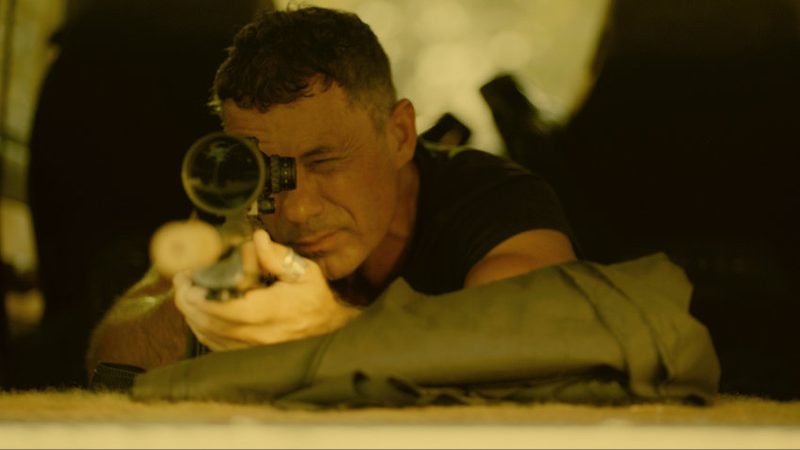
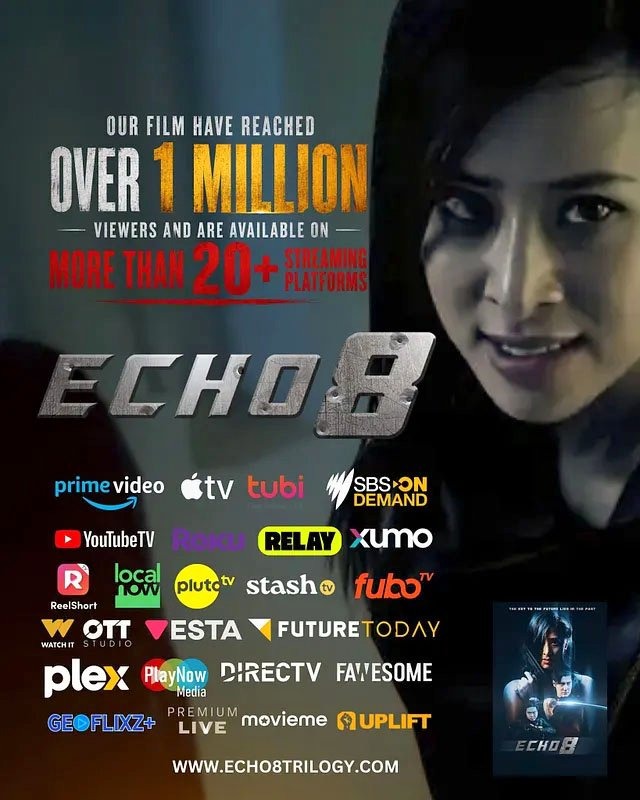
Our first feature, Echo 8, was produced for approximately USD $6,500. Since its release, it has reached more than one million viewers across 20+ streaming platforms. But the achievement I’m proudest of isn’t the audience.
It’s what the film made possible.
It led to two more completed feature films.
It helped build a filmmaking community.
It created workshops.
It launched an ambassador program.
It brought together dozens of producers.
It gave people opportunities to learn, collaborate and create.
Every film should leave behind something greater than the film itself.
That’s the philosophy I want to keep building.
Today, I no longer measure success by the size of a budget or whether a film premieres at the biggest festival.
I measure success by a much simpler question:
Can we make another film?
If the answer is yes, then we’re succeeding.
Because the first feature proves you can make a movie.
The second proves you’ve built a career.
The third begins to prove you’ve built an ecosystem.
That’s why I make microbudget films.
Not because they’re smaller.
Because they give us the greatest chance of still telling stories — and telling them together — many years from now.
You can comment below
INDIE ACTIVITIES


Iconic Actress “Irina Maleeva” Brings “Sunny’s Closet” to Indiewood
International Actress at Film Festival with “Sunny’s Closet” — Before Taking It To Rome