
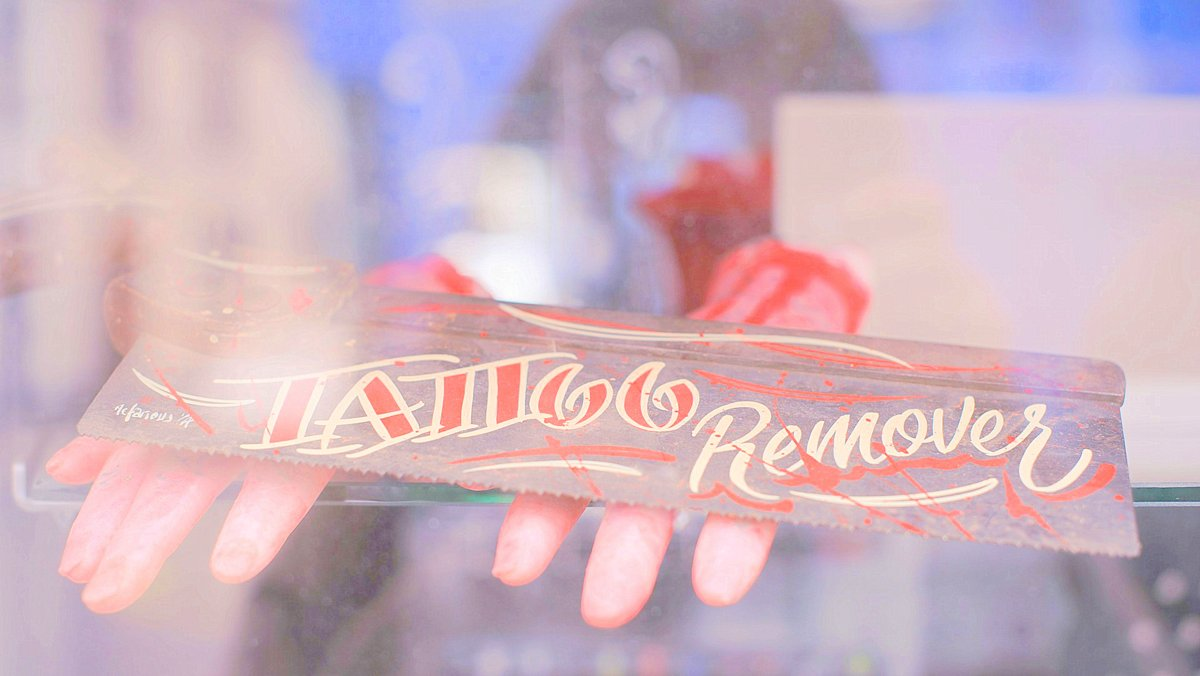
Getting a tattoo removed isn’t always a quick process, and many people are surprised to learn that some tattoos require significantly more treatment sessions than others. If you’re considering tattoo removal, understanding the factors that influence the number of sessions needed can help you set realistic expectations and plan accordingly. The journey to clear skin varies dramatically from person to person, and several key elements determine how long your removal process will take.
The Role of Ink Colors in Treatment Duration
Not all tattoo inks respond equally to laser removal treatments. Black and dark blue inks are typically the easiest to remove because they absorb all laser wavelengths effectively. These colors often require fewer sessions compared to their more vibrant counterparts.
Lighter colors like yellow, green, and fluorescent shades present a greater challenge. These pigments reflect certain laser wavelengths rather than absorbing them, making them more resistant to treatment. Purple and turquoise inks fall somewhere in the middle, requiring specialized laser settings and often additional sessions to achieve complete removal.
Multi-colored tattoos naturally demand more sessions because different wavelengths must be used to target each color effectively. This means your treatment plan needs to address each pigment individually, extending the overall timeline.
How Tattoo Age and Quality Impact Removal
Older tattoos generally fade more easily than fresh ones. Over time, your body’s immune system naturally breaks down some of the ink particles, giving laser treatments a head start. A tattoo that’s several years old may require fewer sessions than one that’s only months old.
Professional tattoos typically penetrate deeper into the skin and use higher-quality, more concentrated inks than amateur tattoos. While this makes them look better initially, it also means they’re more challenging to remove. Amateur tattoos, though often less aesthetically pleasing, usually sit closer to the skin’s surface and may fade more quickly during treatment.
The density of the ink also matters considerably. Heavily saturated tattoos with multiple layers of ink need more sessions to break down all the pigment. Cover-up tattoos, which often involve extra layers of ink, can be particularly stubborn and time-consuming to remove.
The Importance of Skin Type and Placement
Your skin type plays a crucial role in determining treatment duration. People with lighter skin tones typically see faster results because higher laser intensities can be used safely. Darker skin requires more conservative treatment settings to prevent pigmentation changes, which may extend the number of sessions needed.
Tattoo placement significantly affects removal success as well. Areas with better blood circulation, like the chest, neck, and face, respond more quickly to treatment. Your circulatory system helps flush away the fragmented ink particles, so better blood flow means faster clearing.
Tattoos on extremities like hands, feet, and ankles tend to require more sessions. These areas have less robust circulation, which slows the body’s ability to eliminate broken-down ink particles. When searching for the best tattoo removal in San Antonio, TX, experienced practitioners will assess your tattoo’s location as part of creating your treatment plan.
Individual Health and Lifestyle Factors
Your body’s immune system is your partner in tattoo removal. The laser breaks up the ink, but your immune system does the heavy lifting of removing those particles. People with stronger immune systems generally see faster results and may need fewer overall sessions.
Lifestyle choices impact your results too. Smokers often require additional sessions because smoking impairs circulation and immune function. Staying well-hydrated, maintaining a healthy diet, and getting regular exercise can all support your body’s natural removal processes.
Age is another consideration, as younger individuals typically have more robust immune responses and better skin elasticity. This doesn’t mean older adults can’t achieve excellent results, but they may need patience for a few extra sessions.
Understanding Session Spacing and Technology
The time between sessions matters as much as the sessions themselves. Most practitioners recommend waiting 6-8 weeks between treatments to allow your immune system to clear away the fragmented ink. Rushing the process with closely spaced sessions won’t speed up results and may increase scarring risk.
The type of laser technology used also influences how many sessions you’ll need. Modern Q-switched and picosecond lasers are more effective than older technologies, often reducing the total number of treatments required. Advanced equipment can target specific colors more precisely and break down ink particles more efficiently.
Moving Forward with Realistic Expectations
Tattoo removal is a personalized journey that depends on multiple interconnected factors. While some small, black tattoos might fade significantly in just a few sessions, complex, colorful pieces could require a dozen or more treatments. Consulting with an experienced removal specialist who can evaluate your specific tattoo is the best way to understand what your individual journey will look like. With patience and proper care, most tattoos can be significantly lightened or completely removed, giving you the fresh start you’re seeking.
You can comment below or join us on Facebook, Instagram! or Twitter.
INDIE ACTIVITIES