A HollyShorts film festival Casestudy
Narrative | Dramatic Features.
Film Name: I AM THE PRIZE.
Genre: Drama.
Date: 2026.
Director: SAI KARAN TALWAR.
Producer: SAI KARAN TALWAR, SHAMENDER TALWAR, ANN CLARE BORNHOLT, PAUL JAGOTA.
Writer: SAI KARAN TALWAR.
Cinematographer: SAI KARAN TALWAR.
Production Company: TUFF.EARTH.
Budget: £15,000.
Financing: PRIVATE INVESTMENTS, FUNDRAISING, DONATIONS.
Shooting Format: DIGITAL
Screening Format: 2:39.
World Premiere: FRAMELINE, RAINDANCE, HOLLYSHORTS.
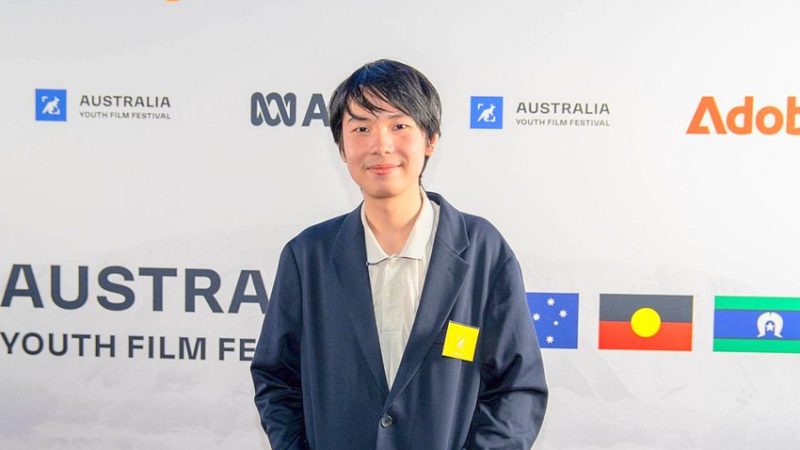
Awards: YOUNG DIRECTOR AWARDS (YDA) GOLD WINNER.
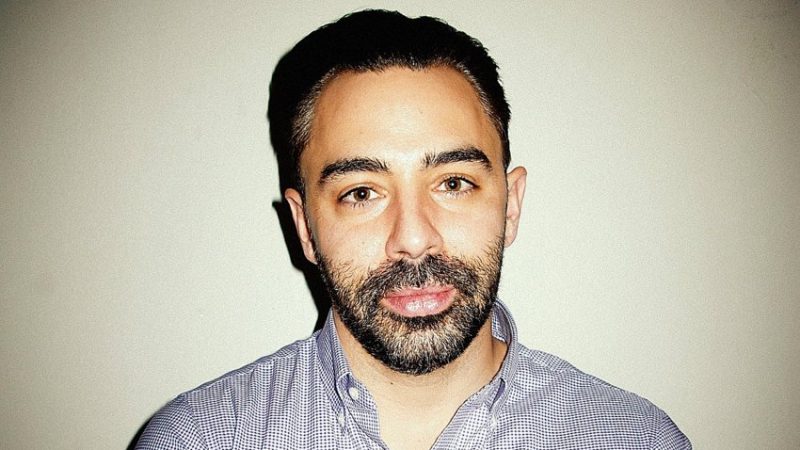
About Sai Karan Talwar
Sai Karan Talwar is an OSCAR Longlist writer and director. Sai is currently a BAFTA Connect Member. A UK-wide and North America tier of membership. It forms part of BAFTA’s ongoing mission to strengthen support for future creative leaders in the film. In games and TV industries. He is a recent BBC Writers’ Access Group Alumnus, since autumn of 2023. He is a 2023 Alumnus of the Disability Belongs Entertainment Lab.
Sai has over 40 finalist placements as a writer. The placements are in some of the most esteemed screenwriting competitions for his feature screenplays. His upcoming short film ‘I AM THE PRIZE’ stars Russell Tovey. It is based on the spec script he wrote with the BBC. This is during the BBC Writers Room Program. I AM The PRIZE will play at festivals in 2026.
The Sai Karan Talwar Interview
indieactivity: What is your film about?
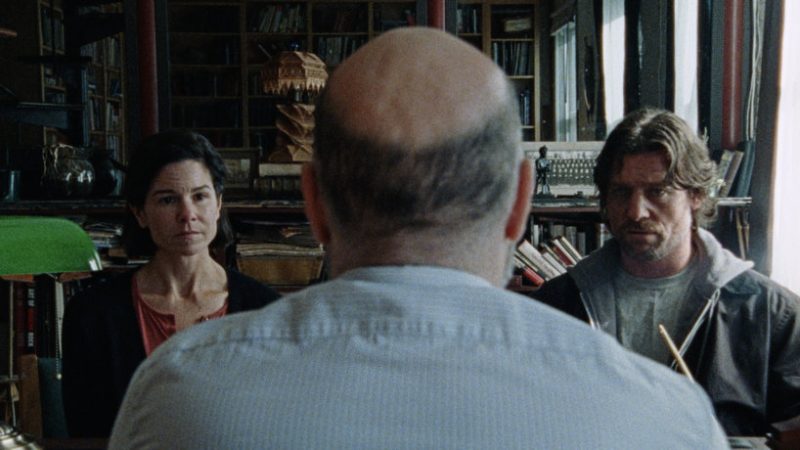
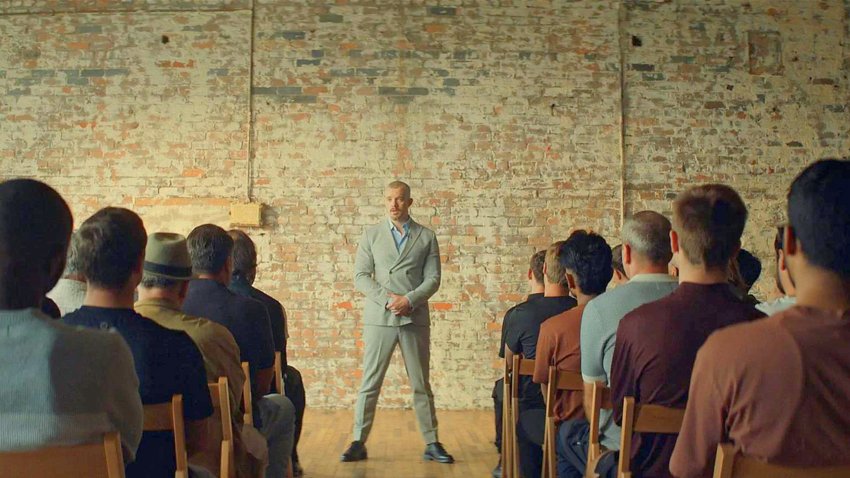
Sai Karan Talwar (SKT): I AM THE PRIZE is a psychological drama about Anthony Selvon. A polarising self-help guru whose carefully constructed public identity begins to unravel in the midst of a lecture tour. As his past resurfaces, the audience is forced to ask questions. Whether the man on stage is a visionary, a fraud, or someone desperately trying to outrun his own truth. It is inspired by the rise of modern self-help influencers, and online masculinity movements. Plus the commodification of identity. I wanted to explore what happens when someone builds an empire on certainty while privately living with profound self-denial. I wanted to make a film about contradiction. About the psychological cost of performing a version of yourself the world rewards.
Tell us about the festival run, marketing and sales?
Sai Karan Talwar (SKT): The film has enjoyed an extraordinary journey. I AM THE PRIZE recently was recognised with a Young Director Award during Cannes Lions. This is helping introduce the film to audiences and industry professionals around the world. We held a private industry screening at BAFTA’s headquarters at 195 Piccadilly. Thus bringing together filmmakers, commissioners, distributors and members of the British film industry. They experiences the film before its wider festival rollout.
Our marketing strategy centred on the strength of the performances, particularly Russell Tovey’s transformative portrayal of Anthony Selvon. We developed trailers, social media campaigns, that highlighted the film’s themes of masculinity, identity and performance rather than relying purely on plot. Because the story speaks to contemporary conversations around influence, online personalities and self-help culture, audiences engaged with the ideas long after screenings ended. Rather than treating the festival run as isolated screenings, we approached every selection as an opportunity to build relationships, create discussion and position the film for a long life beyond festivals.
Give the full Official Synopsis for your film?
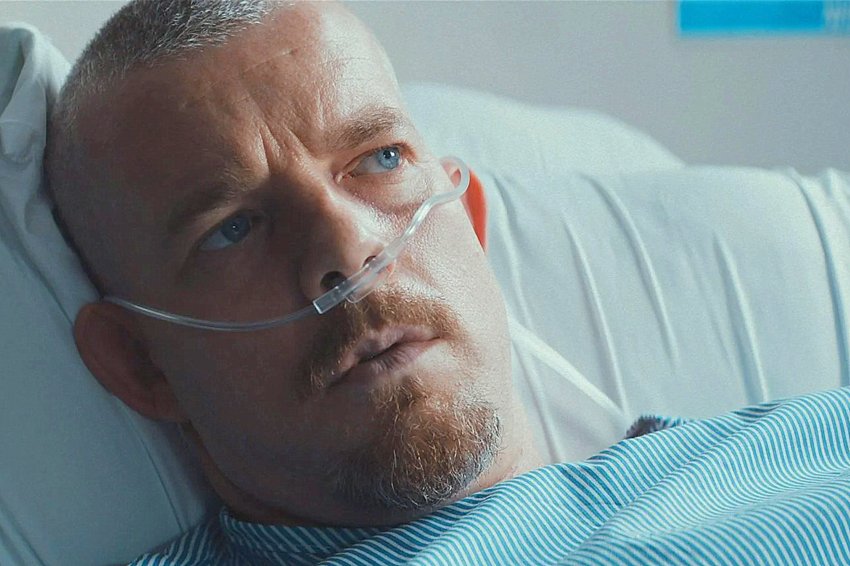
Sai Karan Talwar (SKT): Anthony Selvon has built a global empire convincing millions that confidence is the key to success. His seminars sell out worldwide; his books top bestseller lists and his followers worship him as a man who has mastered every aspect of life. But beneath the polished suits, rehearsed charisma and motivational slogans lies a secret he has spent years suppressing.
When an unexpected confrontation during an interview forces Anthony to face the contradictions between his public image and his private reality, the carefully curated persona he has built begins to fracture. As his certainty gives way to vulnerability, we are forced to decide whether we are witnessing the collapse of a fraud or the emergence of the man he has always been afraid to become. I AM THE PRIZE is a psychological exploration of identity, masculinity, shame and self-acceptance, examining how the stories we tell ourselves can become prisons, and whether true freedom begins only when those stories finally fall apart.
Development & Financing?
Sai Karan Talwar (SKT): The idea for I AM THE PRIZE came from years of observing the explosion of self-help culture and the personalities that dominate it. I became fascinated by the contradiction between public confidence and private insecurity, particularly among influential men who present themselves as having all the answers. I wasn’t interested in creating a satire or a simple villain. I wanted to understand the psychology behind someone who builds an identity powerful enough to inspire millions while simultaneously hiding from himself.
I wrote the screenplay myself, developing numerous drafts that balanced psychological drama with moral ambiguity. The goal was always to create a character audiences could question without reducing him to a stereotype.
The film was independently financed through a combination of private investment and support from TUFF.EARTH, whose commitment to socially relevant storytelling aligned closely with the project’s themes. Working independently meant every pound had to appear on screen, so careful planning and collaboration became essential. Having complete creative ownership allowed me to make the film exactly as I envisioned without compromising its central ideas.
Production?
Sai Karan Talwar (SKT): Working with Russell Tovey was an incredible creative experience. From the earliest conversations, we discussed Anthony not as a villain but as someone trapped by the image he had created. That shared understanding shaped every aspect of the performance. Principal photography was carefully scheduled to maximize both time and resources while maintaining a cinematic scale. We worked closely with every department to create an atmosphere that reflected Anthony’s polished public image while gradually revealing the cracks beneath it.
After filming, the edit became another stage of rewriting the story. We refined rhythm, performance and pacing over multiple cuts. Sound design played a significant role in creating psychological tension, while the score was designed to support the emotional journey without overwhelming it. Every stage of post-production was driven by the same question that inspired the screenplay: what happens when the person you’ve spent your entire life pretending to be begins to disappear?
Festival Preparation & Strategy?
Sai Karan Talwar (SKT): From the beginning, we designed a festival strategy around finding audiences that embrace bold, character-driven cinema. We researched festivals carefully, looking beyond prestige alone and considering which programmers would genuinely respond to the themes and style of the film.
We invested significant time preparing press materials, stills, trailers, director statements and industry outreach so that every screening became an opportunity to start conversations rather than simply exhibit the film.
As momentum grew, PR became increasingly important. Coverage, interviews and social media helped extend the life of every screening and introduced the film to audiences who hadn’t yet seen it. Industry screenings also became valuable networking opportunities, leading to conversations with producers, commissioners and future collaborators.
The Release?
Sai Karan Talwar (SKT): Our release strategy began with building prestige through festivals and industry screenings before expanding the film’s reach through press coverage and digital promotion. Rather than rushing into a public release, we wanted the film to develop organically through conversations.
The BAFTA screening became an important milestone, allowing industry professionals to experience the film in a theatrical environment before its wider rollout. Throughout the campaign we continued sharing interviews, clips and behind-the-scenes material that encouraged audiences to engage with the film’s themes as well as its story.
For me, the release wasn’t simply about making the film available. It was about creating a sustained conversation around identity, masculinity and authenticity that could continue long after audiences left the cinema.
Advice from the Filmmaker?
Sai Karan Talwar (SKT): The biggest lesson I learned is that authenticity matters more than scale. Independent filmmakers often worry about competing with larger productions, but audiences ultimately connect with honesty, specificity and emotional truth. Don’t wait for permission to tell the story that matters to you. If the script is deeply personal and you’ve surrounded yourself with collaborators who genuinely believe in it, that conviction will be visible on screen.
Festivals are important, but they shouldn’t define your success. Every screening is an opportunity to build relationships, learn from audiences and open doors for your next project. Awards are wonderful, but the real achievement is making work that starts meaningful conversations and continues to resonate after the credits roll. Most importantly, trust your instincts. Every film presents countless opportunities to compromise, but the work people remember is almost always the work that remained true to its original voice.
Leave your comments below
Socials
Website
IMDb
Instagram
MORE STORIES FOR YOU