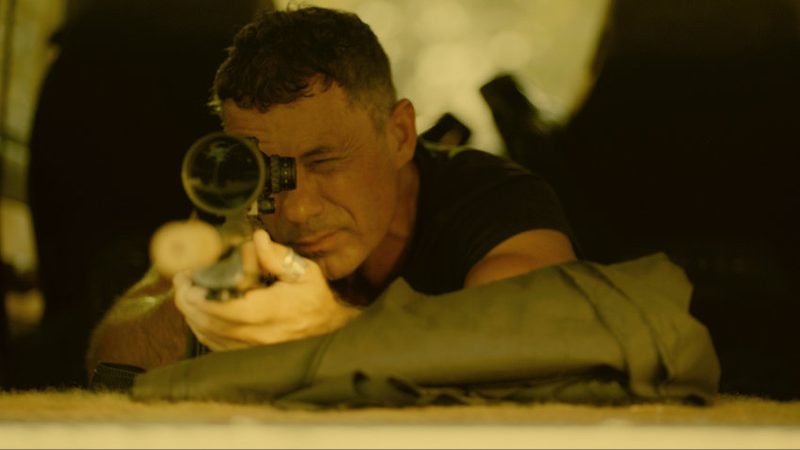
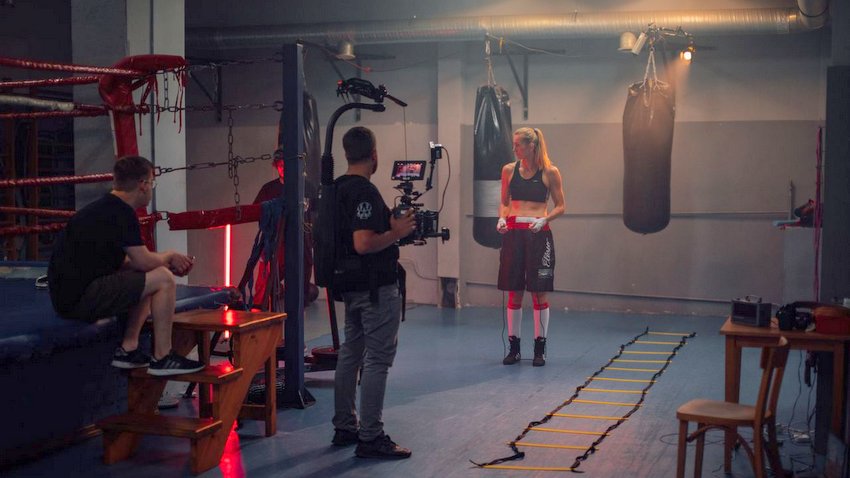
A robust film portfolio illustrates more than your ability to use a camera. It tells employers, film schools, festivals, collaborators and clients what you are thinking about, the stories that excite you and how well you can execute an idea into a completed piece. You do not require costly equipment or professional credits. You want work that allows you to focus, visible progress of your projects, and a way to showcase your best pieces. Having a head start before you graduate allows you to take risks, fail and leave school with proof of what you’re already capable of.
Define the Role You Want to Pursue
Choose what you want your portfolio to say, before collecting every project you’ve made. A director portfolio should be very different from an editor, cinematographer, screenwriter, sound designer or producer portfolio.
This can be a main role and perhaps also more of a secondary strength, if useful. Perhaps you advertise yourself as a director who knows how to edit or a cinematographer who understands color-grading techniques. This emphasis allows viewers to see where you slot in on a production team. You can still have range, but all pieces need to uphold the professional identity you are trying to cultivate.
Create Work Beyond Class Assignments
Sure, class projects are great but they won’t take your portfolio far enough to help you stand out. Assignments tend to provide the same brief and specs for every student, however personal projects allow a more creative process and discovery of your own style.
The reconciliation of independent filmmaking with essays, research tasks and exams is a daunting task. If students find their study work too laborious and a poor way to spend their time learning things relevant to real life; working with a PapersOwl research paper writer will free up hard-pressed days for practical skill development. Don’t wait for the perfect budget, or crew. Film a two-minute scene, produce a short documentary on someone in your community or film a photo profile of an artist locally. Something succinct and slick will surely be better than a work of ambition that just comes across as half-baked.
Show Variety Without Losing Focus
You can do a diverse range of work, but it needs to be purposeful in your portfolio. One director may submit one from a drama, another from a documentary and a third from commercial work. An editor could demonstrate dialogue pacing, action cutting, montage and documentary structure. An example would be a cinematographer showing his work in both interior and exterior, daytime and nighttime, differing light sources.
Do not work only to get a degree portfolio. Three really good things are better than eight uneven, scrappling. Every project must give evidence of a useful skill, a clear creative choice or visible growth. If two clips display the same ability, retain the stronger one.
Collaborate and Build Real Experience
Since film is collaborative, you want to showcase your ability to work well with other people in your portfolio. Get involved in your classmates’ productions, work for free on independent shoots as a crew member, assist local organizations that need video content and seek musicians, theatre groups, or even small businesses looking for visual media services.
These kinds of projects allow you to experience working with deadlines, communicating with clients, getting feedback and solving problems in short time-frames. Maintain a record of your responsibilities on every production so you can accurately explain what you did. No taking credit for work done by others on your team.
Edit a Focused Showreel
A bring about is often the first thorough and somebody watches, so hold that it its short, and follow a reserve. Typically a minute or two is fine to handle. Start with one of your biggest beats because people might stop watching very fast!
Choose clips that best illustrate your part. A cinematographer should highlight images he/she shot while editors like to show scenes that showcase timing, structure, and emotional control. Handle music carefully, add short labels only when the context requires it. It should be a native language type of vibe that is confident and simple to digest.
Build a Simple Online Portfolio
People should be able to find and watch your work easily. Have a web site with your name, what type of work you do, your showreel and/or selected projects, a brief bio (1 minute read), résumé and contact details. Summarize each project with a couple of lines, list your precise role, give the year it was completed.
Keep navigation simple. Stay away from cluttered layouts or pages where it takes multiple clicks before a video pops up. Each link should be checked to ensure it works and traffic should be tested on desktop and mobile devices. A bad video can make you lose an opportunity.
Show Some of Your Process
Completed projects are important, but process materials can make your portfolio more compelling when well applied. Include storyboards, shot lists, lighting diagrams, script pages, editing timelines or before-and-after color grading examples based on your role.
Process work illustrates your ability to process, problem solve, and decide. It can also help clarify your part in a group project. Keep explanations short and specific. This is a chance to show your thinking, not defend every aesthetic decision.
Ask for Feedback and Revise Regularly
There are so many little things to keep track of … You should not be looking at your portfolio the week of graduation. Seek feedback from instructors, classmates, career professionals, and people with reasonable judgment. Ask them which project stands out the most, where their attention starts to drop off, if it is clear what your role is and if the site feels professional.
Write then rewrite based on patterns of feedback You should not do what everyone says but if too many people write about the same weakness then pay some genuine attention. Revise the portfolio from time to time every couple of months and delete what you no longer see as your level.
Conclusion
Creating a strong film portfolio prior to graduation comes down more to smart, constant decisions and less about perfect resources. Have a solid direction, produce work beyond the class, collaborate constantly, re-iterate what projects you show and why you did what you showed. Think of the portfolio as a continually growing site instead of a finished school assignment. It should demonstrate what type of filmmaker you are turning into by the time you graduate and more importantly why someone would want to work with you.
You can comment below or join us on Facebook or Twitter.
INDIE ACTIVITIES


Iconic Actress “Irina Maleeva” Brings “Sunny’s Closet” to Indiewood
International Actress at Film Festival with “Sunny’s Closet” — Before Taking It To Rome