
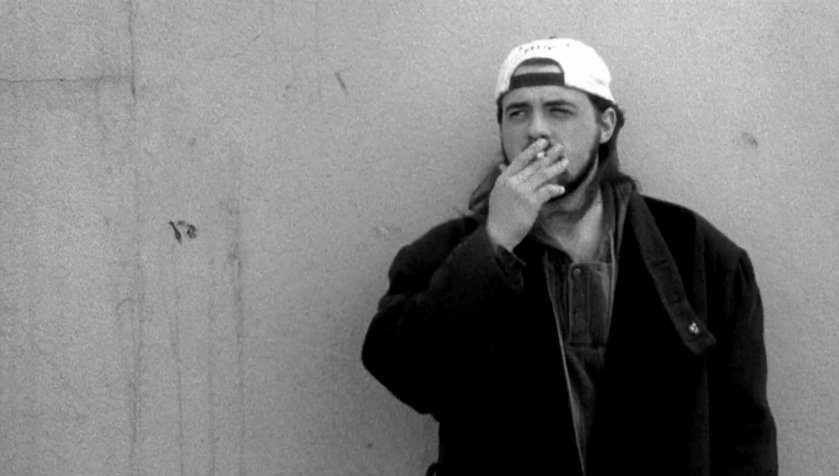
The story of modern independent film often starts with a bold choice. Before he was famous, Kevin Smith made a decision that shaped his career. He chose to film a low-budget movie in a convenience store. This risky move turned personal debt into a major cultural achievement. By using credit cards to fund his project, he avoided big studios. His journey shows how to break into a tough industry.
Kevin’s early drive shows the determination needed to start from scratch. It wasn’t just luck; it was his unwavering commitment to his unique voice. He showed that passion can beat even big financial hurdles.
Key Takeaways
- Financial risk can be a catalyst for creative independence.
- Bypassing traditional gatekeepers allows for authentic storytelling.
- Resourcefulness often outweighs a massive production budget.
- Determination is the primary engine for launching a career.
- Personal investment demonstrates a commitment to one’s vision.
The Genesis of a Filmmaking Icon: Kevin Smith and the Clerks Vision
Every legendary career in cinema starts with a simple observation. For Kevin Smith, it wasn’t a big pitch or a studio deal. It was his daily life, full of humor. He saw that the best stories are often right in front of us. By focusing on the everyday, he created a classic independent film of the 1990s.
Identifying the Story in Your Own Backyard
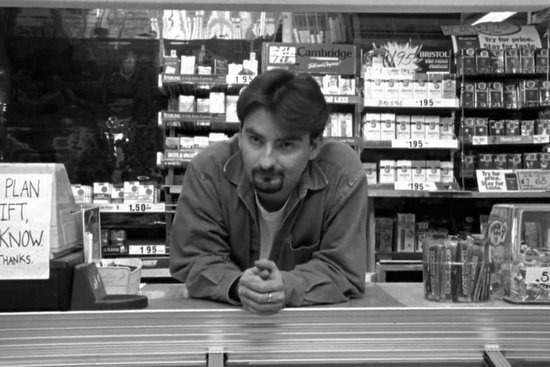
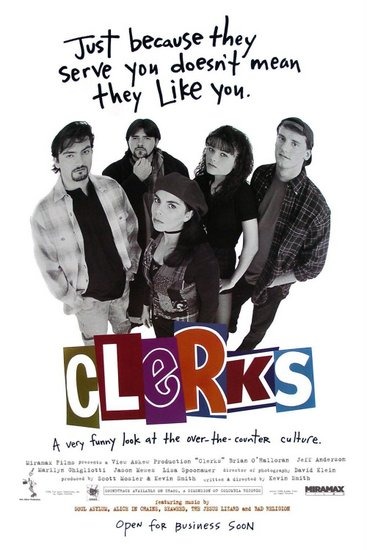
Many think you need exotic settings or complex plots to grab viewers. But Smith showed that your own world is enough. Working at a convenience store gave him a unique view of life. He turned these real moments into Clerks. By recording what he heard at work, he made a story that felt true. This shows that authenticity is key for filmmakers.
The Decision to Bet on Yourself
Turning a script into a movie is a big risk. Smith knew waiting for others to greenlight it was a dead end. So, he funded it himself. This choice to go solo is crucial. It takes courage to ignore doubts and keep going when it’s tough. Smith’s trust in his vision made a low-budget film into a big hit, changing indie cinema forever.
How He Made Clerks: A Masterclass in Resourcefulness
Resourcefulness is key in filmmaking, and Clerks is a perfect example. A young director had no money, so he used his own savings. This turned a small budget into a big hit that changed the film world.
Securing Funding Through Credit Card Debt
The making of Clerks was daring. The director used his credit cards to fund it. This bold move showed his strong belief in the film’s success. Using his own debt, he kept full control over the film. This choice had many benefits for new creators:
- Total Autonomy: No one could change his script.
- Speed: He started filming right away, skipping long waits for grants.
- Ownership: He kept all rights to his work.
The Logistics of Shooting After Hours
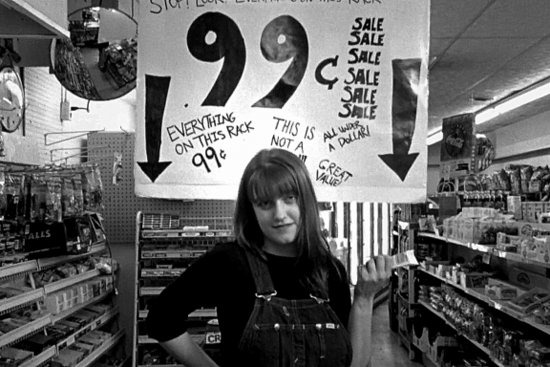
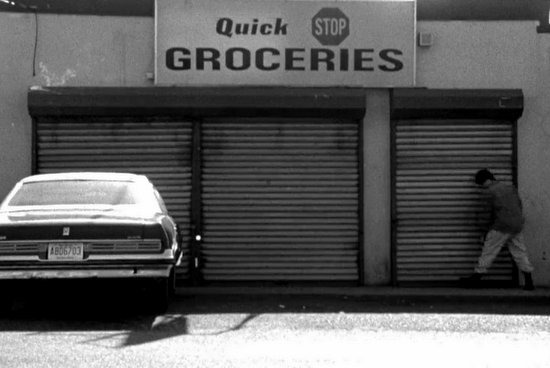
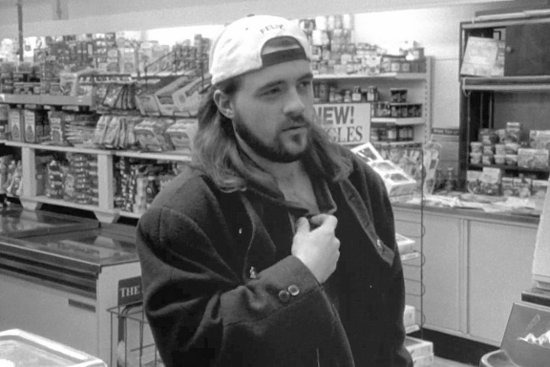
Clerks was made in a real convenience store at night. This choice shaped the whole filmmaking process. The team worked from 10:30 PM to 5:30 AM. They had to be quick and perfect, as they couldn’t afford to waste time.
“We didn’t have the luxury of time, so we had to make every single second count on screen.”
This tight schedule made the film better. Working in a real store gave it a raw, authentic feel. It shows that with little money, you can still make something great.
30 years later Kevin Smith finally realizes why Clerks was so beloved
Clerks Was Built Entirely Around Limitation
Many aspiring directors see a small budget as a hurdle. But for the clerks team, it sparked creativity. They chose to work within their means, not try to match big-budget films. This mindset turned what could be seen as weaknesses into the film’s unique look. It became the heart of the project.
Turning Budget Constraints Into Creative Choices
With almost no budget, the team had to rethink everything. They couldn’t afford fancy sets or camera gear. So, they focused on the script and the store setting. This approach led to a simpler, yet more powerful story. They concentrated on what they could do with one location. This focus made the story stand out without extra production details.
The Power of Black and White Cinematography
The film’s black and white look is iconic. It was a practical choice due to lack of lighting equipment. This choice made the film look timeless and gritty. It also matched the cynical tone of the characters. The team turned a technical need into a bold style. This made the movie unique in the indie scene.
Turning Ordinary Life Into Compelling Storytelling
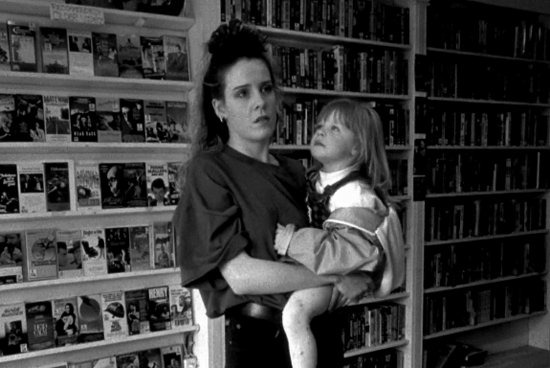
The most compelling stories are often found in our daily lives. Many creators look for big scenes instead of authentic human experiences. By changing our view, we can make a simple film into something deeply moving.
Finding Drama in the Mundane
True drama doesn’t need big explosions or high-stakes heists. Sometimes, the most intense moments come from our everyday lives. A simple conversation or a pop culture debate can be very emotional if told right. By focusing on these small moments, filmmakers let viewers see themselves in the story. This makes a standard film into a reflection of our own lives. Observing the world carefully helps writers find the hidden drama in everyday moments.
Developing Relatable Characters
Characters connect with us when they feel real, not just like characters. Their flaws, insecurities, and quirks make them memorable and human. When they face problems we can relate to, we care about their story. To build these characters, we need to understand how people really talk and act. By focusing on emotional honesty over big scenes, a creator keeps their film real. The goal is to create a lasting connection with the audience.
Dialogue Became the Weapon of Choice
When big budgets are not available, words become the most powerful tool. Instead of expensive sets or visual effects, he used the spoken word. This way, he connected deeply with the audience through real human interactions.
Official Trailer of Clerks (1994)
Writing Sharp, Authentic Conversations
Authenticity is key in great screenwriting. He focused on how people speak in real life. This made his characters feel like real people, not just scripted figures. Naturalistic dialogue brings a sense of closeness. It keeps viewers hooked on the story.
“The script is the blueprint for everything. If the words don’t ring true, the camera cannot save the performance.” To achieve this, he focused on rhythm and cadence over structure. He listened to how friends talk, then put it into the script. This made every scene feel real and relatable.
Using Humor to Drive Narrative Momentum
Humor is key when a story is set in one place. It keeps the story moving and lively. By adding humor to everyday scenes, he kept the audience engaged.
The table below shows why dialogue-driven stories are smart for indie creators:
| Feature | Dialogue-Driven | Action-Driven |
|---|---|---|
| Budget Impact | Low Cost | High Cost |
| Audience Focus | Character Depth | Visual Spectacle |
| Production Needs | Minimal Gear | Complex Stunts |
| Narrative Style | Intimate/Personal | Grand/Epic |
Humor connects the audience with the characters. It turns everyday struggles into shared moments. By mastering this, he showed that a film can impact viewers without a big budget.
Sundance Changes Everything: The Breakthrough Moment
The journey from a local store to Sundance is rare and life-changing for filmmakers. This moment connects a self-funded dream to a real career. It’s where raw ideas meet the world’s eyes.
Navigating the Festival Circuit
Getting into festivals is more than just a film. It’s about being seen. Filmmakers need to know how to get noticed at screenings and mixers. Making buzz before the film shows is key. Networking is essential for new artists. Talking to programmers and other creators helps a film stand out. It’s hard, but it’s the best way to get noticed.
The Impact of Critical Acclaim and Distribution
Good reviews at a big festival change everything. They show the film’s quality to buyers. This makes a small film very desirable. Getting a distribution deal is the last step to success. With the right partner, an independent film can reach more people. This makes a filmmaker a true industry pro.
Building a Career Without Losing Identity
Why does the story of a convenience store clerk turned filmmaker still resonate so deeply today? For many, the path of an independent film creator is fraught with pressure to conform to industry standards. Kevin Smith shows us that staying true to oneself is not just a moral choice, but a smart one.
Staying True to Your Creative Voice
Maintaining a distinct voice requires courage. It means saying no to projects that don’t fit your vision. Smith built his reputation on unique, quirky dialogue in his early work. He knew that authenticity is the most valuable thing a creator has. When you focus on your unique perspective, you attract fans who value your storytelling. This connection builds a loyal fanbase that supports you for decades. By not following trends, your work stays timeless and meaningful.
Balancing Commercial Success and Artistic Integrity
The struggle between making money and making art is real for independent film professionals. Success often means facing pressure to change your project. Smith used his early successes to keep creative control over his work.
True artistic integrity means knowing when to bend on small details but stand firm on the story’s core. It’s about finding a balance where your commercial work funds your passion projects. This balance makes your career rewarding both financially and creatively. The ultimate goal is to have your name linked with a specific quality of work. Protecting your identity ensures your legacy is on your terms. This approach leads to a long and fulfilling career in the competitive world of cinema.
How to Learn From Kevin Smith and Launch Your Own Project
You can turn your creative dream into reality by learning from Kevin Smith. He shows us how to make meaningful art without needing big budgets or permission.
Step 1: Define Your Scope and Constraints
Start by accepting the limits you face. Don’t dream of a huge Hollywood budget. Instead, focus on what you can do right now, in your own space. Good filmmaking often means working with what you have. By using fewer locations and actors, you get creative with what you already have.
Step 2: Prioritize Script and Performance Over Production Value
People usually don’t notice fancy camera gear or special effects if the story is weak. Spend your time writing a compelling script that grabs viewers’ attention. Authentic performances can connect with audiences in a way big-budget films can’t. Remember, great storytelling is key in indie filmmaking, not fancy equipment.
Step 3: Leverage Your Unique Perspective
Your unique view of the world is your greatest strength. Like Kevin Smith, use everyday life to craft a story that feels real and personal. Don’t copy others; offer something new. Authenticity makes your project stand out. So, tell the stories only you can tell.
Final Thoughts
Kevin Smith showed us that you don’t need a lot of money to tell a great story. He went from working at a convenience store to becoming a filmmaker. His passion was stronger than his budget. Many people wait for the perfect time or money to start their projects. But, true success comes from using what you have now. This way, you can create something real and meaningful.
Your unique view of the world is your greatest asset. Focus on writing sharp dialogue and creating characters that people can relate to. These skills are more important than fancy equipment. Don’t wait any longer to start your project. See your current situation as a chance to improve your creativity. The world is waiting for the stories only you can share.
POPULAR