Before he became one of Hollywood’s most resourceful filmmakers—directing hits like Spy Kids and Sin City—Robert Rodriguez was just a young Texas creator facing a universal question: how do you make a movie with almost no money?
In 1992, he answered that question in legendary fashion by writing, directing, and shooting El Mariachi for a mere $7,000. What launched one of the most unlikely and successful careers in modern cinema wasn’t just the impossibly small budget. But, the fiercely creative mindset behind it.
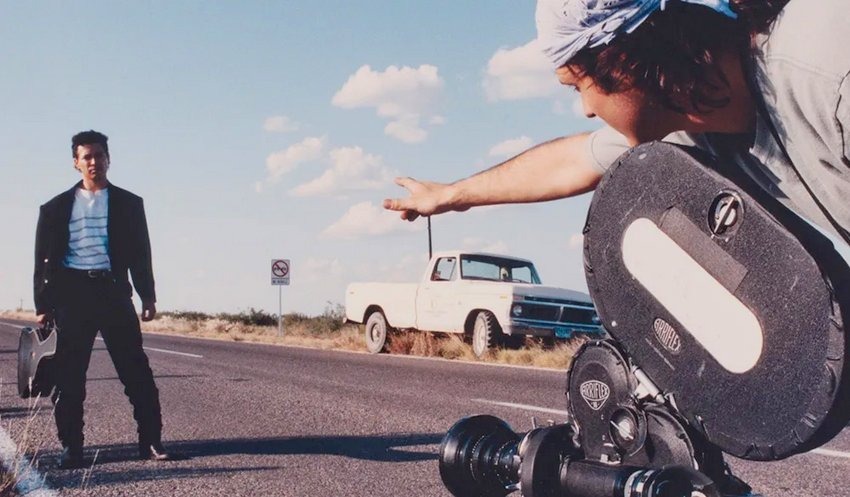
Instead of letting a lack of funds restrict him, Rodriguez used his limitations as a creative engine. He raised half the money by volunteering for experimental clinical drug trials (RED 11). And, served as his own one-man crew, operating the camera and recording sound simultaneously.
He ingeniously designed the script around free local assets. Like a borrowed bus and a real jail. And, even filmed moving tracking shots while being pushed around in a broken wheelchair. This scrappy philosophy proved that resourcefulness matters far more than resources, forever changing the landscape of independent filmmaking.
Official Trailer for El Mariachi Written, Directed and Shot by Robert Rodriguez
The Film That Was Never Supposed to Be Hollywood-Bound
Originally, El Mariachi wasn’t even built for the big screen. Rodriguez’s actual strategy was much more modest: shoot fast, keep costs low, get the film finished, and sell it directly to the Spanish-language direct-to-video market.
It was a practical plan to just make his money back, and honestly, absolutely no one expected mainstream Hollywood to notice. But against all odds, Hollywood did notice, changing his life and indie film history forever.
Making a Movie With Pure Resourcefulness
To finance the film, Rodriguez famously participated in medical research studies, using his clinical trial earnings to fund the entire production—a detail that has since become a legendary piece of indie filmmaking mythology. But the real magic lies in how he actually executed the shoot. Approaching the project like a pragmatic problem solver rather than a rigid perfectionist, Rodriguez moved with ruthless efficiency.
The Making of “El Mariachi” – The Robert Rodriguez Ten Minute Film School
He cast his friends as actors, borrowed free locations, and aggressively minimized expensive film stock. Nothing was wasted; if a guitar case could serve multiple purposes, he used it multiple ways, and if a location was free, he rewrote the script on the fly to include it.
Constraint Became the Style
While most filmmakers view strict limitations as obstacles to overcome, Rodriguez treated them as creative instructions. This exact philosophy is what shaped the vibrant, breathing energy of El Mariachi. Because the production had to move incredibly fast to save resources, the entire film feels uniquely alive.
The camera moves with palpable urgency, the action sequence choreography feels wonderfully raw, and the technical imperfections naturally transform into gritty visual texture. Instead of spending time and energy trying to hide the film’s financial boundaries, Rodriguez leaned completely into them—giving the movie a distinct, unforgettable personality that a massive studio budget could never buy.
El Mariachi (1992) – The Wrong Case Scene
Hollywood Notices an Indie Rebel
After making serious waves on the festival circuit, El Mariachi caught the attention of Columbia Pictures, which acquired the film and gave it a wider theatrical release. Suddenly, this tiny independent experiment was transformed into one of the most talked-about success stories in filmmaking history.
Rodriguez proved he wasn’t just another director; he represented an entirely new realm of possibility for aspiring creators. His breakthrough became living proof that a filmmaker with almost no financial resources could still shatter barriers and conquer Hollywood through pure, unfiltered ingenuity.
The Rodriguez Philosophy
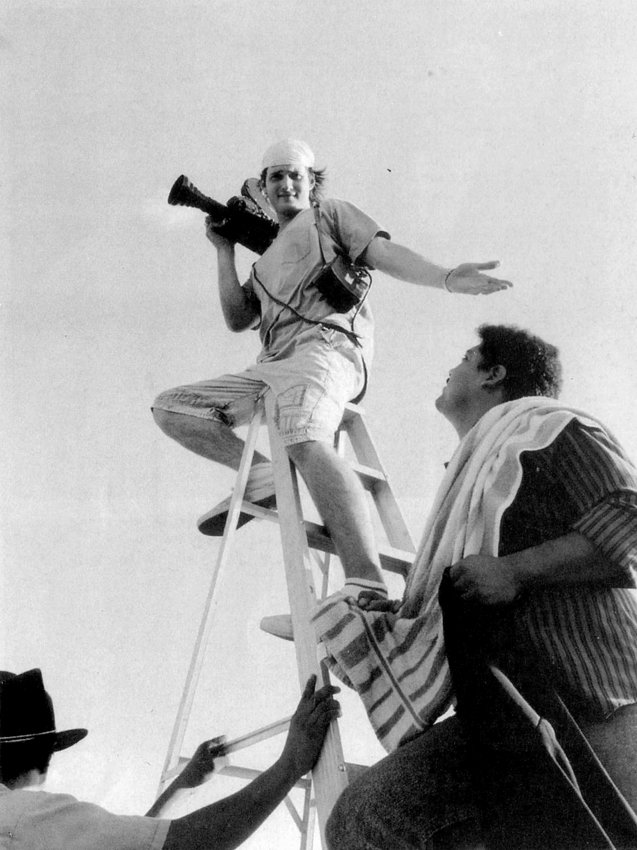
What truly made Rodriguez stand out wasn’t just his talent—it was his absolute self-reliance. He became famous for tackling multiple major roles himself, serving as director, editor, cinematographer, composer, and producer. He didn’t wear all these hats because it was glamorous, but simply because it was practical.
That exact mentality would later define his massive studio-scale hits like Desperado, From Dusk Till Dawn, and Sin City. No matter how big his budgets grew, Rodriguez never lost the scrappy, hands-on instinct of an independent filmmaker
The Book That Inspired a Generation
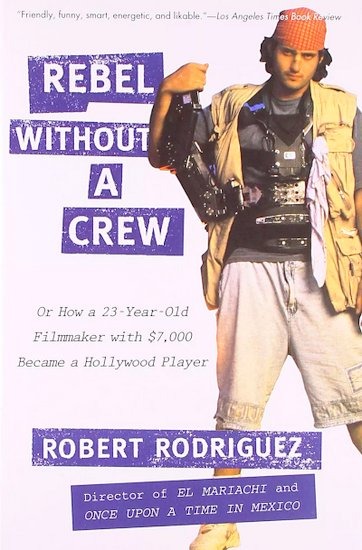
Rodriguez later documented his entire chaotic process in his book, Rebel Without a Crew. For generations of aspiring creators, this text became far more than a standard Hollywood memoir—it became definitive proof. It proved that filmmaking was entirely possible outside of the traditional studio systems, that waiting for permission from industry gatekeepers was completely optional, and that true creativity often grows strongest when placed under intense pressure
What Independent Filmmakers Should Learn From Robert Rodriguez
Rodriguez’s story directly challenges one of the biggest excuses in modern filmmaking: “I can’t start until I have enough.” We constantly tell ourselves we need enough money, enough gear, or enough support before we can take action. But El Mariachi proves something incredibly powerful: you can begin with almost nothing if you are willing to become deeply resourceful. Because ultimately, Rodriguez didn’t win his career through a massive budget—he won it through sheer, unstoppable momentum.
Final Thought
Rodriguez didn’t enter Hollywood through the front door—he built his own entrance. With borrowed equipment, improvised solutions, and relentless determination, he turned a tiny independent film into a historic career that permanently reshaped what filmmakers believed was possible.
Decades later, El Mariachi still carries that exact same timeless lesson: don’t wait for ideal conditions. Create with what you have, and then move.
Thanks for spending some time with us!
POPULAR